 Coffee Gear Picks

How to Dial In Niche Zero Espresso (2026)
Dial in your Niche Zero by weighing the coffee and the drink, then making small grind changes. Taste wins over dial numbers.
Your Niche Zero dial-in routine
Measure first, then follow the flavour
Step 1 Prepare
- Warm machine
- Dry basket
Step 2 Establish a baseline
- Choose dose
- Start near 15
Step 3 Pull
- Weigh beverage
- Record time
Step 4 Taste
- Stir espresso
- Note flavour
Step 5 Adjust
- Change grind only
- Pull again
Step 6 Lock in
- Repeat good shot
- Save recipe
Result
A recipe you can repeat, not a magic dial number
How do you start dialing in a Niche Zero?
Start with a basket-appropriate 16–18g dose, roughly twice that weight in espresso, and a dial setting near 15. Lower numbers are finer; higher numbers are coarser. Weigh both input and output, time the shot, and taste before changing one thing. These are starting points, not universal recipes.
What should you have ready?
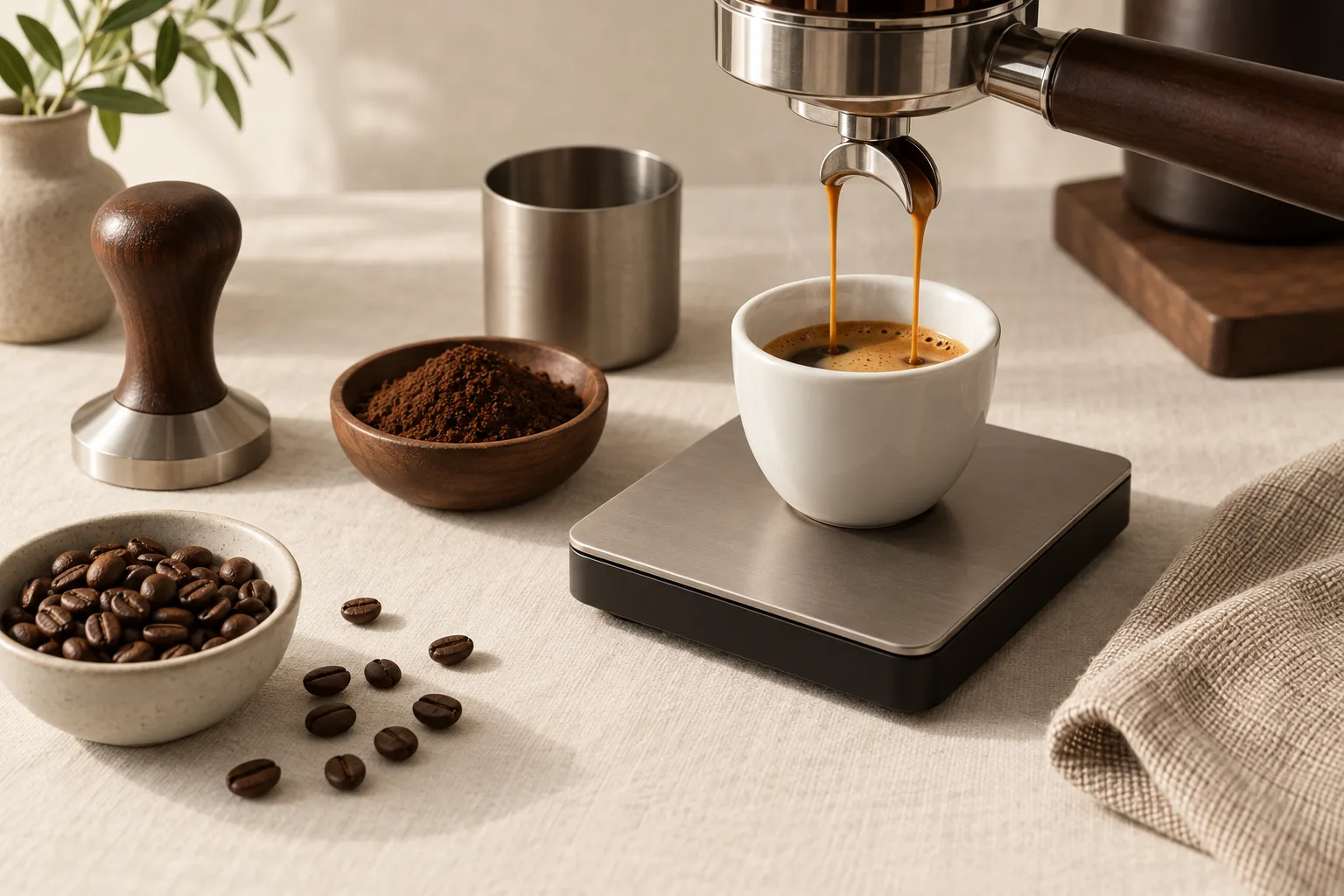
Have a warmed espresso machine, a dry basket, beans, a gram scale, a timer, and a tamper ready. You need the scale beneath your cup as well as for dosing. Keep the same coffee and basket while learning, so each adjustment gives you a useful comparison.
- Basket: choose a dose within its recommended capacity.
- Notes: record beans, dose, yield, time, and dial number.
- Machine: follow its warm-up and brewing instructions.
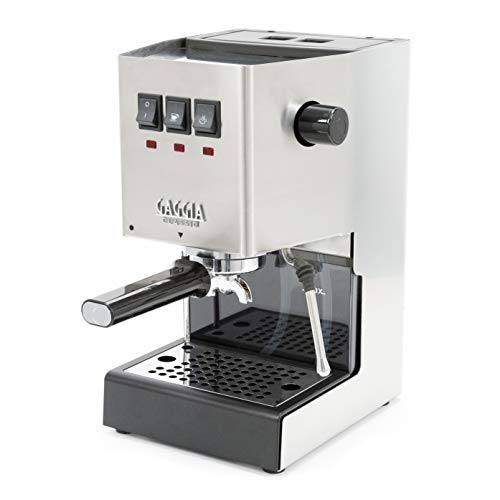
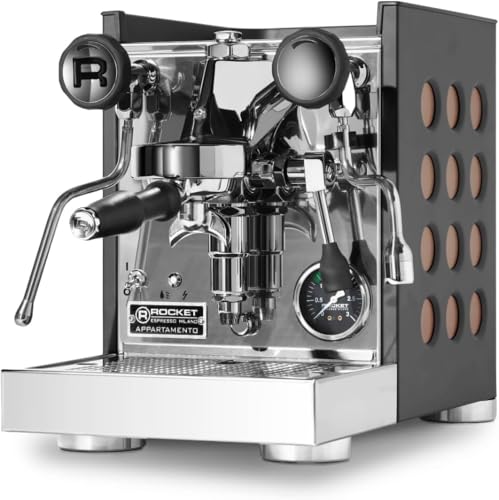
Still choosing? Best Espresso Machine for Niche Zero (2026) compares compact, dual-boiler, heat-exchanger, and manual machines researched for this pairing. The machine cards here are context, not required upgrades.
The Silvia Pro X Amazon listing specifies a stainless steel exterior, 16.5 x 10 x 15.2-inch dimensions, a 1-liter steam boiler, and a 300ml brew boiler. Weight is not listed in the verified specifications.
Our Top Picks




What is the first-shot workflow?
Prepare the machine, choose a fixed dose and yield, pull a measured shot, then taste and adjust. Keep temperature and how you load and tamp the grounds unchanged between attempts. Roast level, bean age, basket, dose, machine temperature, and grinder calibration can all shift the useful dial setting.
1. Prepare the machine
Warm it as the manual directs, including the portafilter. Dry the basket. For a faster morning routine, Best Espresso Machine Quick Picks (2026) offers a broader speed-focused shortlist.
2. Establish a starting recipe
Choose 16–18g if your basket suits it, then start near 15. Niche Coffee’s “How to dial in your Niche Zero for best results” gives the 10–20 espresso reference range and 16–18g dose guidance.
3. Pull a measured shot
Weigh the grounds entering the basket, spread them evenly, and tamp level. Tare the cup on your scale. Niche Coffee’s espresso guide uses the common 2:1 example: 18g in, 36g out. Time from pump start; roughly 25–30 seconds is an initial check, not a pass mark.
4. Taste before adjusting
Stir and let the espresso cool slightly. Look for sweetness rather than sharp lemon-like sourness or a dry, burnt finish. Record the taste beside the shot time; a pretty stream alone cannot tell you whether it tastes good.
5. Make one small change
Move the dial a small amount, such as half a number, using Niche’s adjustment instructions. Keep dose and yield fixed. Use the symptom fixes below, then taste again before another change.
6. Save a repeatable recipe
Repeat a tasty shot and save your notes. A timer and adjustable temperature control make feedback easier; Best Espresso Machine Digital Picks (2026) covers digital controls and guided repeatability.
Which shortcuts should you avoid?
Avoid judging by crema, copying someone else’s dial number, or treating an automatic shot button as a scale. Each shortcut hides information you need. Niche Coffee’s dial-in guide treats grind as only part of the recipe; use measured results rather than chasing the same number as another brewer.
- Crema-only judgment: taste the stirred drink.
- Copied settings: use them as references, not targets.
- Button-only dosing: stop by beverage weight.
How do you fix a shot that tastes wrong?
Match flavour with flow before choosing a fix. Fast and sour points toward finer grinding; slow and harsh points toward coarser grinding. These practical starting corrections follow Niche Coffee’s grind-and-extraction guidance. Extraction means how much flavour water takes from the grounds. Taste again after each change, not after several.
- Fast and sour: lower the dial number slightly.
- Slow or barely dripping: raise the number; stop a stalled shot.
- Sour with reasonable flow: try a longer yield, then check temperature separately.
- Bitter with reasonable flow: try a shorter yield, then check temperature separately.
- Both sour and bitter: check for unevenly loaded grounds before chasing the dial.
Frequently asked questions
What Niche Zero setting should I start with for espresso?
Start near 15 within Niche Coffee’s 10–20 espresso reference range. Treat it as a starting point, not a promise. Your beans and grinder calibration, meaning where the dial’s reference mark sits, can put a good shot outside that range.
How do I dial in espresso with Niche Zero?
Fix your dose, aim initially for twice that weight in espresso, and record the shot time. Observe the flow, then taste. Move finer for a fast, sour shot or coarser for a slow, harsh one, changing only the grind before pulling again.
How do I fix sour espresso from a Niche Zero?
Try a slightly finer grind first if the shot runs fast and tastes sharply sour. Keep dose and yield unchanged. If flow looks reasonable but sourness remains, try a longer yield, then check brew temperature separately. Do not change everything together.
How do I fix bitter espresso from a Niche Zero?
Try a coarser grind if the shot is slow and bitter, or shorten the yield if it runs normally. Bitterness can signal over-extraction, when water pulls too much flavour from the grounds. Check machine temperature separately; dark-roasted beans can also taste bitter.
Does Niche Zero grind size change with different beans?
Yes, expect to adjust when you switch beans. Roast, bean density, freshness, dose, and basket all change how water moves through the coffee. Calibration also shifts the dial reference. Save settings by coffee and recipe rather than treating one number as permanent.
Do I need to recalibrate my Niche Zero before dialing in espresso?
No, not before every session. Checking calibration is useful after cleaning and reassembly, or when the reference mark seems wrong. Follow Niche Coffee’s calibration instructions rather than forcing the adjustment ring. Calibration sets a reference; it does not make espresso settings universal.