 Coffee Gear Picks
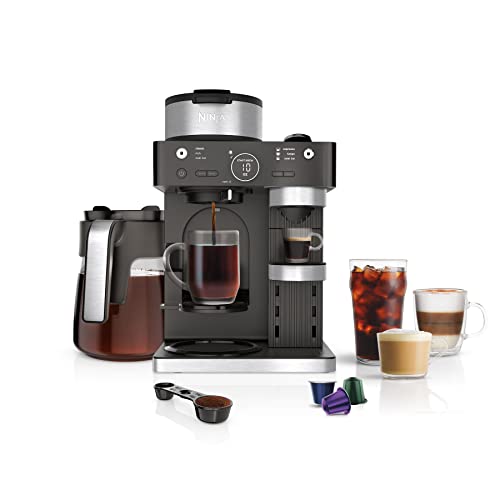
How to Use a Coffee and Espresso Maker Combo (2026)
Identify your machine’s coffee input before adding anything. This routine covers drip, espresso, milk, and cleanup without treating every combo like the same appliance.
Your combo-machine morning routine
Match the coffee input to the right brewing side
Step 1 Prepare
- Identify your brew path
- Fill water and rinse
Step 2 Brew
- Load the correct coffee input
- Choose your drink size
Step 3 Finish
- Froth milk if wanted
- Clean milk parts and empty waste
Result
A repeatable routine without mixing up grounds, capsules, or pods
How do you use a coffee and espresso combo?
Fill the correct water tank, complete the manual’s rinse cycle, and load only the coffee input that brew path accepts. Brew drip coffee through its filter or make espresso through the separate system. Froth milk afterward if wanted, then clean milk-contact parts and empty spent coffee.
What should you check before you start?
Check your model number and manual to find out whether espresso uses a portafilter, capsules, or whole beans. A portafilter is the handled coffee basket you lock into the machine. Concentrated pod coffee is a different drink, not automatically café-style espresso. The word “combo” alone tells you very little.
- Fresh water and the model’s first-use instructions.
- Compatible capsules, beans, or correctly ground coffee.
- The specified filter, cup or carafe, and milk pitcher if needed.
Before committing to a workflow, our Best Coffee Maker Espresso Machine Combos (2026) compares drip, capsule, pod, frother, and countertop options.
Our Top Picks
What order should you follow each morning?
Prepare water first, load the chosen brew side, and wait for its ready signal before brewing. Make coffee or espresso, then handle milk and cleanup. Treat this as a shared routine, not a universal button sequence: tank layout, warm-up time, and drink controls come from your own manual.
1. Set up and rinse
Place the machine on a level counter with the clearance its manual requires. Wash removable parts as directed, fill each required tank below MAX, and run the first-use water cycles without coffee. Use the De’Longhi COM532M instructions for that model’s separate brew paths and ready indicators.
2. Brew ground-coffee drip
Fit the specified paper or reusable filter, add the manual’s dose of medium-ground coffee, and seat the carafe. Select the size that matches your water and coffee amounts. Do not press the grounds flat. For CFN601 scoop quantities and size controls, follow the Ninja CFN601 quick-start guide.
3. Use your espresso path
Portafilter: Choose the right basket, add its recommended dose of fine grounds, level them, and tamp (press) as instructed. Lock the handle securely and brew once ready. KitchenAid’s espresso guide explains this sequence.
Capsules: Insert only the compatible type and select its supported drink size. CFN601 accepts Original-compatible capsules, not Vertuo capsules. Bean-to-cup: Add beans to the hopper and select a drink; the machine grinds and brews internally. Philips 3200 LatteGo follows this route, not a drip-carafe routine.
4. Froth milk
Check whether your frother heats milk. Ninja’s CFN601 guide says its whisk does not, so warm milk separately for hot drinks. For a steam wand, follow the manual’s purge and steaming sequence. KitchenAid recommends cold milk; leave pitcher space for foam rather than filling to the brim.
5. Clean after brewing
Clean milk-contact parts promptly using the model instructions. Stop brewing and follow the manual’s pressure-release guidance before removing a portafilter. Let hot parts cool before washing; empty grounds, used capsules, and the drip tray. Descale with the approved solution and full rinse sequence, not a guessed vinegar recipe.
Which mistakes are worth avoiding?
Avoid treating a pressure label as a taste score, assuming the carafe marks equal your mug size, or changing several coffee settings together. These shortcuts make the machine harder to understand. Keep a note of your coffee amount and drink size so you can repeat a cup you enjoy.
- Buying by bars: Grind and coffee preparation matter too, as KitchenAid’s guide explains.
- Oversized pours: Check the manual’s cup measure before filling your favorite mug.
- Random adjustments: Change one setting, taste, and write it down.
What should you do when a drink goes wrong?
Check water, coffee input, and the selected drink before changing settings. A machine that will not flow needs a different fix from one making thin coffee. Use its troubleshooting chart for warning lights or persistent faults. Stop using it if water leaks near electrical parts or it smells burnt.
- No flow: Check tank seating and ready status using your manual. Never force open a hot brew chamber.
- Weak drip: Check the coffee dose against the selected size.
- Sour, fast portafilter shot: KitchenAid suggests checking grind; try finer while keeping the dose unchanged.
- Cold foam: Confirm whether your frother heats milk before expecting hot foam.
Want a focused espresso routine? Best Espresso Machine Ninja Options (2026) covers dedicated alternatives. If beans plus K-Cup flexibility matter more than portafilter espresso, see Best Coffee Maker with Grinder and K-Cup Combo (2026).
Frequently asked questions
Can I use the same grounds for drip coffee and espresso?
Use different grind sizes for the two brew paths. Drip needs a medium grind; a portafilter espresso basket needs finer coffee. Start with the grind and dose in your manual rather than putting drip grounds into every basket.
Do I need to tamp coffee in a capsule combo?
No. Capsules arrive filled and sealed, so there is nothing to tamp. Only press loose grounds down when your portafilter instructions call for it; do not tamp grounds in a drip filter.
Does the Ninja CFN601 frother heat milk?
No. The Ninja CFN601 owner’s guide says its fold-away frother does not heat milk. For a hot latte, warm the milk separately before frothing it. Cold milk works for a cold drink.
Can I make coffee and espresso at the same time?
Only if your model explicitly allows it. De’Longhi lists simultaneous coffee and espresso brewing for the COM532M’s Dual Heating System. That feature does not transfer to every combo; check your own manual before starting two brew paths together.