 Coffee Gear Picks
Best Coffee Grinder for Pour Over (2026)
The best coffee grinder for pour over should make your morning cups cleaner, sweeter, and easier to repeat. We compared seven researched options based on grind consistency, fines control, retention, static behavior, and day-to-day workflow fit for V60, Kalita, and Chemex brewers.
7 Pour-Over Grinders Worth Buying in 2026
Ranked by clarity potential, fines control, and daily workflow fit
Budget
Best value for everyday brewing
- Conical burr consistency
- Timer-based dosing
- Easy daily cleanup
- Under $100 entry
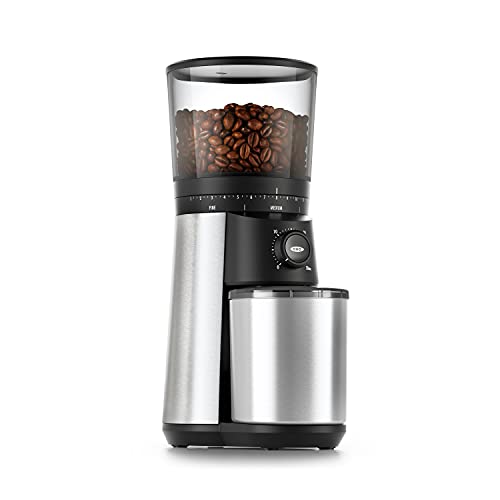
Top Pick OXO Brew Conical Burr Grinder
$
Simple daily workflow
Check Price on Amazon Overall
Best clarity for pour over
- Flat burr separation
- Low retention design
- Single-dose friendly
- V60 and Chemex optimized
Top Pick Fellow Ode Gen 2
$$$
Top pour-over clarity
Check Price on Amazon Manual
Best hand-ground precision
- Steel conical burrs
- Zero motor noise
- Travel-ready size
- Strong clarity per dollar
Top Pick 1Zpresso K-Ultra
$$$
Premium manual pick
Check Price on Amazon Crossover
Best value for filter + espresso
- Broad grind range
- Strong parts support
- Predictable adjustment
- Long-term value
Top Pick Baratza Encore ESP
$$
Versatile daily grinder
Check Price on AmazonQuick answer: Fellow Ode Gen 2 is the best coffee grinder for pour over in 2026 for most clarity-focused brewers, while Baratza Encore ESP is the best value crossover pick if you also want occasional espresso flexibility. If you prefer manual grinding, 1Zpresso K-Ultra is the strongest premium hand-grinder option for consistent filter cups.
Quick picks
Our Top Picks

Comparison table
| Product | Best For | Burr Type | Workflow | Price Band | |
|---|---|---|---|---|---|
| Fellow Ode Gen 2 | Top pour-over clarity | Flat burr | Electric single-dose | Check price | Check Price |
| Baratza Encore ESP | Pour over plus occasional espresso | Conical burr | Electric stepped | Check price | Check Price |
| OXO Brew Conical Burr Grinder | Beginner-friendly daily use | Conical burr | Electric timer dosing | Check price | Check Price |
| 1Zpresso K-Ultra | Portable manual precision | Conical burr | Manual hand grinding | Check price | Check Price |
| TIMEMORE Chestnut C2 | Entry-level manual upgrades | Conical burr | Manual hand grinding | Check price | Check Price |
| KINGrinder K6 | Frequent recipe adjustments | Conical burr | Manual click precision | Check price | Check Price |
How we evaluate pour-over grinders
We scored each grinder with a pour-over-first framework and reviewed specs from product listings plus manufacturer references where needed. Instead of chasing one universal winner, we compared where each model performs best for different coffee routines.
Our comparison focuses on five practical criteria: clarity potential, fines control, workflow friction, range flexibility, and value. We especially care about whether a grinder helps you make cleaner cups with fewer repeatability surprises in normal weekday use.
- Clarity potential: How clean and separated flavors can taste at typical V60, Kalita, and Chemex settings.
- Fines control: Likelihood of muddy cups, stalled drawdowns, and bitter edge from excessive micro-particles.
- Workflow friction: Retention, static mess, grind speed, and how repeatable a setting is during busy mornings.
- Range flexibility: Whether the grinder can reasonably support multiple brew styles beyond one narrow setting zone.
- Value: What performance you actually gain per dollar versus simpler alternatives.
The recommendations here are based on researched feature comparison, the burr and grind-range specs on each listing, and practical fit for common pour-over use cases.
Detailed product reviews
1) Fellow Ode Gen 2 — Best Overall for pour-over clarity
Best for: Home brewers who prioritize clean, separated cups and low-retention single-dosing.
Ode Gen 2 earns the top slot because it consistently matches what most pour-over buyers actually want: a cleaner cup with less dialing drama. If your main brewing methods are V60 and flat-bottom drippers, this grinder is easier to justify than mixed-use espresso crossovers. The trade-off is cost, but if cup clarity matters more than having one tool for every brew style, Ode Gen 2 is usually the better long-term fit.
Pros
- ✓ Flat burr profile is strong for flavor separation in light to medium roasts.
- ✓ Low retention helps with recipe switching between coffees.
- ✓ Simple electric workflow keeps weekday brewing fast and repeatable.
Cons
- ✗ More expensive than entry-level conical alternatives.
- ✗ Filter-focused range is not ideal for dedicated espresso dialing.
Check Fellow Ode Gen 2 Price on Amazon
2) Baratza Encore ESP — Best value crossover for pour over + espresso
Best for: Buyers who want one grinder for filter coffee now and occasional espresso later.
Encore ESP is the safe recommendation for people who do not want to buy twice. It gives better flexibility than most similarly priced models and handles pour-over reliably with less complexity than many enthusiast grinders. If you value convenience, supportability, and multi-style use more than squeezing maximum clarity from every cup, this is the strongest mid-budget pick.
Pros
- ✓ Strong all-around value with broad grind range coverage.
- ✓ Easier parts ecosystem and support than many budget competitors.
- ✓ Practical step structure for beginners learning brew adjustments.
Cons
- ✗ Not as clarity-focused as dedicated flat-burr filter grinders.
- ✗ Some retention/static management is still needed in dry conditions.
Check Baratza Encore ESP Price on Amazon
3) OXO Brew Conical Burr Grinder — Best for easy everyday workflow
Best for: Busy households that want quick, predictable operation with minimal learning curve.
OXO Brew is about reducing friction. It is not the most technical grinder in this lineup, but it gets consistent enough grind for better pour-over than blade alternatives and older false-burr models. If your goal is a reliable daily grinder without enthusiast complexity, this remains a practical budget-electric choice.
Pros
- ✓ Very approachable for first-time burr grinder buyers.
- ✓ Timer-based operation is simple for repeatable weekday brewing.
- ✓ Good value for medium to coarse pour-over ranges.
Cons
- ✗ Cup clarity is not as high as premium options.
- ✗ Static and fines can increase in low-humidity kitchens.
Check OXO Brew Conical Burr Grinder Price on Amazon
4) 1Zpresso K-Ultra — Best premium manual grinder for pour over

Best for: Manual brewers who want near-premium grind quality with travel-friendly portability.
K-Ultra is the strongest manual option here for buyers who care about cup quality per dollar and do not mind hand grinding. It gives strong clarity while keeping workflow compact and quiet. If your normal routine is one to two cups at a time and you prefer low counter footprint, this is an easy recommendation.
Pros
- ✓ Excellent grind uniformity for a manual format.
- ✓ Low retention and tidy grounds path help consistency.
- ✓ Portable design is ideal for travel, office, or minimalist setups.
Cons
- ✗ Manual effort is real if you brew multiple doses each morning.
- ✗ Premium manual pricing can overlap entry electric options.
Check 1Zpresso K-Ultra Price on Amazon
5) TIMEMORE Chestnut C2 — Best budget manual under $100

Best for: New pour-over brewers upgrading from blade grinders at a strict budget.
Chestnut C2 is still a strong starter recommendation because it upgrades cup consistency without forcing a big budget jump. It is not a perfect grinder, but it is usually enough to make immediate improvements in pour-over repeatability, especially if you are moving from pre-ground coffee or blade grinding.
Pros
- ✓ One of the most accessible entry points into real burr grinding.
- ✓ Simple adjustment approach for beginners learning recipes.
- ✓ Compact, durable design for small spaces and travel.
Cons
- ✗ More fines than higher-tier manual and electric grinders.
- ✗ Slower grind speed can feel tiring for larger brews.
Check TIMEMORE Chestnut C2 Price on Amazon
6) KINGrinder K6 — Best manual upgrade for recipe tinkerers

Best for: Enthusiasts who frequently adjust recipes and want finer click control in a manual grinder.
KINGrinder K6 closes much of the gap between budget manual grinders and far more expensive options. For brewers who enjoy experimenting with ratio, pour style, and grind changes across different drippers, this model gives a lot of control without crossing into premium-electric pricing.
Pros
- ✓ Excellent consistency for the price segment.
- ✓ Strong click precision for repeatable recipe tuning.
- ✓ Very low retention and clean dosing behavior.
Cons
- ✗ Heavier than many compact travel hand grinders.
- ✗ Manual operation is less convenient for high-volume routines.
Check KINGrinder K6 Price on Amazon
Dial-in workflow for cleaner pour-over cups
Even an excellent grinder needs the right dial-in routine. Most bad grinder complaints in pour over come from unstable workflow: old beans, random dose sizes, inconsistent pouring, or changing multiple variables at once. If you want faster consistency, keep your workflow boring and systematic.
Pour-Over Dial-In Rhythm
Use a repeatable 3-step cadence so grinder changes actually make sense
Step 1 Baseline
- Pick one coffee and dripper
- Fix dose and brew ratio
- Brew three cups unchanged
Step 2 Adjust
- Change one click at a time
- Log drawdown and flavor note
- Avoid multi-variable changes
Step 3 Maintain
- Brush burr chamber weekly
- Deep-clean monthly
- Keep separate settings by roast
Result
Cleaner cups, fewer random drawdowns, and faster recipe confidence
Use one baseline recipe before comparing grinders
Start with a simple recipe and keep it fixed for at least three brews: one coffee, one dripper, one filter type, one water profile, one brew ratio. For example, use 20 g coffee to 320 g water and a total brew time target around 2:45 to 3:15 for a medium roast. Once that is stable, compare grinders or settings. If you change coffee, temperature, and grind at the same time, you cannot tell what caused the result.
If you are still dialing in brew ratios, bookmark our coffee brewing ratio guide. It is easier to diagnose grinder settings when your ratio and dose are already predictable.
How to adjust grind size without chasing your tail
Use one-direction adjustments with small steps. If coffee tastes sour, thin, and underdeveloped, move one click finer and brew again. If it tastes bitter, drying, and heavy with slow drawdown, move one click coarser. Resist the urge to jump five clicks based on one cup. Small changes reveal pattern; huge changes hide it.
A practical trick is to log only three things for each brew: grind setting, total drawdown time, and one flavor note. After five brews, patterns become obvious. You do not need a complex spreadsheet. A phone note is enough. This habit matters more than having a grinder with 200 settings.
Reduce fines and sludge with process, not just hardware
Better grinders reduce fines, but process still matters. If cups are muddy, first check your pour technique and agitation. Aggressive swirling, long bloom stirring, and high turbulence can push extra fines into the filter bed and stall flow. Use gentler pours and keep agitation consistent.
Second, clean your grinder burr chamber regularly. Old residue breaks off as micro-particles and can mimic poor grinder performance. A quick brush every few brews and monthly deep clean often fixes random bitterness issues that people blame on beans.
Third, be realistic with roast level. Very dark coffee can produce more sediment feel and bitterness at settings that work well for light-to-medium roasts. If you switch roast profiles often, expect to keep separate baseline settings.
Who should skip this guide
Skip this roundup if you only drink pre-ground coffee and do not plan to adjust grind size, because these recommendations are for people brewing whole beans and tuning recipes. Also skip if your primary goal is espresso-only dialing. In that case, you will get better results from a dedicated espresso-focused grinder guide instead of a pour-over-first list.
If your setup is mostly automatic drip with no intent to change brew variables, your money may go further by upgrading filters and water quality first. This guide is for readers who want to improve cup clarity and repeatability by choosing a better grinder and using it intentionally.
Electric vs manual: choose for your real morning constraints
Manual grinders are excellent if you brew one cup and enjoy a slower routine. They also travel better and often deliver strong grind quality per dollar. But if you brew for two people before work, manual effort can become the bottleneck that pushes you toward rushed technique and inconsistent cups.
Electric grinders are less romantic but easier to repeat. If consistency is your top priority, workflow simplicity usually beats theoretical burr advantages. A slightly less perfect burr set with stable daily routine often produces better coffee than a premium grinder used inconsistently.
When to upgrade from your current grinder
If your current grinder gives acceptable flavor and predictable drawdowns, you may gain more by improving water, filters, or pouring consistency first. Upgrade when you repeatedly hit these issues despite good process:
- Drawdown times swing wildly with the same recipe.
- Cups taste astringent and muddy even after coarsening.
- Retention and static cleanup add enough friction that you skip fresh grinding.
- You need one grinder to support multiple methods and your current model cannot keep up.
If your main target is high clarity for V60, moving to a stronger filter-focused grinder can be a meaningful jump. If your goal is flexibility across espresso and filter, a crossover grinder may be the smarter upgrade path.
Flat burr vs conical burr for pour over
For pour over, the flat-versus-conical debate is less about right and wrong and more about flavor shape plus workflow preference. Flat burr grinders often produce cups that feel cleaner and more separated, where citrus, floral, and tea-like notes are easier to identify. Conical burr grinders often emphasize sweetness, heavier body, and a rounder profile that can feel forgiving with medium and darker roasts. Neither profile is universally better. It depends on what you enjoy in the cup and how much adjustment effort you want to put in each week.
If you mainly brew light roasts and want to highlight clarity in V60-style brews, a strong flat burr option like Ode Gen 2 usually feels rewarding.Manual conical grinders can also deliver excellent cup quality with very low retention, especially if you only brew one or two cups at a time.
In practice, your process consistency will influence results as much as burr shape. Stable dose, predictable pouring, and regular cleaning can make a conical grinder outperform a poorly managed flat burr setup. If you are deciding between the two, choose the grinder that supports your routine. A grinder you use consistently will produce better coffee than a grinder with perfect specs that you avoid because workflow feels annoying.
Frequently asked questions
What grind size is best for pour over coffee?
For most V60 recipes, start around medium-fine. For Kalita and Chemex, start a bit coarser. If drawdown stalls and tastes bitter, go coarser. If it runs too fast and tastes sour, go finer one click at a time.
Are flat burr grinders always better for pour over?
Not always. Flat burr models often emphasize flavor separation and clarity, while conical burr models often lean toward body and sweetness. Your best choice depends on flavor preference, workflow, and budget.
Do I need an electric grinder for pour over?
No. A quality manual grinder can make excellent pour over coffee. Electric models are usually better for speed, consistency over multiple doses, and convenience when you brew daily for more than one person.
How often should I clean a pour-over grinder?
Brush loose grounds every few brews and deep-clean monthly. Regular cleaning helps reduce stale flavor carryover, keeps grind output more consistent, and lowers fines buildup that can muddy cups.
Can one grinder cover pour over and espresso?
Some can, but there are trade-offs. Crossover grinders like Encore ESP or can handle both styles. Dedicated filter grinders usually optimize pour-over clarity, while espresso-focused grinders prioritize fine-range control.