 Coffee Gear Picks
Why Is My Espresso Machine Not Building Pressure? (2026)
A fast, weak shot often means water is slipping through the coffee puck too easily. No pressure during a compatible blind-basket test is different: check water delivery, cleaning, valves, seals, the pump, or the gauge, and let your exact manual set the rules.
Find the Cause of Low Espresso Pressure
Four checks that separate a fussy coffee puck from a machine fault
Step 1 Check flow
- Seat and fill reservoir
- Run water from group head
Step 2 Test without coffee
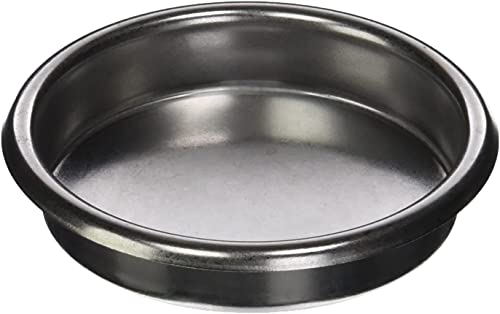
- Use a compatible blind basket
- Follow manual procedure
Step 3 Clean and retest
- Clean coffee oils
- Descale only if advised
Step 4 Escalate safely
- Compare flow and gauge
- Book service if test fails
Result
A clear next move, whether you need a grinder adjustment, cleaning cycle, or professional repair
Quick answer
First, separate a coffee problem from a machine problem. If water gushes through coffee but the machine builds pressure with a compatible blind basket, adjust the grind, dose, distribution, basket, or seal. If it cannot build pressure with that test, work through water flow and cleaning before booking service.
- Price band: $$
- Weight: 566 g / 20 oz
- Materials/form: powder, intended for metal surfaces
- Key feature: backflush cleaning; the Amazon listing also identifies it as NSF certified and OMRI listed
Cafiza removes coffee residue and oils. It is not a descaler, and it cannot revive a failed pump or repair a leaking seal.
What you'll need
You only need a few basics to narrow this down safely. Do not remove a panel or work around mains-voltage parts.
- Your exact machine manual for its basket size, cleaning cycle, priming, and descale instructions
- A compatible blind basket or backflush insert, plus a group-head brush
- Machine-approved cleaner and, only when the manual calls for it, descaler
- Fresh coffee and a way to keep dose consistent while changing the grind
Need the right small tools? See our espresso accessories that make diagnosis easier for compatible blind-basket and brush options.
Our Top Picks



Step-by-step pressure checks
Work from the easy, visible checks toward service. Turn the machine off, unplug it, and let it cool before removing a basket, shower screen, or any part the manual permits you to remove.
Step 1: Check the water path with no coffee
Fill and firmly reseat the reservoir, then run water through the group head as your manual directs. No water, sputtering, or a hollow pump sound can be consistent with an empty reservoir pickup, an air lock, a blocked inlet, or a pump that needs priming.
Follow your manufacturer’s priming steps exactly. For example, De'Longhi's pump-priming FAQ tells owners to use the model instructions, not a one-size-fits-all trick.
Step 2: Pull one controlled coffee shot
If water flows normally, use the same dose and basket, then grind finer in a small step. A coarse grind leaves larger gaps in the puck, which lets water race through. Under-dosing, uneven distribution, channeling, or a worn portafilter seal can create the same fast, thin result.
Also inspect the basket and rim for bent edges, blocked holes, and trapped grounds. Look for water escaping around the portafilter while brewing, too: that points to a dirty, damaged, or poorly seated group seal rather than a grind adjustment. A mismatch between basket and portafilter can also prevent a proper seal.
Step 3: Run the compatible blind-basket test
Fit only the blind basket or insert approved for your machine, then run the manual's short test. Clive Coffee's espresso troubleshooting guide explains why this is useful: it removes the coffee puck from the equation. Do not treat one gauge number as universal; gauge scales and programmed limits differ by machine.
Pressure here but not with coffee makes preparation or the basket the likelier culprit. No pressure here shifts attention to a restriction, bypass path such as the OPV, solenoid, seal, pump, or gauge.
Step 4: Clean the right thing, then retest
Use a manual-approved backflush cycle to clear coffee oils from the group head and valve route. Urnex's Cafiza backflush instructions are useful product guidance, but your machine manual wins if the two differ. Browse our espresso machine cleaner picks if you need an approved cleaning product.
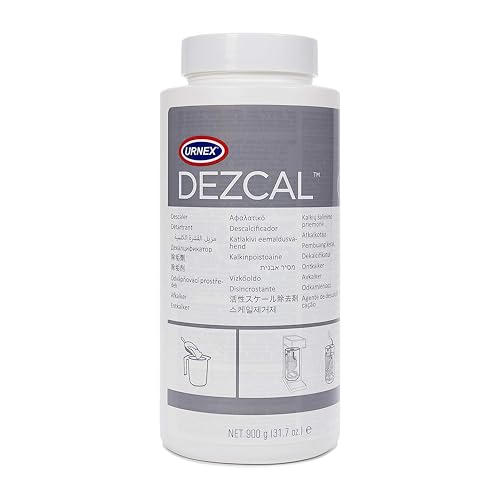
Descaling is for mineral buildup, not brown coffee oils. If hard water or restricted flow points to scale, use the maker's procedure and then consult our espresso machine descaler guide. Breville's official descale tutorial is a clear example of this separate job.
Common mistakes
Most dead ends come from changing several things at once or asking the gauge to tell the whole story. Keep the check simple and repeatable.
- Blaming the pump first: A coarse or uneven puck can mimic a pressure fault. Run the compatible blind-basket test before assuming a costly repair.
- Using cleaner as descaler: Coffee oils and mineral scale need different products and cycles. Read the label and follow the manual.
- Chasing a single bar number: Watch water flow and the manual-approved test along with the needle. Your machine may not be designed to display another model's reading.
- Opening the case: Stop at user-serviceable parts. Electrical faults, internal leaks, and pump work belong with a qualified technician.
Match the symptom to the likely fix
The fastest clue is what the water does, not just what the gauge says. Match your symptom below, then change one thing and retest.
No water from the group head
Check reservoir seating, water level, filter fit, and the manual's priming method first. If priming fails or flow stays absent after the approved cleaning or descale procedure, a blocked inlet, solenoid, or pump needs service.
Water runs fast with coffee
Grind finer, keep the dose steady, distribute grounds evenly, and check the basket and portafilter seal. If the blind basket builds pressure normally, this is strongly consistent with coffee preparation rather than the machine.
Gauge moves but flow is strange
Do not diagnose from the needle alone. Compare actual water flow with the manual, then use its approved cleaning and pressure checks. A gauge can be misleading when a valve is sticking, a line is restricted, or the gauge itself is faulty.

Frequently asked questions
Why is my espresso machine not building pressure with coffee?
Coffee can be the reason. A grind that is too coarse, too little coffee, channeling, a blocked basket, or a poor seal lets water pass too easily. If pressure also fails with a compatible blind basket, look beyond coffee preparation and investigate the machine side.
Why does my espresso machine build pressure with a blind basket but not with coffee?
This usually points to the coffee puck rather than the pump. A blind-basket result makes the pressure path more likely to be working, so focus on grind, dose, distribution, basket fit, and puck resistance. Clive Coffee uses this same machine-versus-grinder distinction in its troubleshooting guidance.
Can a clogged filter basket cause low espresso pressure?
Yes, a clogged basket can change pressure and flow. Severe blockage more often brings little flow or no brew, while a fast low-pressure shot usually means water is bypassing weak puck resistance. Clean and inspect every hole using your machine manual before pulling another shot.
How do I know if my espresso machine pump is bad?
A pump is more suspect when water supply, priming, cleaning, and a compatible blind-basket test all fail. Strange noise or no water delivery adds to the case. Do not open the machine or touch electrical parts; arrange professional service instead.
Does descaling fix an espresso machine with no pressure?
Descaling can help if mineral scale is restricting water flow, but it cannot repair a worn pump, failed valve, damaged seal, or faulty gauge. Use the maker-approved descaling product and procedure. Breville’s official guidance treats descaling as a separate maintenance job from cleaning coffee oils.
Why is my espresso machine pressure gauge not moving?
A still gauge can mean no pressure, a bad gauge, or a machine-specific gauge design. Compare the needle with actual water flow and a manual-approved test rather than trusting it alone. Your manual explains when that particular gauge should respond and what its markings mean.