 Coffee Gear Picks
Best French Press Method (2026): Ratio, Grind & Steps
The best French press method is simple: use a 1:15 coffee-to-water ratio, grind coarse, pour 200–205°F water, steep for four minutes, then let the grounds settle before a gentle plunge and immediate decant. It keeps the full body French press is known for while avoiding a gritty final sip.
French Press in Seven Simple Moves
A repeatable 1:15 recipe for a rich cup without a mouthful of grit
- Weigh coffee and water
- Grind coarse like sea salt
- Add 200–205°F water
- Steep for 4 minutes
- Stir the crust gently
- Let fines sink
- Lower the screen slowly
- Pour right away
A full-bodied, sweet French press cup with far less sludge at the bottom
What is the best French press method?
Use 30g of coarse coffee for 450g of water, steep for four minutes, break the crust, wait for the grounds to settle, then press slowly. Stumptown Coffee Roasters’ French press guide likewise uses a four-minute steep as its classic starting point.
What French press gear do you need?
You need a press, fresh beans, a way to grind them coarse, hot water, and a timer. A scale is the one small upgrade that makes a good recipe repeatable.
- Brewer: Bodum’s 34oz Chambord suits a regular two-to-four-cup batch; the 12oz version makes more sense for one person.
- Grinder: the Baratza Encore uses burrs to produce a more even coarse grind than a blade grinder.
- Scale: the Maestri House S3 reads to 0.1g and includes a timer, which makes the ratio easy to repeat.
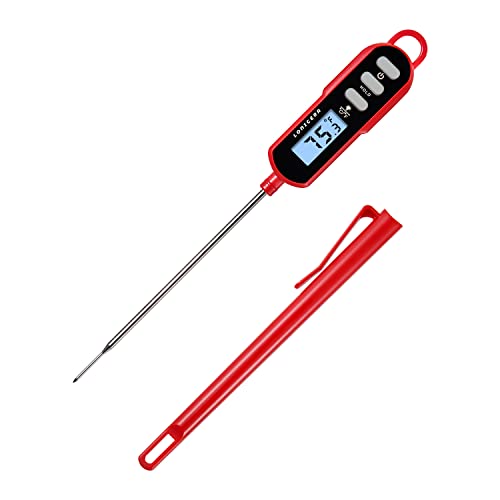
- Heat: use the Greater Goods gooseneck kettle for set temperatures, or a LONICERA instant-read thermometer with an ordinary kettle.
Our Top Picks


What's the best coffee-to-water ratio for a French press?
Start at 1:15: one gram of coffee for every 15g of water. That is 30g coffee to 450g water for two mugs, or about 67g to 1L for a full press; Stumptown’s guide uses this classic starting range.
Want something thicker and more intense? Try 1:12 before making the grind finer. Use our coffee scale recommendations to find a 0.1g scale; scoops are fine for camping, not for dialing in a recipe.
What grind size and water temperature does a French press need?
Use a coarse grind that looks like flaky sea salt or rough breadcrumbs, plus water at 200–205°F. Serious Eats’ coffee guide explains why a coarse bed helps limit the fines that can pass through a metal filter.
Stumptown calls for water just off the boil. A temperature-controlled gooseneck kettle makes 205°F easy to repeat, and our best French press grinder picks can help if your current grinder produces too much powder.
How do you brew French press coffee step by step?
Heat water, weigh and grind, pour, steep, break the crust, settle, then plunge and serve. The slow finish is what keeps settled grit from swirling back into the cup.
1. Heat and measure
Heat more water than you need to 200–205°F. Weigh 30g of beans and 450g of water for a reliable two-mug recipe, following the ratio used in Stumptown’s method.
2. Grind coarse
Grind the beans just before brewing, aiming for sea-salt-size pieces rather than powder. If your grinder produces a dusty dose alongside big chunks, start with our best French press grinder picks; a more even grind makes this recipe easier to repeat.
3. Add grounds and pour
Put the grounds in the empty press, start your timer, and pour all the water so every bit gets wet. Give the brew one gentle stir with a spoon, then set the lid on top without plunging.
4. Steep for four minutes
Leave it alone for four minutes. That is the classic benchmark in Stumptown’s French press recipe; change it only after you have tasted the basic cup.
5. Break the crust and settle
After four minutes, gently stir the floating raft of grounds so it sinks. Skim away the foam if you prefer a cleaner surface, then wait another five minutes for the tiny particles to drop.
6. Plunge slowly and pour right away
Lower the plunger with barely any pressure until the screen reaches the coffee. Pour every cup into mugs or a thermal carafe right away; leaving brewed coffee on the grounds can make later cups taste more bitter and woody.
What is the James Hoffmann French press method?
James Hoffmann’s version puts clarity ahead of speed: brew roughly 30g coffee with 500ml water for four minutes, stir and skim the crust, then wait at least five more minutes before serving. In his “The Ultimate French Press Technique” video, he lowers the plunger gently rather than using it to squeeze the grounds.
Choose it when sediment bothers you more than the extra waiting time. It produces a cleaner-feeling cup, but it is not the fastest weekday approach.
What French press mistakes should you avoid?
Most disappointing French press cups come from a few fixable moves. Keep the recipe steady and change one variable at a time.
- Grinding too fine: powder slips through the filter and tastes harsh. Go coarser before shortening the steep.
- Using very hot water on dark beans: it can make roast bitterness feel like burnt toast. Start near 200°F.
- Forcing the plunger: this stirs settled fines back up. Let the screen fall slowly.
- Leaving coffee in the press: the grounds keep extracting and the second cup gets rough. Decant it.
- Eyeballing the dose: a small scoop change can swing the cup from thin to heavy. Weigh it.
Why is your French press coffee bitter or sludgy?
Bitter coffee usually needs a coarser grind, slightly cooler water, or a faster decant; sludgy coffee usually needs fewer fines and a gentler plunge. Start with the symptom you can taste or see, then make one change.
Bitter, dry, or burnt-tasting
Lower the water to about 200°F, grind a touch coarser, and pour the brew out as soon as it is ready. If it still tastes bitter, the beans may simply be roasted dark; a 1:15 ratio will taste calmer than a stronger 1:12 mix.
Sludgy or sandy at the bottom
Coarsen the grind, break the crust softly, and give the grounds time to settle before you plunge. A consistent burr grinder is the biggest fix here, so compare our best French press grinder picks if your current grinder sprays powder into the dose.
Weak or watery
Do not automatically steep longer. Increase the coffee dose to a 1:12 ratio first, keep the four-minute window recommended by Stumptown, and taste again.

Frequently asked questions
What is the best French press coffee ratio?
Start at 1:15: 30g of coffee to 450g of water, or about 67g to 1L for a larger batch. Stumptown Coffee Roasters uses this neighborhood in its French press guide. Move to 1:12 if you want a heavier, punchier cup, but keep the grind and steep time steady first.
How long should French press coffee steep?
Four minutes is the dependable starting point for the classic method. Stumptown Coffee Roasters specifies a four-minute brew, while James Hoffmann’s technique adds a settling wait after that steep. The extra wait clears the cup; it is not an invitation to force the plunger down.
Should I plunge a French press all the way down?
Lower the plunger until the screen just meets the coffee, using almost no force. A hard plunge stirs up the fine particles that have settled and can leave the last sip sandy. Pour the coffee out immediately rather than holding it in the press.
Why is my French press coffee muddy?
A muddy cup usually means grounds were too fine or the plunge was too aggressive. Grind coarser, let the coffee settle after breaking the crust, and lower the screen slowly. A burr grinder helps because it produces a more even dose than a blade grinder.
Can I use boiling water in a French press?
You can, but water around 200–205°F is an easier starting point for most medium and dark roasts. Let a just-boiled kettle sit briefly, or set a temperature-controlled kettle. If the cup tastes harsh, lower the temperature a little before changing everything else.