 Coffee Gear Picks
Grind Size for Light Roast Pour Over (2026 Guide)
For light roast pour over, start medium-fine—like fine sea salt—and go one small step finer if the cup tastes hollow or puckeringly sour. Keep the rest of your routine steady, and this finicky coffee can taste like fruit instead of hot lemon water.
Dial In Light Roast Pour Over
A five-step routine for a sweeter, fuller cup
Step 1 Weigh & heat
- Weigh 15g coffee
- Heat water to 205°F
Step 2 Grind medium-fine
- Start near fine sea salt
- Keep the dose unchanged
Step 3 Bloom
- Wet all grounds
- Wait 45 seconds
Step 4 Pour
- Pour slowly in circles
- Finish near 250g water
Step 5 Taste & adjust
- Sour: go finer
- Bitter: go coarser
Result
A bright light roast that tastes juicy and sweet, not thin or sharply sour
What grind size should you use for light roast pour over?
Use a medium-fine grind, about fine sea salt or caster sugar, and try one small step finer only if the cup is sour or hollow. Honest Coffee Guide puts pour over in this middle-fine neighborhood; for a light-roast V60-style brew, Dark Matter Roasters suggests using a roughly three- to three-and-a-half-minute drawdown as an initial reference.
Use 15g coffee to 250g water as a forgiving first recipe. Extraction—how much flavor the water pulls from the grounds—needs a little extra help here. Change one grinder click at a time, not three. Otherwise you will not know which move fixed the cup.
Why do light roasts often need a finer grind than dark roasts?
Light roasts often benefit from a finer grind because they can be denser and less porous after roasting, so water has a tougher time reaching the soluble flavor compounds. Dark Matter Roasters’ light-roast guide recommends a slightly finer grind and hotter water as starting adjustments.
It is a starting point, not a law. A slow, dry cup needs a coarser grind even if the beans are light. Treat the roast level as your reason to begin medium-fine, then use taste and flow to choose the final setting.
What will you need before dialing in?
You need fresh beans, a burr grinder, a dripper, hot water, and a scale; nothing fancy beyond that. A burr grinder produces a more repeatable particle size than a blade grinder, so each adjustment has a clearer chance of changing the cup.
- Burr grinder: Any of the best pour-over coffee grinders we've compared gives you the fine adjustment you need here.
- Dripper and paper filter: A V60 drains quickly; a flat-bottom brewer is a little more forgiving. See our pour-over coffee maker picks if you are choosing between them.
- Gooseneck kettle: Its narrow spout helps you pour gently and evenly. Our best gooseneck kettle picks cover practical options.
- 0.1g scale: Weighing a dose makes repeats possible; browse our best coffee scale picks if yours is still a guessing game.
Our Top Picks
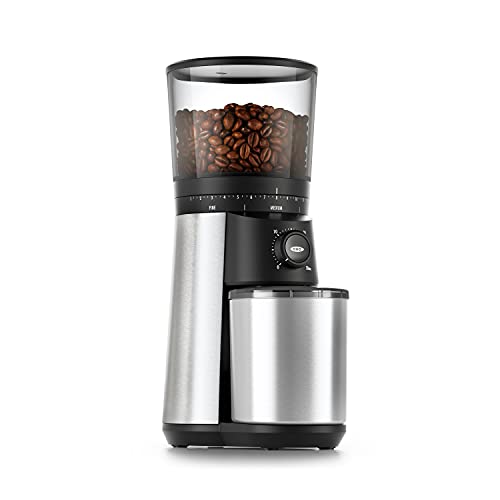


How do you dial in a light roast pour over, step by step?
Start with 15g coffee, 250g water, a medium-fine grind, and water around 205°F; then adjust only the grind after each cup. James Hoffmann’s V60 technique is a useful reference for keeping the bloom and pour consistent while you learn your grinder.
1. Weigh the coffee and heat the water
Weigh 15g of beans and heat 250g of filtered water to about 205°F. Subterra Coffee’s light-roast V60 recipe calls for 203°F at elevation, or about 205°F at sea level. Rinse your filter first so the paper taste stays out of the cup.
2. Grind medium-fine
Grind until the pieces look like fine sea salt, not flour. If you have been brewing dark coffee, begin a small click finer than its happy setting. Save a note in your phone with the setting, coffee, and taste—you will thank yourself next bag.
3. Bloom fully for 45 seconds
Pour about 45g of water, making sure every dry patch gets wet, then wait 45 seconds. That pause lets trapped gas escape so the next pour can reach the grounds evenly. Hoffmann’s V60 method uses a deliberate bloom for this same reason.
4. Pour slowly to 250g
Pour in calm circles until the scale reads 250g, keeping the water level from climbing to the filter rim. A hard center blast stirs up powdery fines and can make the brewer stall. Dark Matter Roasters uses about three to three-and-a-half minutes as a light-roast pour-over reference; use it to notice a dramatic stall, not as a finish-line rule.
5. Taste, then make one small move
Taste after the coffee cools for a minute. If it is sharp and thin, grind one step finer next time. If it is dry, bitter, or woody, grind one step coarser. Keep the dose, water, and pouring routine the same while you do this.
What common mistakes make light roast pour over taste bad?
The big mistakes are changing several things at once, using water that is too cool, and chasing a grinder number copied from someone else. A setting is only a starting clue because burrs, coffee age, and dripper shape all change the result.
- Changing dose and grind together — pick one change, or the next cup tells you nothing.
- Using lukewarm water — Dark Matter Roasters recommends roughly 93–96°C (199–205°F) for light roasts; start near the hotter end of that range.
- Grinding by somebody else’s number — use their number as a map, then follow your own taste.
Is your light roast pour over sour or bitter?
Sour and thin means go finer; bitter, dry, and slow means go coarser. These are the most useful first fixes because grind changes flow and contact time. Keep a steady method, as James Hoffmann’s V60 guidance demonstrates, so the taste gives you a readable signal.
Sour, hollow, or weak
Go one click finer and keep everything else frozen. If it still tastes like tart lemon water, raise the water temperature slightly. Do not add more coffee first; a stronger cup is not always a better-extracted cup.
Bitter, dry, or harsh
Go one click coarser, especially if the drawdown crawls past four minutes. Check the spent bed too: a deep crater means your pour is too aggressive. Gentle circles help prevent fines from clogging the filter.
What grind setting should you use on your grinder?
Start near the middle-fine part of your grinder’s range, then use taste to home in; there is no universal “number 12.” The Honest Coffee Guide settings database is useful for a first reference, but it cannot account for your particular beans or burr wear.
On the Baratza Encore, begin around 14–16 and move one step at a time. On a Fellow Ode Gen 2, start around 4–5; Fellow’s Ode Gen 2 settings chart is the better starting source for that grinder. With any other grinder, check its burr range and begin just finer than its usual pour-over mark.

Frequently asked questions
Does light roast need a finer grind for pour over?
Usually, yes: start a little finer than you would for a dark roast, then let the cup decide. Dark Matter Roasters notes that lighter beans can be denser and less porous, which can make extraction harder. Move only one small notch at a time and keep your dose and pouring routine the same.
Why is my light roast pour over sour?
Sour, lemony coffee usually means the water did not pull enough flavor from the grounds. Grind a touch finer first. If the cup is still sour, use hotter water or pour more steadily; James Hoffmann’s V60 method is a useful reference for a consistent pour.
How fine should I grind light roast for a V60?
Begin at medium-fine: finer than ordinary table salt but not powdery, close to fine sea salt or caster sugar. Dark Matter Roasters suggests roughly a three- to three-and-a-half-minute pour-over for light roasts. Let flavor—not the clock alone—tell you whether to move finer or coarser.
Can I use a blade grinder for light roast pour over?
You can, but it makes this job frustrating. Blade grinders make a mix of dust and big chunks, so one cup can taste sour and bitter together. A basic burr grinder gives you repeatable steps, which is what dialing in needs.
Should I change water temperature before grind size?
Start with grind size because it is the cleanest adjustment. Once you are close, use hotter water for a stubbornly sharp light roast. Subterra Coffee’s light-roast V60 recipe uses 203°F at elevation, or about 205°F at sea level, as a practical reference.
What if my brew takes more than four minutes?
If it tastes dry, bitter, or heavy and runs beyond four minutes, go a step coarser. Also check whether the coffee bed has lots of dusty fines or whether your pour is digging a crater; either can slow the drawdown without making the cup sweeter.