 Coffee Gear Picks
How to Brew Light Roast Coffee Pour Over (2026 Guide)
For a sweet, sparkling light roast pour over, use 20 g coffee, 320 g water at 200–205°F, and a medium-fine grind. The goal is a juicy cup that tastes like fruit and honey, not lemon peel steeped in hot water.
Light Roast V60 Recipe
A repeatable five-step routine for a bright cup with real sweetness, not a sharp sour bite
Step 1 Dose and grind
- Weigh 20 g coffee
- Grind medium-fine
Step 2 Heat and rinse
- Set water to 200–205°F
- Rinse filter and warm brewer
Step 3 Bloom
- Pour 50 g water
- Wait 30–45 seconds
Step 4 Pour and brew
- Use slow spirals to 320 g
- Finish at 2:45–3:30
Step 5 Finish and dial in
- Swirl gently
- Adjust one thing next brew
Result
A sweet, lively light-roast cup with clean fruit notes instead of a thin, sour finish
How do you quickly brew a sweet light roast pour over?
Grind light-roast coffee medium-fine, use 200–205°F water, and begin with a 1:16 ratio: 20 g coffee to 320 g water. Bloom for 30–45 seconds, then use slow spiral pours and finish around 2:45–3:30.
Extraction is simply how much flavor water pulls from the grounds. Light roasts need a little more help because they are dense, so start hot and fine before chasing fancy pouring patterns.
What equipment do you need for light roast pour over?
You need a cone dripper, matching paper filters, a burr grinder, a kettle, and a scale that reads to 0.1 g. A V60 is the easiest place to start, but if you are weighing other shapes and sizes, see our pour over coffee maker picks.
- V60 and filters — a size 02 dripper gives a comfortable one- or two-cup batch.
- Burr grinder — it creates more even particles than a blade chopper, so the cup is less likely to taste both sour and bitter.
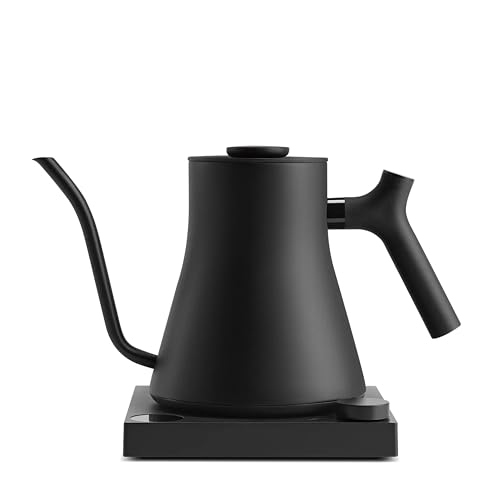
- Gooseneck kettle and scale — these keep water temperature, flow, and dose from turning into guesswork.
Our Top Picks




What is the step-by-step V60 light roast recipe?
Use 20 g of coffee and 320 g of water for a dependable first cup, then change only one detail if the flavor misses. This recipe aims for a 2:45–3:30 total brew, giving light roasts enough contact without turning them dry.
Step 1: What coffee-to-water ratio should you use?
Weigh 20 g of coffee and set your scale target to 320 g water. That is a 1:16 ratio, right in the 1:15–1:17 range recommended by the Coffee Lovers light-roast guide.
Do not eyeball this part. A 0.1 g scale makes it easy to repeat a great cup; compare best coffee scales for espresso and pour over if your kitchen scale jumps in whole grams.
Step 2: How fine should you grind light roast coffee for pour over?
Grind medium-fine, like table salt rather than beach sand. Light beans resist brewing, so they need more exposed surface than a standard medium pour-over grind.
Aim for a 2:45–3:30 total brew. If it races through, grind finer; if it stalls and tastes rough, go coarser. Consistent particles matter here, which is why best pour over burr grinders are a real upgrade over blade grinders.
Step 3: What water temperature works best for light roast pour over?
Heat water to 200–205°F (93–96°C), then rinse the filter and thoroughly warm the dripper and cup. The hotter range helps dense coffee give up its sugars, and a cold ceramic brewer can steal that heat before brewing even starts.
The 94–96°C recommendation also comes from Coffee Lovers. A variable-temperature kettle removes the guesswork; browse best gooseneck kettles for pour over, or boil a stovetop kettle and wait roughly 60 seconds.
Step 4: How should you bloom and pour the water?
Start the timer and pour 50 g of water, about 2–3 times the coffee weight. Make sure every dry patch gets wet, then wait 30–45 seconds while the bed puffs up and releases trapped gas.
Pour the remaining water in three or four slow spirals, keeping the stream low and steady until the scale reaches 320 g. The bloom guidance and 2–3× water weight are outlined in the Coffee Lovers recipe.
Step 5: How do you finish and dial in the cup?
Give the brewer one gentle swirl after the final pour, let it drain, then sip once it is cool enough to taste. A little cooling opens up sweetness; coffee that seems sour when piping hot can turn peachy and floral a few minutes later.
If the coffee is older and suddenly runs fast, use a slightly finer grind or a stronger 1:15 ratio. That approach matches advice in the Home-Barista discussion on aging light roasts.
What light roast pour over mistakes should you avoid?
The usual miss is treating a light roast like a dark roast: too cool, too coarse, and rushed. Keep the recipe simple and repeatable before you start changing several knobs at once.
- Brewing coffee too fresh — wait at least seven days after roast so escaping gas does not make the water bounce off the grounds.
- Going coarse because the coffee is light — start medium-fine instead; coarse grounds often leave a thin, green-tasting cup.
- Skipping the preheat — rinse the filter with hot water and warm the brewer so your hot water stays hot.
- Pouring without a scale — 320 g is very different from a vague "one mug," especially when you are figuring out a new coffee.
- Pouring in big splashes — use calm circles to keep the coffee bed level rather than digging a muddy crater.
Why does my light roast pour over taste sour or bitter?
Sour or vegetal coffee is usually under-extracted, while harsh, hollow bitterness usually means you pushed too far. Taste first, then make one small change; grinding, water heat, and ratio all pull the cup in different directions.
Sour, sharp, or vegetal
Grind a little finer, use hotter water, or bloom for the full 45 seconds. Those changes help water reach more of the coffee's sweetness instead of leaving you with a lemony, raw edge.
Harsh, dry, or empty bitterness
Grind a little coarser or lower the water temperature by a few degrees. If the drawdown crawled well past four minutes, the grounds likely gave up too much of their woody, drying flavor.
Thin or weak coffee
Use more coffee: move from 1:16 toward 1:15 while keeping the water weight the same. That adds body without forcing a very fine grind that can make the cup harsh.
What makes light roast coffee harder to brew than dark roast?
Light-roast beans are denser and less porous than darker beans, so water reaches the soluble material inside them more slowly. Under-extraction is therefore more likely, and it shows up as sharp, vegetal, or oddly salty coffee rather than a sweet, clear cup.
Give the coffee time to settle, too. Kea Coffee's brewing guide recommends resting light roasts for at least seven days, since fresh coffee releases gas that can hinder even wetting.

Frequently asked questions
What water temperature should I use for light roast pour over?
Use 200–205°F (93–96°C). Light roasts are dense and need hotter water to pull out sweetness; cooler water can leave them sour and underdeveloped. With a stovetop kettle, boil the water and wait about 60 seconds before pouring.
Do you grind light roast coffee finer or coarser?
Grind it finer than a standard medium grind. Medium-fine grounds, about the texture of table salt, give dense light-roast beans more surface for the water to work on. If the total brew finishes before 2:30, go a little finer next time.
What is the best coffee-to-water ratio for light roast pour over?
Start at 1:16: 20 g coffee to 320 g water. The useful working range is 1:15–1:17, so you can make the cup fuller or lighter without changing everything else. A scale that reads 0.1 g makes the recipe repeatable.
Why does my light roast pour over taste sour?
Sour, vegetal coffee means under-extraction: the water did not pull enough sweetness from the dense grounds. Grind a touch finer, use 200–205°F water, or extend the bloom to 45 seconds. Change one thing, then taste again.
How long should light roast coffee rest before brewing?
Wait at least seven days off roast. Fresh coffee releases carbon dioxide that can interfere with even wetting and leave the cup flat or sour. Kea Coffee recommends day 7 and beyond as a practical starting point; exact rest time varies by coffee.
Can I brew light roast pour over without a gooseneck kettle?
Yes, but it is harder to keep the flow even. A gooseneck spout makes small, steady circles simple; with a regular kettle, pour slowly in short circles and keep the water near the hotter end of the range.