 Coffee Gear Picks
How to Maintain an Espresso Machine: Daily Care Guide (2026)
Daily rinsing and wiping keep coffee oils and milk residue from affecting flavor and steam performance. Backflushing and descaling matter too, but those are machine-specific jobs, so your owner’s manual always leads the schedule.
A simple espresso machine care routine
Four small habits that protect your morning coffee
Step 1 Prepare
- Check the owner’s manual
- Keep clean cloths ready
Step 2 Clean daily
- Purge and wipe the wand
- Rinse group and basket
Step 3 Deep-clean safely
- Backflush only if supported
- Follow descaling instructions
Step 4 Keep the rhythm
- Replace filters as directed
- Inspect wear parts
Result
A cleaner, safer, more consistent espresso routine.
Quick answer
Rinse the group head and basket after brewing, then purge and wipe the steam wand every time you steam milk. Use a manual-approved backflush, water filter, and descaling cycle when your machine calls for them. That small routine helps keep coffee oils, milk residue, and mineral scale from accumulating where they should not.
Top pick: Urnex Cafiza Cleaning Tablets, 100 Count. The controlled-dose tablets are a practical choice for manufacturer-approved detergent backflush cycles because they are formulated to remove coffee residue and oils from espresso-machine group heads, valves, and lines.
- Price band: $$
- Weight: 0.11 kg for the 100-count pack
- Materials/form: tablets; the listing identifies organic material features
- Key feature: 100-count controlled-dose format; the listing also identifies NSF certification and OMRI listing
What you'll need
Start with your owner’s manual, not a generic internet schedule. It tells you whether your machine accepts a blind basket, which cleaner is safe, and how its water filter works. A cloth and clean water are essentials; detergent and descaler are only needed when the manual approves them. Housing matters more than people expect here too, since a stainless steel body wipes clean where textured plastic traps coffee dust around the drip tray.
Keep this small kit nearby
- Owner’s manual and manufacturer support page, required
- Two clean cloths: one for the steam wand, one for the counter, required
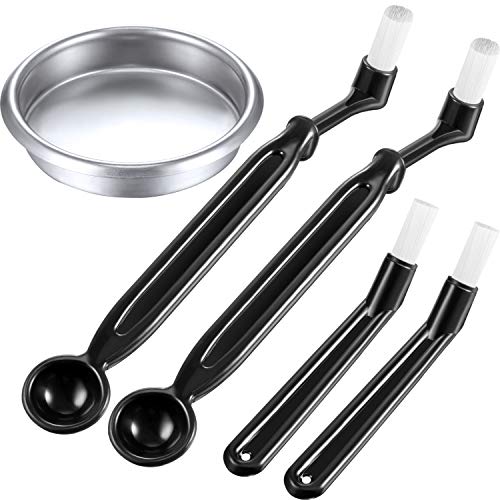
- Fresh water and a small group-head brush, required
- Compatible blind basket and approved detergent, optional and model-dependent
- Manufacturer-approved descaler and replacement water filter, optional and model-dependent
Our Top Picks


Step-by-step espresso machine maintenance
Do the quick cleaning while the machine is still warm. Fresh coffee oils rinse away more easily than a dried film. Save chemical cleaning and scale removal for the exact cycle your manufacturer specifies. Perfect Daily Grind also recommends keeping cloths fresh and cleaning coffee-contact parts at the end of the day.
Step 1: Purge, rinse, and wipe after each drink
Run a short burst of water through the group head after you remove the portafilter, then knock out the puck and rinse the basket and portafilter. Clive Coffee’s maintenance guide includes group-head purging as a daily habit. It keeps loose grounds from drying into the shower screen and carrying stale residue into the next shot.
Step 2: Purge and wipe the steam wand immediately
Purge the wand right after steaming, then wipe it with the cloth reserved for milk. Milk residue becomes much harder to remove once it dries, especially around the small tip holes. Keep machine care separate from grinder care: old grounds need their own routine, covered in our burr grinder picks for espresso.
Step 3: Backflush only on a supported machine
Fit a compatible blind basket, then follow the manual’s water-only or detergent-backflush cycle exactly. A backflush sends water backward through the group valve to clear coffee oils, but not every machine is built for it. For supported detergent cycles, Cafiza is a sensible controlled-dose option, and the other espresso machine cleaners we rate cover the powder and tablet formats different manuals ask for.
Step 4: Descale and inspect on your schedule
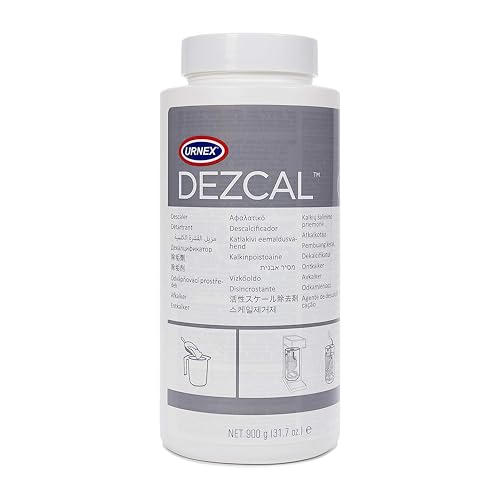
Descaling removes mineral scale, not coffee oil, so it is a different job from backflushing, and it needs its own product: our descaler picks flag which formulas are safe for aluminium boilers and which are not. Follow the machine’s alert or manual and use its approved product and method. Clive Coffee recommends filtered water and periodic group-gasket and shower-screen checks, which are useful guidance, not a replacement for model instructions.
If you are still shopping for a simple first machine, start with our researched espresso machine picks under $200, then download the manual before buying.
Common mistakes
Waiting until residue becomes a crust makes maintenance harder. Avoid shortcuts that put the wrong cleaner in the wrong machine, or that let milk dry inside the steam tip. The goal is a few quick, gentle actions, not an aggressive scrub once a month. If this routine already sounds like more than you want to take on, that is worth knowing before you buy: some machines are built to need far less of it.
- Using detergent as a universal fix: detergent removes coffee oils, while scale needs a manual-approved descaling process. Prima Coffee notes that E61 groups do not use weekly detergent cleaning in the same way as other designs.
- Using one dirty cloth everywhere: keep a dedicated damp wand cloth and replace it often. A milk-soiled cloth can spread residue back onto the machine.
- Forcing blocked steam-tip holes: let the wand cool, follow the manufacturer’s tip-cleaning method, and seek service if the blockage persists.
Troubleshooting
Start with the symptom you can see or taste, then make the smallest safe check. A slow shot is not automatic proof that you need to descale, and a weak steam wand is not a reason to dismantle hot parts. Check the manual before escalating from a rinse to a chemical cycle or repair.
Shots taste stale or bitter
Rinse the basket, portafilter, and group area, then inspect for old grounds around the shower screen. If the taste remains, clean only with the manual-approved method. Perfect Daily Grind links old coffee residue with the need for regular group and end-of-day cleaning.
Steam is weak or sprays unevenly
Purge the wand and check the tip only after it cools. If milk has dried on it, use the manufacturer’s approved cleaning method. Seek service if steam stays weak after the approved cleaning cycle or if you see a leak.
Water flow is slow or the machine shows a cleaning alert
Check the water tank, filter status, and manual first. Follow the exact prompted cleaning or descaling cycle rather than guessing at a chemical ratio. Persistent slow flow, unusual noises, or leaks deserve manufacturer support or a qualified technician.

Frequently asked questions
How often should I clean my espresso machine?
Clean the coffee- and milk-contact parts after every use. That means rinsing the group area, emptying the basket, and purging and wiping the steam wand. Do deeper cleaning weekly or when your manual calls for it, since cleaning cycles differ by machine.
How often should I backflush an espresso machine?
Plain-water rinsing and detergent backflushing are different jobs. Water flushing can be frequent on a supported machine, but detergent timing depends on its design and manual. Prima Coffee notes that E61 groups should not get weekly detergent treatment in the same way as many other machines.
Do I need to descale an espresso machine if I use filtered water?
Filtered water can reduce the minerals entering your machine, but it does not automatically cancel descaling. Follow your machine’s indicator, water-filter instructions, and manual. Your local water and the filter type determine how much mineral buildup remains.
Can I use vinegar to descale my espresso machine?
Use vinegar only if your machine manufacturer explicitly says it is compatible. It is not a safe default replacement for an approved descaler because materials, seals, and rinse requirements differ. The manual gets the final say here.
How do I clean an espresso machine steam wand?
Purge the steam wand immediately after steaming, then wipe it with a dedicated damp cloth. If the tip is blocked, follow your manual’s method for removing and cleaning it. Do not poke aggressively at a hot tip or soak parts the manufacturer says to keep dry.
What happens if I do not maintain my espresso machine?
Old coffee oils can make shots taste stale, and dried milk can block the steam wand. Residue and mineral buildup may restrict water flow, while worn seals can eventually leak. Ignoring these signs can turn a quick clean into a service visit.