 Coffee Gear Picks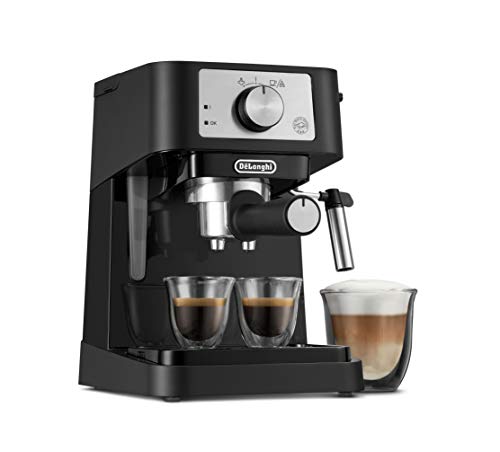
Best Espresso Machine Under 200 (2026): 7 Smart Picks
If you want the best espresso machine under 200, the key is matching your daily workflow to the right machine style. We compared seven researched options by milk performance, consistency potential, cleanup burden, and upgrade headroom so you can buy once and brew better.
Best Espresso Machine Under 200
Seven researched picks organized by real-world workflow fit
Budget
Strong entry point for real espresso
- Simple control layout
- Manual steam wand
- Easy parts availability
- Great first machine
Top Pick De'Longhi Stilosa
$
Starter value winner
Check Price on Amazon Precision
Higher shot ceiling for tinkerers
- Manual lever control
- No pump noise
- Portable format
- Technique-focused
Top Pick Flair 2GO
$$
Best manual control
Check Price on Amazon Quiet
Low-fuss convenience and speed
- Fast heat-up
- Minimal cleanup
- Tiny footprint
- Consistent capsules
Top Pick Nespresso Essenza Mini
$$
Fast weekday routine
Check Price on Amazon Manual
Milk drinks without premium spend
- Manual wand practice
- Good latte value
- Compact countertop size
- Beginner-friendly controls
Top Pick CASABREWS 3700 Essential
$$
Best budget milk setup
Check Price on AmazonQuick answer: For most buyers, the De'Longhi Stilosa is the best espresso machine under 200 because it balances shot quality potential, beginner-friendly controls, and long-term ownership value. Choose CASABREWS 3700 if milk drinks are your priority, or Flair 2GO if you want maximum manual control.
Quick picks
Our Top Picks

Comparison table
| Product | Best For | Machine Type | Pressure | Basket | Milk System | Tank | Heat-Up | |
|---|---|---|---|---|---|---|---|---|
| De'Longhi Stilosa | Most first-time espresso buyers | Semi-automatic pump | 15-bar claim | Pressurized | Manual steam wand | 33.8 oz | Fast | Check price |
| CASABREWS 3700 Essential | Budget lattes and cappuccinos | Semi-automatic pump | 20-bar claim | Pressurized | Manual steam wand | 49 oz | Fast | Check price |
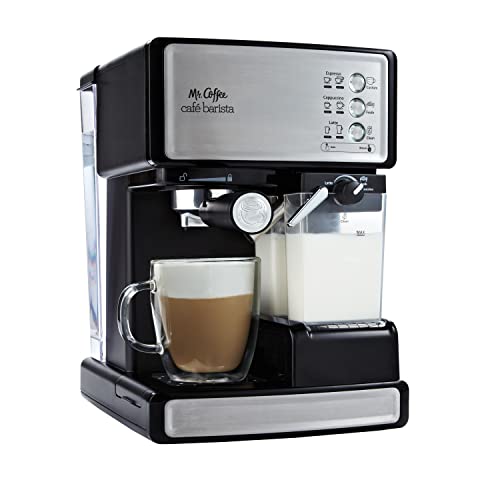
| Mr. Coffee Café Barista | Low-effort milk workflow | Semi-automatic pump | 15-bar claim | Pressurized | Automatic frother | 55 oz | Moderate | Check price |
| Gevi Compact 20 Bar | Tight countertop spaces | Semi-automatic pump | 20-bar claim | Pressurized | Manual steam wand | 42 oz | Fast | Check price |
| Flair 2GO | Manual shot control | Manual lever | User-controlled | Pressurized + non-pressurized options | No built-in steaming | N/A | Depends on kettle | Check price |
| Nespresso Essenza Mini | Fast one-button coffee | Pod system | 19-bar claim | Capsule chamber | No built-in steaming | 20.3 oz | Very fast | Check price |
| De'Longhi ECP3420 | Long-term daily use | Semi-automatic pump | 15-bar claim | Pressurized | Manual steam wand | 37 oz | Moderate | Check price |
How we evaluate machines in this budget
For this guide, we compared each model against the same buyer reality: people want better espresso at home without crossing the $200 line. That means recommendation quality depends on practical trade-offs, not spec-sheet hype. We scored each machine across shot consistency potential, milk-drink workflow, learning curve, cleanup friction, and long-term ownership value.
Shot consistency potential focuses on how repeatable a machine feels when you use an espresso-capable grind and basic puck prep. Some models look similar in marketing photos but behave very differently once you brew back-to-back drinks. We favored options that feel forgiving enough for beginners while still rewarding better grind control over time.
Milk workflow matters because many shoppers in this tier are buying for cappuccinos and lattes, not straight shots only. We separated manual and automatic milk systems so readers can choose based on routine: if you enjoy learning texture control, manual can be stronger; if you need speed at 7 AM, automatic systems can be the right call.
Finally, we weighted daily friction. A machine that makes okay coffee but fits your routine beats a technically better machine that you avoid using. Cleanup design, refill access, and part availability all influence whether a budget buy actually turns into daily value.
Detailed product reviews
1) De'Longhi Stilosa — best espresso machine under 200 for most people
The Stilosa is the most balanced choice in this range. It gives beginners a straightforward interface while still letting you build useful espresso habits. If you pair it with a decent burr grinder and consistent dose routine, it can produce shots that are clearly ahead of typical drip convenience coffee.
Its biggest win is ownership value. Replacement parts are easy to find, community troubleshooting is strong, and your learning effort carries forward if you upgrade later. That makes it a smart center pick when you want reliable daily use without overcomplicating your setup.
Pros
- ✓ Best balance of price, control, and long-term value in this tier
- ✓ Manual steam wand supports better texture practice over time
- ✓ Easy to find accessories and replacement parts
Cons
- ✗ Steam power is workable but not premium-level
- ✗ Small tray needs more frequent emptying
2) CASABREWS 3700 Essential — best budget choice for milk drinks
If your main goal is lattes and cappuccinos under a strict budget, this model lands in a useful middle zone: enough manual control to improve your shots, but fast enough heat behavior for weekday use. It feels less toy-like than many low-cost machines and usually gives a better milk-drink experience than entry models that prioritize price over steam usability.
It is still a budget machine, so puck prep quality matters. Give it consistent grind size and dose control, and it rewards you. Skip those basics and results become less predictable.
Pros
- ✓ Strong milk-drink performance for the price class
- ✓ Fast warm-up supports busy morning routines
- ✓ Good feature-to-cost value in the under-200 bracket
Cons
- ✗ Build feel is lighter than older legacy models
- ✗ Benefits heavily from better grinder consistency
3) Mr. Coffee Café Barista — easiest path for beginners who want convenience
This is the easiest recommendation for buyers who care more about repeatable convenience than espresso craft. The automatic frother helps reduce technique stress, and the larger tank is practical for households making several milk drinks each day.
The trade-off is control ceiling. You get fast, good-enough drinks with less manual effort, but fewer ways to fine-tune extraction and texture compared with fully manual steam routines.
Pros
- ✓ Automatic milk workflow lowers beginner friction
- ✓ Good fit for multi-drink households
- ✓ Simple day-to-day operation
Cons
- ✗ Less texture control than manual steam wands
- ✗ More milk-system cleanup steps after use
4) Gevi Compact 20 Bar — best compact machine for small kitchens

Some buyers are limited by countertop space more than budget. Gevi's compact footprint is the reason it makes this list. It keeps core pump-machine functionality while fitting apartments, offices, and smaller kitchen setups where wider bodies become annoying fast.
Compared with top picks, you may notice a little less consistency across repeated drinks, but if space is your blocker this is still a practical choice that keeps you in the ground-coffee workflow instead of forcing pod-only options.
Pros
- ✓ Countertop-friendly compact form factor
- ✓ Simple control surface for daily use
- ✓ Accessible price for small-space setups
Cons
- ✗ Not the strongest option for repeatability under heavy daily use
- ✗ Can run noisier in shared-space mornings
5) Flair 2GO — best manual option for shot control under $200

If your priority is extraction control rather than convenience, Flair 2GO stands out. It removes pump automation and puts pressure management in your hands, which can produce excellent shots for the money when your prep is disciplined.
It is not an all-in-one machine: you will need a kettle workflow and separate milk setup if you want lattes. But for budget buyers who enjoy process and control, this can deliver the highest quality ceiling in the group.
Pros
- ✓ High control potential for espresso-focused users
- ✓ No electric pump noise
- ✓ Strong value for enthusiasts on a strict budget
Cons
- ✗ Manual workflow is slower and less forgiving
- ✗ No integrated steaming for milk drinks
6) Nespresso Essenza Mini — best one-button convenience pick

Essenza Mini is here for one reason: time. It heats quickly, stays compact, and keeps cleanup very light. If your weekday priority is speed and consistency, this can be a better lifestyle fit than entry pump machines that demand more prep and cleanup attention.
Just be clear about the trade-off: capsule workflow sacrifices freshness flexibility and detailed extraction control. For many users that is acceptable because it keeps good coffee realistic every morning.
Pros
- ✓ Fastest routine in this roundup
- ✓ Very compact footprint for tight spaces
- ✓ Low maintenance effort
Cons
- ✗ Capsule ecosystem limits bean choice flexibility
- ✗ Lower long-term espresso craft ceiling versus ground-coffee setups
7) De'Longhi ECP3420 — best durability-focused budget pick

The ECP3420 is a pragmatic recommendation for buyers who want a machine that keeps working with routine maintenance. It is not flashy, but it has a long history in budget espresso discussions for a reason: steady daily use and predictable behavior once dialed in.
If you care about long ownership and serviceability more than trend features, this is one of the safer buys in the category.
Pros
- ✓ Strong durability reputation in the budget segment
- ✓ Manual wand allows skill growth for milk texture
- ✓ Good fit for buyers prioritizing ownership lifespan
Cons
- ✗ Less modern feel than newer design-heavy models
- ✗ Still benefits from upgrades like a better basket and grinder pairing
Performance factors that matter most under $200
Most budget espresso disappointment comes from expectations mismatch, not total machine failure. Buyers see a high pressure number, assume café-level results, then get frustrated when bitter, sour, or thin shots show up in the first week. In this price bracket, the right approach is to optimize the full workflow: grinder consistency, dose discipline, puck prep, and routine maintenance. The machine still matters, but it is one part of a system.
Temperature behavior is one of the quiet differentiators in this category. Two machines can look nearly identical and still feel very different across back-to-back drinks. A model that recovers heat predictably helps beginners because timing mistakes are less punishing. If your household makes multiple drinks in one session, this matters more than cosmetic features or oversized pressure labels.
Basket style influences how forgiving the machine feels. Pressurized baskets are friendlier when your grinder is limited or when you occasionally use pre-ground coffee. Non-pressurized setups can produce better clarity and balance, but they punish inconsistent grind quality quickly. For most first-time buyers under $200, a forgiving basket plus better grinder habits is usually the fastest route to improvement.
Why grinders still decide your cup quality
Even the best espresso machine under 200 cannot save inconsistent grounds. If particle size swings too wide, water finds weak paths through the puck and extraction drifts cup to cup. That is why people sometimes blame a machine when the grinder is the actual bottleneck. A machine upgrade can help, but consistent grinding usually delivers bigger quality gains first.
If your budget is tight, start by stabilizing three variables before buying more gear: dose weight, grind size, and shot yield target. Keep those stable for one week and your results usually become more predictable. From there, micro-adjust grind size and shot time. This method is slower than random tinkering, but it builds repeatable outcomes and lowers frustration.
Milk drink strategy for budget machines
Milk drinks hide some extraction flaws, which can be useful when you are still learning. But milk workflow should still match your machine. Manual steam wands reward technique and can produce richer texture once you practice, while automatic systems reduce friction and keep weekday speed high. Neither is universally better; they solve different problems.
For cappuccino-heavy households, look at cleanup flow as much as milk texture quality. A machine that creates extra detachable milk parts may save effort during brewing but add effort afterward. If daily cleanup feels annoying, quality declines over time because routines slip. The right pick is the machine whose maintenance you will realistically do every day.
Counter space, noise, and practical ownership
Under-$200 buyers often ignore kitchen constraints during shopping, then regret it after purchase. Measure your real footprint, including side access for refills and front access for cup placement. Compact designs are not just about aesthetics; they affect whether the machine feels convenient or in the way.
Noise profile also matters in shared homes. Pump machines can be loud enough to change when you brew, especially early mornings. If that conflicts with your routine, a quieter workflow might create more long-term value than chasing slightly better extraction potential. This is why convenience picks and compact picks remain on the list even when enthusiast options score higher in pure control.
When to upgrade versus when to optimize
A lot of buyers ask whether they should replace their machine after a few weak shots. Usually, no. Before replacing anything, run a quick optimization cycle: fresh beans, better grind consistency, measured dose, proper puck prep, and regular descaling. In many cases, this dramatically improves cup quality without spending more money.
Upgrade only when your limits are clear and repeatable. For example, if you consistently want stronger steam performance for back-to-back milk drinks, then a machine change makes sense. If your issue is inconsistent extraction from variable grind size, spending on a better grinder is typically the smarter move.
Budget planning that avoids buyer's remorse
Think in system cost, not machine sticker price. A realistic setup includes the machine, grinder quality, scale, basic cleaning tools, and descaling supplies. Skipping all accessories to maximize machine spend usually backfires. A balanced setup often produces better espresso than an expensive machine paired with weak support tools.
For most people, the sweet spot is a reliable machine between entry and mid budget, then steady improvement through workflow discipline. That approach keeps costs controlled and still delivers a noticeable quality jump over pod-only convenience coffee. It also gives you a clean upgrade path later: improve grinder first, then machine only when your skill and routine justify it.
Simple maintenance cadence for budget espresso machines
A repeatable routine keeps shots cleaner and machine behavior more stable
Step 1 Daily
- Rinse basket and portafilter
- Purge wand after milk drinks
- Wipe tray and drip area
Step 2 Weekly
- Deep-rinse removable parts
- Clean steam tip openings
- Brush coffee oils from key touch points
Step 3 Monthly
- Descale based on water hardness
- Inspect seals and gaskets
- Reset your grind baseline
Result
Better flavor consistency, fewer clogs, and longer machine lifespan
Frequently asked questions
Can I make real espresso under $200, or is this range only for weak coffee?
You can make solid espresso in this budget, but grinder quality and puck prep matter more than flashy pressure claims. A reliable machine plus a consistent burr grinder produces better results than an expensive machine paired with inconsistent grounds.
Is a 20-bar machine automatically better than 15-bar?
Not automatically. Once a machine can generate enough pressure for espresso, consistency, basket design, and temperature behavior are usually more important than the headline bar number printed on the box.
Should beginners avoid manual steam wands?
Not necessarily. Manual wands have a learning curve, but they give better control over texture once you practice. If convenience is your priority, an automatic frother model may fit your routine better.
Do pod machines count as espresso machines for this budget?
Pod systems can still be a valid choice when speed and cleanup matter most. They are convenient and consistent, but they do not offer the same freshness and control as ground-coffee pump or manual systems.