 Coffee Gear Picks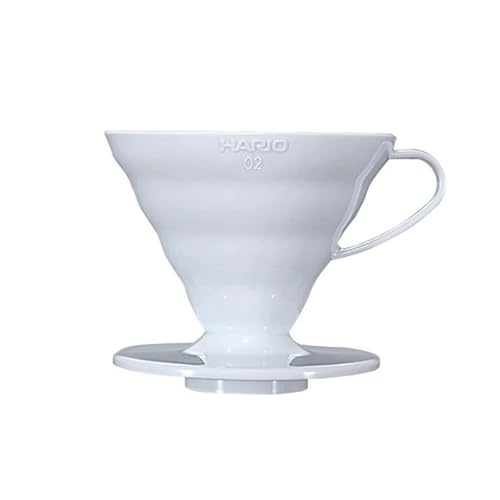
How to Make Pour Over Coffee (2026): Easy V60 Recipe
This is how to make pour over coffee without turning your counter into a science project: use 20 g coffee, 320 g water, a 45-second bloom, and slow spirals. It is a useful baseline, not a universal perfect recipe.
Easy V60 Pour Over Recipe
A repeatable 20 g coffee to 320 g water brew you can adjust after tasting
Step 1 Prep
- Rinse the filter
- Warm the dripper and mug
Step 2 Weigh
- Use 20 g coffee
- Tare the dripper on the scale
Step 3 Bloom
- Pour 40 g water
- Wait 45 seconds
Step 4 Pour
- Add water in steady spirals
- Stop at 320 g total
Step 5 Taste
- Let the bed drain
- Adjust grind next time
Result
A clean, balanced mug that gives you one clear starting point before you tweak grind or pouring.
How do you make pour over coffee quickly?
Use a 1:16 recipe: 20 g medium-ground coffee and 320 g hot water. Bloom with about 40 g water for 45 seconds, then pour the rest in slow spirals. Pull & Pour Coffee uses the same 20 g to 320 g framework, and Alton Brown gives the 45-second bloom as a recipe reference.
What do you need to make pour over coffee?
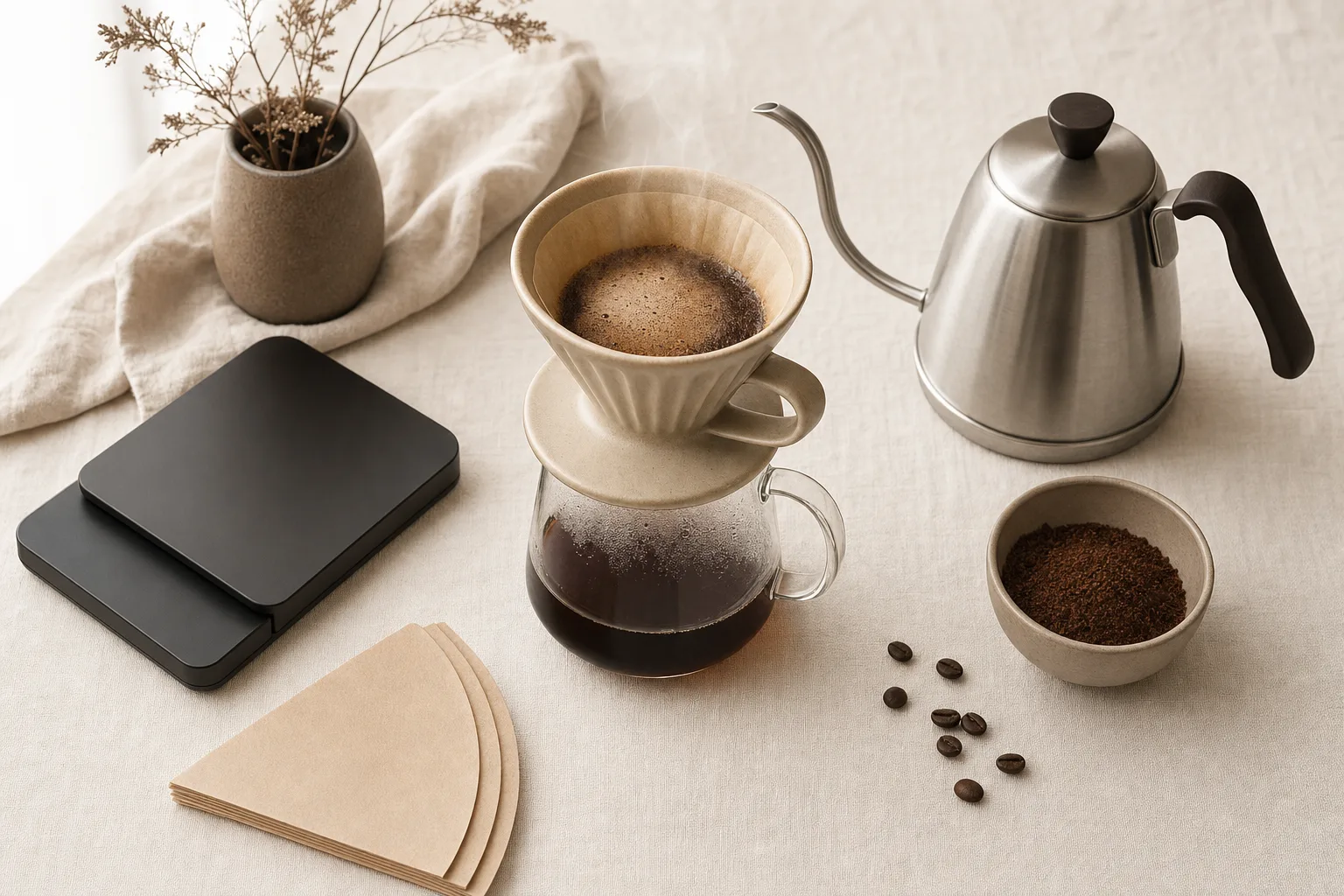
You need a dripper, paper filter, freshly ground coffee, hot water, a scale, a timer, and ideally a gooseneck kettle. That sounds like a lot, but the scale and kettle make the recipe repeatable: you can pour the same amount of water in the same controlled way next time.
- Pour-over dripper and filter: A V60-style cone works well for this recipe. If you are choosing your first brewer, see our pour-over coffee maker picks.
- Freshly ground coffee: Start with a medium grind, roughly like kosher salt. For better control than a blade grinder, use a grinder suited to pour-over.
- Scale and timer: Tare the dripper and coffee on the scale, a step Alton Brown builds into his recipe.
- Gooseneck kettle: The narrow spout makes slow spirals easier. If your kettle pours too fast, see our gooseneck kettle recommendations.
Our Top Picks
What are the steps for a V60 pour over?
Rinse the filter, weigh 20 g coffee, bloom it, then pour to 320 g of water. Keep those numbers steady for your first few brews. The goal is a repeatable cup, then one small, intentional adjustment based on what you taste.
-
Rinse the filter and warm the brewer
Place the paper filter in the dripper, rinse it with hot water, then dump the rinse water. This helps remove papery taste and warms the mug so the brewed coffee does not cool as quickly.
-
Weigh 20 g coffee and grind medium
Weigh 20 g coffee, grind it medium, and pour it into the filter. Blue Bottle Coffee recommends medium grinding and leveling the coffee bed, which helps water reach the grounds more evenly.
-
Bloom with 40 g water for 45 seconds
Start the timer and pour about 40 g water over all the grounds. Wait 45 seconds. The bloom releases trapped gas and gives the water a better chance to saturate the coffee evenly.
-
Pour steadily to 320 g total water
Pour in slow spirals, moving from the outer rim toward the center, until the scale reads 320 g. Blue Bottle Coffee recommends this slow, steady spiral to avoid uneven saturation. A gooseneck kettle makes the motion easier to control.
-
Let it drain, then taste before changing anything
Let the coffee finish dripping, swirl the mug, and taste it once it has cooled a little. Serious Eats explains why controllable gear and brew variables make pour over more repeatable. Change one thing next brew, not five.
What mistakes make pour over coffee uneven?
The biggest mistakes are uneven wetting, unmeasured water, and changing too much at once. Pour over rewards calm repetition. If one brew uses a scoop, the next uses a scale, and the third gets a different grind, it becomes hard to tell why the cup changed.
- Dry pockets in the bloom — If part of the coffee bed stays pale and dusty, pour a little slower and make sure the first 40 g touches all the grounds.
- Pouring only in the center — A center-only pour can dig a crater. Use gentle spirals so the whole bed looks evenly dark and damp.
- Chasing time instead of taste — Total drain time often hints at grind size, but it does not promise a good cup. Taste first, then adjust.
- Changing dose, water, and grind together — Keep 20 g and 320 g fixed while you learn. Move the grind one notch at a time.
Why does your pour over taste sour, bitter, or weak?
Sour coffee often indicates a finer grind or more even wetting may help. Bitter coffee often indicates a coarser grind or gentler pour may help. Weak coffee can call for less water. Keep the 20 g dose steady so each adjustment gives you a clearer signal.
Sour and sharp, like biting a green apple
Grind a little finer next time and make sure the bloom fully wets the bed. Sourness often indicates the water did not pull enough sweetness from the grounds.
Bitter and drying, like over-steeped tea
Grind a little coarser next time and avoid aggressive pouring. If the bed looks churned up and muddy, reduce agitation on the next brew.
Weak, watery, or hollow
Keep the 20 g coffee dose and reduce the water to 300 g on the next brew. If the beans are old or pre-ground, freshly grinding may make a larger difference than changing your pour pattern.
What ratio makes pour over coffee taste balanced?
A 1:16 ratio is a useful place to start: 1 g coffee for every 16 g water. For this V60 recipe, that means 20 g coffee and 320 g water. Measure both by weight with a coffee scale for pour-over and espresso so the result is easy to repeat.
Pull & Pour Coffee frames 20 g to 320 g as a flexible recipe, not a rule carved into stone. If the cup tastes thin, try 20 g coffee to 300 g water next time. If it tastes too heavy, move toward 340 g water.
Frequently asked questions
How do you brew coffee pour over?
Brew pour over by placing medium-ground coffee in a rinsed paper filter, blooming it with a small pour, then adding the rest of the water slowly. This guide uses 20 g coffee, 320 g water, and a 45-second bloom as a useful starting recipe.
How do you make coffee pour over?
Make coffee pour over by weighing your coffee and water, leveling the bed, and pouring in steady spirals. Start with 20 g coffee to 320 g water, then adjust grind finer for sour cups or coarser for bitter cups.
How do you make perfect pour over coffee?
Make “perfect” pour over by repeating one recipe, tasting it, and changing only one thing next time. The 20 g to 320 g recipe is not magic; it is a steady starting point that helps you notice what changed.
How do you make the best pour over coffee?
Make the best pour over coffee by using freshly ground beans, a medium grind, clean water, and a calm spiral pour. Keep the dose and water weight fixed first, then adjust grind after tasting instead of guessing wildly.
What is the best pour over coffee ratio?
A useful beginner pour-over ratio is 1:16, or 20 g coffee to 320 g water. Pull & Pour Coffee uses that framework, which makes a practical middle-strength cup and gives you a clear place to adjust from.
How long should pour over coffee take?
Pour-over time is a clue, not a guarantee. A V60 brew often takes a few minutes from first pour to final drip, but taste matters more. If it is sour, grind finer; if it is harsh and bitter, grind coarser.