 Coffee Gear Picks
Best Overall Example
Bambino Plus Espresso Machine, Brushed Stainless Steel
$$
Check Price on AmazonPre-infusion is the brief, gentle wetting of espresso grounds before full pressure hits. It can give water a more even path through the coffee, helping you make sense of a drink that tastes sharp, hollow, or inconsistent.
Use gentle puck wetting as a more repeatable starting point, not a magic fix
A clearer starting point for dialing in espresso, one controlled change at a time
Pre-infusion gently wets the coffee puck, the compact bed of grounds in your portafilter, before the machine advances to full extraction pressure. It is the initial soak, not the main extraction. Clive Coffee explains that this early wetting can help water meet the puck more evenly.
On some machines water arrives passively as the puck resists flow. Others actively control low pressure first. Whole Latte Love shows why those approaches differ, so do not borrow another machine's timing as if it were a rule.
You need a machine with automatic, programmable, or manual pre-infusion, plus the same basic tools used for any careful espresso shot. A scale and timer make the result easier to repeat because they turn a vague impression into a useful note. They are helpful, not required.
Feature names and control levels vary sharply by price. Our espresso machines under $600 show that budget workflows are not all built alike, while machines around the $1,000 mark are a better place to look for more adjustable timing or pressure controls.
$$
Check Price on Amazon
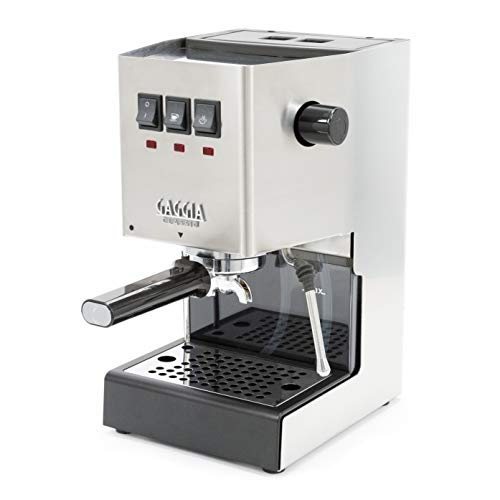
$$
Check Price on Amazon
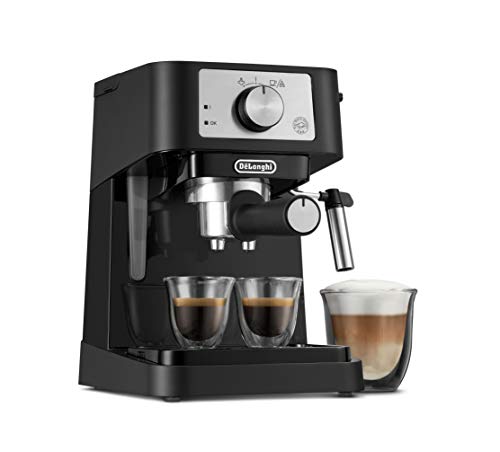
Use pre-infusion only after you have made the coffee bed even, then keep everything else steady while you taste the result. The goal is not to chase a timer number. It is to learn whether a gentle start helps this coffee on your particular machine.
Weigh the same dose each time, grind it, break up obvious clumps, and tamp level. If one side is loose, water will favor that route rather than move evenly through the bed.
Use the button sequence or programmed setting your manual specifies. Flair Espresso distinguishes low-pressure saturation from the higher pressure used for the main extraction, and gives 1–3 bar as an example rather than a setting for every machine.
Once the machine switches to its regular brew phase, let the shot run to your usual yield and total time. Do not change the dose, grind, and pre-infusion all at once. You will not know which change made the cup better or worse.
Taste the shot while it is warm. If it is lemony and thin, start by making the grind a little finer on the next shot. If it is harsh and dry, go a little coarser or shorten the yield. Pre-infusion is one variable, not the whole recipe.
$$
Check Price on AmazonPre-infusion is difficult to judge when the coffee bed changes from shot to shot or several variables move together. Hold the dose, yield, and grind steady at first, then compare one small adjustment. That produces a useful comparison instead of a guess.
Start with the flavor and flow you can see, then make one small correction before changing pre-infusion time. A gentle start can support good puck prep, but it cannot rescue stale coffee or a wildly wrong grind. Keep notes on dose, yield, and total time.
Grind a little finer first and keep the dose and pre-infusion setting steady. If the shot still gushes, check for an uneven bed or a poor tamp. A longer soak may help on some machines, but the grind is usually the cleaner first move.
Grind a little coarser or stop at a smaller drink weight. If the machine lets you change pre-infusion, return to a shorter setting before making it longer. A bitter, drying shot often indicates that the recipe is extracting too far.
Fix distribution before you touch the pre-infusion control. Spurting often points to channels, and a mixed flavor can mean water raced through one part of the puck while moving too slowly through another. Level the grounds, tamp evenly, and repeat the same recipe.

Pre-infusion is a short, gentle wetting of the packed coffee before the machine applies full extraction pressure. It gives water a chance to soak into the puck, but it does not replace a suitable grind, even dose, or level tamp. Clive Coffee describes it as soaking the puck before full pressure.
A useful starting point is 2–8 seconds, not a universal rule. Clive Coffee gives that common range, while the right time changes with the coffee, grind, dose, and how your machine delivers water. Keep the rest of your recipe steady before extending it.
Pre-infusion can help reduce channeling, but it cannot prevent it by itself. Channeling is water finding a weak crack through the coffee, so clumps, an uneven bed, or a crooked tamp can still make a shot spray or run unevenly.
Not always. La Marzocco Home explains that pre-brew can mean a brief water contact, while pre-infusion can describe low-pressure water applied throughout the early stage. Brands use these labels differently, so your machine manual is the final word.
You can imitate a short soak only if your machine manual describes a safe manual method. Do not hold buttons, restrict flow, or force pressure by guesswork. A consistent dose, grind, and tamp will do more for a basic machine than a risky workaround.