 Coffee Gear Picks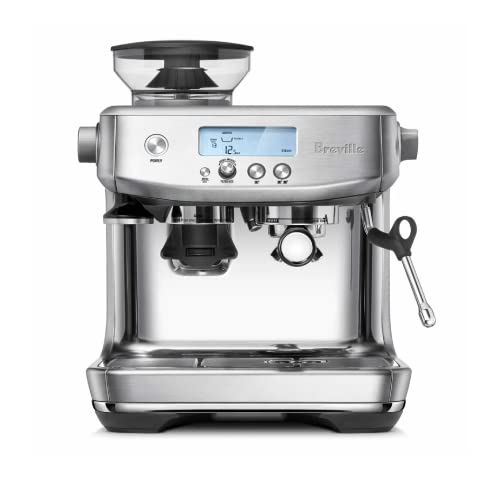
Best Espresso Machine Around $1000 (2026)
The best espresso machine around 1000 for most people is the Breville Barista Pro because it packs the grinder, fast heat-up, temperature control, and semi-automatic rhythm into one clean countertop setup.
Top pick: Breville Barista Pro — it is the best espresso machine around $1000 for most home users because it combines a built-in grinder, fast ThermoJet heat-up, PID temperature control, and a straightforward semi-automatic workflow.
- Price band: $$$
- Weight: 19.5 pounds
- Materials: Stainless steel exterior
- Key feature: Integrated conical burr grinder with ThermoJet 3-second heat-up
Best Espresso Machines Around $1000
Ranked by daily workflow, grinder setup, milk drinks, and upgrade room
Overall
Best all-in-one for most kitchens
- Built-in grinder
- Fast heat-up
- PID temperature control
- Semi-automatic workflow
Top Pick Breville Barista Pro
$$$
Fast, tidy, and beginner-friendly
Check Price on Amazon Assisted
Helps with dosing and tamping
- Assisted tamping
- 25 grind settings
- Built-in grinder
- Beginner-friendly routine
Top Pick Breville Barista Express Impress
$$$
Less fiddly morning setup
Check Price on Amazon Classic
Best for manual espresso learners
- 58mm portafilter
- 9-bar extraction
- Steel housing
- Big accessory path
Top Pick Gaggia RI9380/46 E24
$$
Control over convenience
Check Price on Amazon Automatic
Push-button drinks for busy homes
- One-touch recipes
- Built-in grinder
- Automatic milk system
- Low-fuss cleanup
Top Pick De'Longhi Magnifica Evo Next
$$$
Convenience first
Check Price on AmazonQuick answer: Buy the Breville Barista Pro if you want one machine that does almost everything without turning your counter into a coffee shop workbench. Choose the Gaggia RI9380/46 E24 if you already have a grinder and want more classic manual control, or the De'Longhi Magnifica Evo Next if your household wants push-button milk drinks.
Quick picks
Our Top Picks


Which espresso machines around $1000 are worth comparing?
The machines worth comparing are the ones that solve the three real $1000 problems: grinding, temperature control, and daily effort. Some lean toward convenience, some toward classic espresso control, and one goes fully automatic. Use this table to match the machine to your mornings before reading the deeper notes.
| Product | Best for | Price band | Key spec | Verdict |
|---|---|---|---|---|
| Breville Barista Pro | Most home espresso buyers around $1000 | $$$ | 2L capacity, 19.5 lb, built-in grinder | Best blend of speed, grinder convenience, and control. |
| Breville Barista Express Impress | Beginners who want dosing and tamping help | $$$ | 25 grind settings, assisted tamping | Easier workflow, but price can creep above $1000. |
| De’Longhi La Specialista Arte Evo | Espresso, lattes, and occasional cold brew | $$ | 8 grind settings, cold extraction technology | Best if iced drinks matter as much as espresso. |
| Gaggia RI9380/46 E24 | Manual learners who already have a grinder | $$ | 58mm portafilter, 9-bar extraction | Classic control, fewer comforts, big learning curve. |
| Breville Bambino Plus Bundle with Baratza Encore ESP | Buyers who want a real grinder included | $$ | 64 oz capacity, includes Encore ESP grinder | Best machine-plus-grinder setup for learning shots. |
| Breville Infuser | Buyers pairing a separate espresso grinder | $$ | PID control and volumetric shot control | Smart Breville pick if you do not need a grinder. |
| De'Longhi Magnifica Evo Next | Convenience-first milk drinks | $$$ | 13 one-touch recipes, 60 oz capacity | Best for push-button drinks, not manual espresso practice. |
How should you evaluate an espresso machine around $1000?
At this price, evaluate the whole morning routine, not just the shiny machine. The big checks are espresso control, grinder quality, milk workflow, upgrade path, and daily fit. A great $1000 setup should help you pull sweet, syrupy shots without making every weekday feel like a science project.
Temperature stability matters because espresso is fussy: a small swing can turn chocolatey into sharp. Grinder control matters just as much, since grind size sets how fast water moves through the coffee. Whole Latte Love puts similar weight on PID control, boiler design, and build quality in this price class.
We also looked at how much the machine teaches you. A 58mm portafilter and manual steaming build skills you can carry to future machines. Assisted tamping and automatic milk systems trade some of that learning for easier drinks, which is completely fair if you just want a cappuccino before work.
Which espresso machine around $1000 should you buy?
Buy the machine that matches how much effort you actually want to spend before coffee. The Barista Pro is the safest all-around pick, while the Gaggia and Infuser reward people who already think about grinders. The De’Longhi automatic is for households that want drinks, not a new hobby.
1) Breville Barista Pro — Best Overall
The Barista Pro is the one I would point most friends toward because it removes the biggest first-espresso headache: buying a grinder separately. You still grind, dose, tamp, and steam like a real semi-automatic machine, but the parts live in one tidy box.
The ThermoJet heat-up is the morning-friendly trick. Instead of waiting around while your kitchen smells like beans and impatience, you can move from sleepy to shot-pulling fast. The downside is the built-in grinder: it is convenient, but it is not as flexible as a dedicated espresso grinder if you get obsessive later.
Pros
- ✓ Built-in grinder keeps the setup simple
- ✓ Very fast heat-up for weekday mornings
- ✓ Good balance of control and approachability
Cons
- ✗ Grinder upgrade means changing the whole setup
- ✗ Still requires dialing in and regular cleaning
2) Breville Barista Express Impress — Best for Assisted Tamping
The Barista Express Impress is for the person who wants espresso but hates the messy guessing game of dosing and tamping. The assisted tamping system pushes you toward a more even puck, which means fewer wild shots that gush like a broken faucet.
That help is useful, but it also makes the machine feel a little more guided than open-ended. If you enjoy tinkering, the standard Barista Pro feels cleaner and faster. Also watch the live Amazon price; this model can sit slightly above the $1000 line depending on the day.
Pros
- ✓ Assisted tamping lowers beginner frustration
- ✓ 25 grind settings give useful adjustment room
- ✓ All-in-one setup saves counter space
Cons
- ✗ Often priced a bit above the target budget
- ✗ Less appealing if you want fully manual control
3) De’Longhi La Specialista Arte Evo — Best for Iced Coffee
The La Specialista Arte Evo makes the most sense if your coffee life is not only hot espresso. Its cold extraction feature gives iced coffee drinkers a reason to choose it over the Breville crowd, especially if your afternoon drink is more ice-and-milk than tiny demitasse cup.
The tradeoff is grinder range. Eight grind settings are easier to understand, but they give you less fine control than machines with more steps. If you want to chase tiny shot changes, that can feel limiting. If you want espresso, lattes, and cold drinks from one compact station, it is a fun pick.
Pros
- ✓ Cold extraction adds real iced-drink flexibility
- ✓ Compact footprint for a grinder machine
- ✓ Good fit for mixed hot and cold drink routines
Cons
- ✗ Only 8 grind settings
- ✗ Not as strong for obsessive shot tweaking
4) Gaggia RI9380/46 E24 — Best Classic Semi-Automatic Control
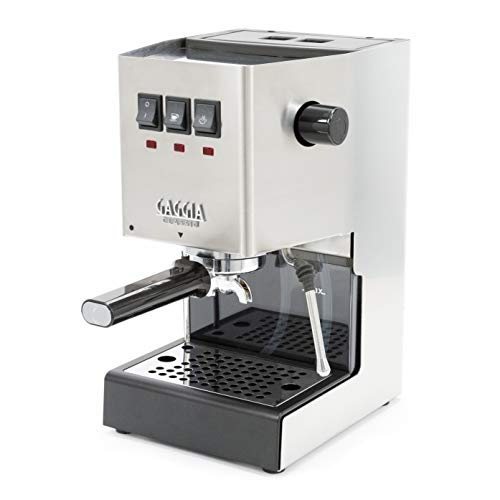
The Gaggia is the opposite of a hand-holding all-in-one. It gives you a commercial-style 58mm portafilter, 9-bar extraction, and a more old-school feel. Pair it with a capable grinder and it can make thick, classic espresso with the kind of texture that clings to the cup.
The catch is that it expects more from you. You will need to think about grinding, dosing, tamping, and timing. Coffee Chronicler gives serious attention to these classic enthusiast machines, and that is the right frame: rewarding, but not the easiest path.
Pros
- ✓ 58mm portafilter opens up accessory options
- ✓ Classic manual feel teaches transferable skills
- ✓ Steel housing feels more serious than plastic-heavy machines
Cons
- ✗ Requires a separate espresso grinder
- ✗ Less convenient for rushed weekday drinks
5) Breville Bambino Plus Bundle with Baratza Encore ESP — Best Machine-Plus-Grinder Bundle

This bundle is the smartest workaround for the all-in-one compromise. The Bambino Plus gives you a small, fast machine, while the Baratza Encore ESP handles the grind separately. That matters because espresso is mostly grind control dressed up as a fancy drink.
If you want to understand shot flavor, this setup gives you room to learn. Grind too coarse and the shot runs thin and sour; grind finer and it thickens up. For more on that process, our espresso grinder settings guide walks through the same cause-and-effect rhythm.
Pros
- ✓ Separate grinder gives better upgrade flexibility
- ✓ Compact machine saves space
- ✓ Great learning setup for dialing in espresso
Cons
- ✗ Two pieces take more counter planning
- ✗ Not as visually tidy as an all-in-one machine
6) Breville Infuser — Best Grinder-Free Breville
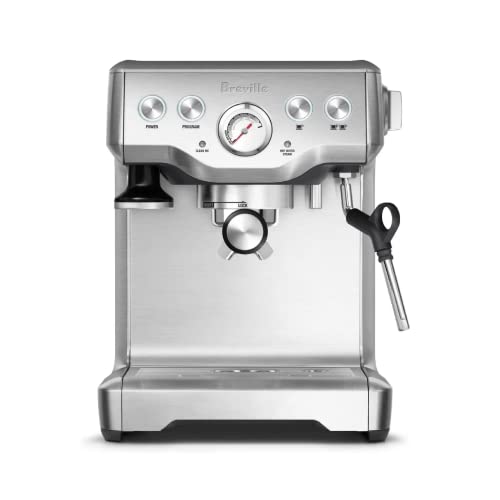
The Infuser makes sense if you already own a good grinder or plan to buy one from our espresso grinder picks. You get Breville’s approachable controls without paying for another built-in grinder you may not need.
Low-pressure pre-infusion helps wet the coffee bed before full pressure hits, which can make extraction taste more even. The pressure gauge is also useful feedback while you learn. The downside is simple: without a strong grinder beside it, the Infuser is like a nice pan with a dull knife.
Pros
- ✓ Good choice if you already own a grinder
- ✓ PID and shot controls support repeatable drinks
- ✓ Pressure gauge helps beginners read the shot
Cons
- ✗ No grinder included
- ✗ Older design feels less slick than newer Breville models
7) De'Longhi Magnifica Evo Next — Best Fully Automatic Option

The Magnifica Evo Next is for the house where nobody wants to argue about grind size at 7 a.m. You tap a drink, the machine grinds, brews, and handles milk. For shared kitchens, that convenience is worth a lot.
Just be honest about what it is. It will not teach you tamping, puck prep, or manual milk texture. Coffeeness treats automatic machines as a different buying path for good reason: they are about ease, not maximum control.
Pros
- ✓ One-touch recipes suit busy households
- ✓ Automatic milk system lowers the skill barrier
- ✓ Good option for people who do not want a hobby
Cons
- ✗ Less control over manual espresso details
- ✗ More internal parts to clean and maintain
Frequently asked questions
What is the best espresso machine around $1000?
The Breville Barista Pro is the best espresso machine around $1000 for most buyers. It combines a built-in grinder, fast ThermoJet heat-up, PID temperature control, and a clear semi-automatic workflow without forcing you to buy a separate grinder on day one.
Is the Breville Barista Pro worth it around $1000?
Yes, the Breville Barista Pro is worth it if you want one tidy machine that handles grinding, brewing, and steaming. The tradeoff is upgrade flexibility: a separate grinder setup can grow with you better, but it takes more counter space and more decisions.
Should I buy an espresso machine with a built-in grinder?
Buy a built-in grinder if you want a cleaner, simpler setup. It is great for small kitchens and weekday lattes. Skip it if you already own a strong espresso grinder or want to upgrade the grinder later without replacing the whole machine.
Is the Gaggia Classic Evo Pro, Thunder Black good enough for serious espresso?
Yes, the Gaggia Classic Evo Pro, Thunder Black style machine can be good enough for serious home espresso when paired with a capable grinder. Its 58mm portafilter and 9-bar setup teach real manual skills, but it is less forgiving than Breville’s assisted machines.
Do I need a separate grinder for an espresso machine around $1000?
You need a separate grinder if the machine does not include one, and it matters a lot. Espresso needs tiny grind changes; too coarse tastes sour, too fine chokes the shot. A grinder like the Encore ESP bundle makes the machine far easier to dial in.
What is the best fully automatic espresso machine under $1000?
The De’Longhi Magnifica Evo Next is the best fully automatic option here for convenience-first households. It is the pick for cappuccinos and lattes with minimal fuss, not for people who want to practice tamping, grind changes, and manual shot control.
What should you read next before buying?
Read these next if the machine choice made you realize the rest of the setup matters too. Espresso gets easier when the grinder, scale, and dialing-in routine all work together. These guides fill in those gaps without sending you into coffee forum quicksand.
- Best Burr Grinder for Espresso — the grinder matters most if you choose a machine without one.
- Burr Grinder Settings for Espresso — use this when shots run sour, bitter, fast, or slow.
- Best Coffee Scale for Espresso and Pour Over — dose and yield are much easier when you stop guessing.
- Best Espresso Machine Under $200 — compare the budget path before spending around $1000.