 Coffee Gear Picks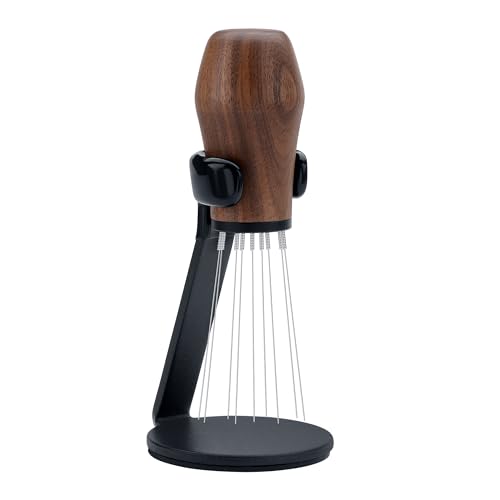
Why Is My Espresso Grinder Clumping? (2026): Causes & Fixes
“Why is my espresso grinder clumping?” usually has a less expensive answer than “buy another grinder.” Find where the lumps form, then check residue, beans, static, and how you spread the grounds.
Find the cause before buying a fix
Work from the chute to the espresso basket
Step 1 Locate
- Find where lumps form
- Check for warning signs
Step 2 Clean and check beans
- Follow the grinder manual
- Compare with less oily beans
Step 3 Control static
- Check permission for RDT
- Keep water out of the grinder
Step 4 Distribute and brew
- Break up basket clumps
- Judge flow and taste
Result
Keep the grinder if clumps break apart and your shots brew well.
Why is my espresso grinder clumping?
Your espresso grinder may be clumping because dry grounds carry static, fine particles stick together, or coffee oils collect in the chute. Bean choice and humidity can change the pattern. Clumps alone do not mean failure: check whether they survive distribution and disrupt extraction, the flavour water pulls from coffee.
Perfect Daily Grind’s clumping guide explains these causes and channeling: water finding easy paths through uneven grounds instead of wetting them evenly.
What supplies do you need?
Start with your grinder manual, a dry brush, and a way to weigh and catch coffee. You do not need every accessory below. Pick a tool only after finding the cause; a needle stirrer will not clean the chute, and a spray bottle will not remove oils.
- Grinder manual and dry cleaning brush
- Scale, beans, and a dry dosing container
- Optional fine-needle tool for basket clumps
Our Top Picks



How do you fix clumping in five checks?
Locate the lumps first, then remove residue, check beans and grind size, address static, and distribute the grounds. Change one thing at a time. Keep the coffee dose and brewing routine steady so you can tell whether a fix improves the shot rather than merely making the basket look tidier.
1. Find where clumps form
Look at the chute, catching cup, and basket separately. Powder plastered to the cup suggests static; packed coffee at the exit calls for a cleaning check. Stop and unplug if grinding stalls, sounds rough, or produces a burning smell. Follow the manual’s service advice.
2. Clear residue safely
Unplug before opening or brushing. Baratza’s Grinder Cleaning Essentials explains how coffee oils and buildup can clog grinders. Follow your manufacturer for opening, lubrication, tablets, and reassembly.
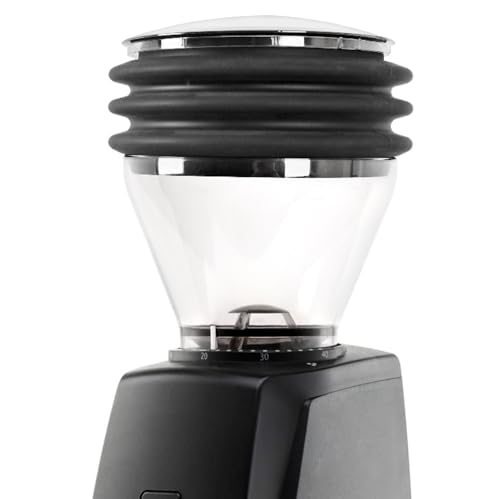
Optional Urnex Grindz is for standalone grinders, not super-automatic espresso machines; use only if approved. The CAFEMASY bellow can help clear retained grounds only with a compatible hopper and manufacturer-approved use. It cannot replace cleaning.
3. Check beans and the fine setting
Compare a less oily batch after cleaning. Baratza links oily residue with clogging, while Perfect Daily Grind links fine grinding with clumping. Move slightly coarser only if the shot also needs it. Don’t sacrifice a sweet shot just to get fluffy grounds.
4. Address static before grinding
Check whether your manufacturer permits RDT, the Ross Droplet Technique: minimal moisture on beans before grinding. Perfect Daily Grind’s Spraying coffee with water might improve extraction, but it’s not exactly practical covers static reduction and over-wetting concerns. Never spray inside an electrical grinder.
The optional Normcore RDT bottle holds 30 ml. Mist beans outside the grinder, using only the approved minimum. The Normcore 58 mm dosing cup can contain beans for careful misting and help with grounds transfer; check your portafilter size.
5. Break up clumps after grinding
Use WDT, the Weiss Distribution Technique, to gently stir basket grounds with fine needles before tamping. Perfect Daily Grind’s What is the Weiss Distribution Technique & should you use it before tamping coffee? explains its role. Work through the depth, then level the surface.
Judge shot flow and taste after distribution. If lumps disappear and shots repeat well, keep your grinder.
Which mistakes waste time?
The biggest mistake is changing beans, grind size, and preparation together. You lose track of what helped. Photograph the original clumps and note your starting setting, then compare one change at a time. Treat appearance as a clue, not a demand for perfectly powdery grounds.
- Forcing stuck parts: stop and consult the manual.
- Adding household lubricant: use only manufacturer-specified products.
- Tamping harder: distribute first rather than compressing lumps.
What if clumping continues?
Match the remaining symptom to its location. Sticking powder calls for a static check; a packed chute needs cleaning or service; basket lumps need distribution. Escalate when output remains poor after those checks, especially with unusual noise. Do not keep forcing doses through a grinder that is struggling.
- Powder sticks everywhere: revisit approved static control.
- Chute repeatedly packs up: contact the manufacturer after cleaning and bean checks.
- Shots still run unevenly: check dose, distribution, and grind before blaming clumps.
After cleaning, bean, static, and distribution checks, persistent trouble warrants service advice. If replacement makes sense, Best Burr Grinder for Espresso (2026): 7 Top Picks compares espresso-focused grinder options and trade-offs.
Compare a repair quote with replacement cost. Best Burr Coffee Grinder Under 200 (2026): 6 Honest Picks covers budget-oriented burr grinder choices across brewing styles.
To avoid a powered grinder’s static or retention frustrations, consider a manual alternative, not a guaranteed cure. Best Hand Grinder for Espresso Under 100 (2026): 5 Picks compares espresso-capable hand-grinder options under 100 and their cranking-effort trade-offs.

Frequently asked questions
Why is my espresso grinder suddenly clumping?
Sudden clumping can follow a bean change, finer setting, different humidity, or accumulated coffee oils. Perfect Daily Grind and Baratza describe these causes. Check where the lumps form first; new scraping sounds or stalled grinding call for service, not distribution tools.
How do I stop my espresso grinder from clumping?
Locate the clumps, clean as your manufacturer directs, and compare less oily beans. Address static only with an approved method, then break up basket clumps before tamping. Keep your dose and brewing routine unchanged so each adjustment tells you something useful.
Is it normal for espresso grounds to clump?
Some clumping at fine espresso settings is normal, according to Perfect Daily Grind. Visible lumps alone do not prove your grinder is faulty. Check whether they break apart during distribution and whether the resulting shots have repeatable flow and a taste you enjoy.
Does RDT damage an espresso grinder?
RDT is not automatically safe for every grinder. It means adding minimal moisture to beans before grinding, not spraying the burrs or motor. Perfect Daily Grind warns against over-wetting; follow your manufacturer’s instructions and skip RDT if water use is prohibited.
Does WDT fix grinder clumping?
WDT breaks up clumps after grinding by stirring grounds with fine needles. Perfect Daily Grind describes it as a distribution technique before tamping. It does not remove oily deposits, clear a blocked chute, or repair a grinder that is grinding abnormally.
Can oily coffee beans clog an espresso grinder?
Yes. Baratza’s Grinder Cleaning Essentials explains that oily residue can contribute to clogging. Clean the grinder according to its manual and compare with less oily beans. Use cleaning tablets only when approved; Urnex Grindz is for standalone grinders, not super-automatic espresso machines.