 Coffee Gear Picks
Best Espresso Machine Bean to Cup (2026): 7 Picks
The best espresso machine bean to cup pick for most homes is the De'Longhi Magnifica Evo with LatteCrema because it nails the “push a button, get a latte” routine without jumping into Jura-level pricing.
Top pick: De'Longhi Magnifica Evo with LatteCrema — the best bean-to-cup espresso machine for most homes because it balances one-touch milk drinks, 13 grind settings, auto-cleaning, and a less extreme price than premium smart machines.
- Price band: $$$
- Weight: 21.2 lb
- Materials: Plastic exterior
- Key feature: 7 one-touch recipes with LatteCrema automatic milk system
Best Bean-to-Cup Espresso Machines for 2026
Seven whole-bean machines compared by milk workflow, cleanup, drink control, smart features, and household fit.
Overall
The safest pick for most kitchens
- 7 one-touch recipes
- 13 grind settings
- Automatic milk carafe
- Less extreme price
Top Pick De'Longhi Magnifica Evo LatteCrema
$$$
Best daily balance
Check Price on Amazon Cleanup
Milk drinks without tube drama
- Two-part milk system
- No milk tubes
- Ceramic grinder
- Touch display
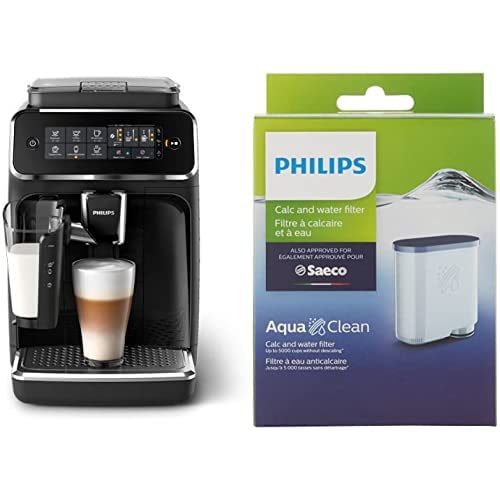
Top Pick Philips 3200 LatteGo
$$
Easiest rinse routine
Check Price on Amazon Personalization
For households that all drink differently
- 24+ recipes
- Up to 4 profiles
- TFT touchscreen
- 3 frother modes
Top Pick De'Longhi Dinamica Plus
$$$
More control per person
Check Price on Amazon Premium
Polished, pricey, and very convenient
- P.A.G.2 grinder
- Color display
- One-touch milk cleaning
- Premium finish
Top Pick Jura E8 Chrome
$$$
Best high-end feel
Check Price on AmazonWhich bean-to-cup espresso machine is best for most homes?
The De'Longhi Magnifica Evo with LatteCrema is the best espresso machine bean to cup pick for most homes because it combines one-touch espresso, cappuccino, latte macchiato, iced coffee, a built-in grinder, and automatic milk handling without jumping into ultra-premium pricing.
Buy the Philips 3200 LatteGo if cleanup is your main pain point. Choose the De'Longhi Dinamica Plus if everyone in your house wants their own drink settings, or the Jura E8 if you want a more polished premium experience and the price does not make you wince.
Quick picks
Our Top Picks

How do the best bean-to-cup espresso machines compare?
The best choice depends mainly on milk workflow, cleaning tolerance, drink customization, and budget. Magnifica Evo is the best all-rounder, Philips 3200 LatteGo is easiest to clean, Dinamica Plus is the best fit for multiple drink profiles, and Jura E8 is the premium “set it and forget it” option.
| Product | Best for | Price band | Key spec | Verdict |
|---|---|---|---|---|
| De'Longhi Magnifica Evo LatteCrema | Best Overall | $$$ | 7 recipes, 13 grind settings | Best balance of milk drinks, grinder control, and price. |
| Philips 3200 LatteGo | Easiest Cleanup | $$ | LatteGo two-part milk system | The easiest pick if milk tubes make you sigh. |
| De'Longhi Dinamica Plus | Best Personalization | $$$ | 24+ recipes, 4 profiles | Best for households with different drink orders. |
| Jura E8 Chrome | Best Premium | $$$ | P.A.G.2 grinder, 17 options | Polished and convenient, but priced like a luxury appliance. |
| Gaggia Brera | Best Compact Value | $$ | 10 x 15.5 x 11.5 in body | Small, simple, and affordable, with manual milk frothing. |
| Terra Kaffe TK-02 | Best Smart Machine | $$$ | App control, 75 fl oz tank | Best if your coffee routine already lives on your phone. |
| Bosch VeroCafe 800 Series | Best for Big Households | $$$ | 36 drinks, double-cup option | Big menu and smart control for busy kitchens. |
How did we choose these bean-to-cup espresso machines?
We compared verified Amazon listing specs and manufacturer documentation for grinder type, drink menu, milk system design, cleaning steps, water capacity, footprint, interface, and overall value. The priority was simple: machines that grind whole beans automatically and make espresso-style drinks without requiring a separate grinder.
Capacities, dimensions, wattage, model numbers, drink counts, and grinder settings come from Amazon listing data and brand product pages. We also weighed the “daily friction” factors that actually decide whether you keep using a super-automatic: how annoying the milk cleanup is, how often you refill the tank, and whether the controls make sense before your first sip.
Which bean-to-cup machine is best overall?
The De'Longhi Magnifica Evo is best overall because it covers the most common home drinks — espresso, cappuccino, latte macchiato, coffee, iced coffee, hot water, and My Latte — while offering 13 grind settings and an automatic LatteCrema milk system.
If you want a machine that makes espresso and milk drinks feel routine (not like a hobby), this is the sweet spot. The drink list is broad enough for most households, and the grinder adjustment gives you a real way to respond when you switch beans and the shot suddenly tastes thin or harsh.
The compromise is “midrange appliance” feel: a plastic exterior and a simpler interface than the Dinamica Plus touchscreen or the premium Jura/Bosch experience. But if your goal is consistent lattes with minimal fuss, the Magnifica Evo’s straightforward controls are a feature, not a bug.
Pros
- ✓ Strong everyday drink menu
- ✓ 13 grind settings for different beans
- ✓ Automatic LatteCrema milk system
Cons
- ✗ Plastic exterior
- ✗ Less advanced interface than premium picks
Which bean-to-cup machine is easiest to clean?
The Philips 3200 Series LatteGo is the easiest-cleaning pick because its LatteGo milk system uses two parts with no tubes, and Philips says it can be cleaned in as little as 15 seconds under the tap or in the dishwasher.
The LatteGo design is the main reason to buy this model: fewer crevices, no tube routing, and less “did I actually clean that?” anxiety. Philips markets the two-part system as quick-rinse friendly and dishwasher safe, which is exactly what most people want from a weekday cappuccino machine.
The tradeoff is depth of customization. Compared with Dinamica Plus, Jura, or Bosch, you get fewer profiles and “tinker” options. If you mostly want reliable espresso and milk drinks with low cleanup effort, that is a very fair exchange.
Pros
- ✓ Two-part milk system with no tubes
- ✓ Ceramic grinder
- ✓ Good size for many counters
Cons
- ✗ Fewer recipes than premium machines
- ✗ Limited user-profile features
Which bean-to-cup machine is best for personalized drinks?
The De'Longhi Dinamica Plus is the best personalization pick because it supports 24+ recipes, up to 4 user profiles, a 3.5-inch TFT touchscreen, 13 grinder settings, and an automatic milk system with 3 frother modes.
This is the better De'Longhi when “one machine, many preferences” is the reality. Profiles are the quiet hero feature: they keep you from reconfiguring strength, milk, and volume every single morning, and they make the touchscreen feel like a convenience upgrade rather than a novelty.
The downside is the price jump over the Magnifica Evo. If your household drinks one or two repeats (espresso + cappuccino, say), the Evo covers the essentials. Dinamica Plus earns its keep when multiple people actually use the extra recipes and saved settings.
Pros
- ✓ 24+ drink recipes
- ✓ Up to 4 user profiles
- ✓ Large touchscreen interface
Cons
- ✗ Costs more than Magnifica Evo
- ✗ Overkill for simple coffee routines
Which premium bean-to-cup machine feels most polished?
The Jura E8 is the premium pick for buyers who want a refined interface, one-touch milk cleaning, a broad drink menu, and Jura's P.A.G.2 grinder system.

Jura positions this E8 generation around a “premium convenience” experience: a 3.5-inch display with buttons, one-touch milk system cleaning, and a menu of up to 17 drink options (per Jura’s product page). If you want the machine to feel like a finished appliance—not a gadget—you’ll probably like the E8.
The warning is ownership cost and ecosystem. Jura’s maintenance guidance leans heavily on brand-specific cleaning products and filter routines, which can add up over time. It’s also a harder pick to spec-compare because some Amazon listings provide less structured detail than the De'Longhi and Philips pages.
Pros
- ✓ Premium interface and finish
- ✓ One-touch milk system cleaning
- ✓ Broad drink menu
Cons
- ✗ Very high price
- ✗ Cleaning supplies can add ongoing cost
Which compact bean-to-cup machine is best for small kitchens?
The Gaggia Brera is the compact value pick because it keeps the bean-to-cup workflow in a smaller 10 x 15.5 x 11.5 inch body with a 40 oz tank, button interface, removable tank, and manual milk frother.
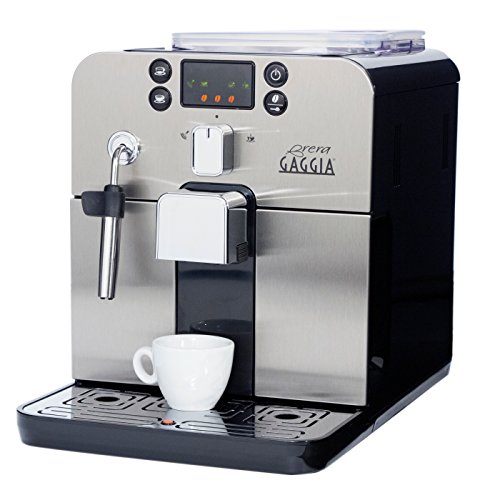
If you want the “beans in, espresso out” experience but your counter space is tight, Brera’s footprint is the appeal. It’s also a sensible way to try super-automatic convenience without paying for a big touchscreen and a long specialty-drink list.
Milk is the catch. The manual frother asks you to do the steaming and swirling yourself, so it’s slower and more skill-dependent than LatteCrema or LatteGo. If you drink milk beverages daily and hate manual frothing, it’s worth spending more for an automatic milk system.
Pros
- ✓ Compact footprint
- ✓ Lower price band
- ✓ Removable water tank
Cons
- ✗ Manual milk frothing
- ✗ Older button interface
Which smart bean-to-cup machine is best for app control?
The Terra Kaffe TK-02 is the smart-machine pick because it emphasizes app control, saved drink routines, and scheduling features like auto wake/sleep.

Terra Kaffe sells the TK-02 as a connected, preference-forward machine (via its product page): you use the app to set up drinks, save them, and make the machine fit your schedule. That approach makes sense if multiple people share the machine and you want “your drink” to be one tap away.
Just be honest about whether you’ll use the app. This is a big, heavy machine, and the smart features are only valuable if they reduce friction for you. If you want fewer moving parts in the routine, Magnifica Evo or Philips will feel more straightforward.
Pros
- ✓ App-enabled control
- ✓ Auto wake and sleep
- ✓ Large 75 fl oz tank
Cons
- ✗ Heavy body
- ✗ Smart features may not matter to everyone
Which bean-to-cup machine is best for a high-volume household?
The Bosch VeroCafe 800 Series is best for high-volume households because it offers a very large drink menu, a big touchscreen, and app support for repeated orders.
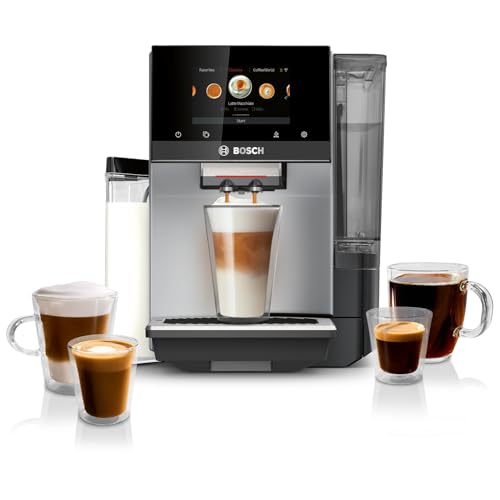
Bosch lists the VeroCafe 800 Series with 36 drinks, Home Connect app support, a 5-inch Active Select touchscreen, and an integrated milk container. That combination is built for “lots of drinks, lots of preferences,” which is exactly what happens in a busy family kitchen.
The catch is footprint and cost. It’s a deep machine and not cheap, so it makes the most sense when you’ll actually use the menu breadth and the double-cup convenience, rather than buying it just because the spec sheet is impressive.
Pros
- ✓ 36-drink menu
- ✓ Double-cup capability
- ✓ Home Connect app support
Cons
- ✗ Large footprint
- ✗ Premium price
Frequently asked questions
What is the best bean-to-cup espresso machine for home?
The De'Longhi Magnifica Evo is the best choice for most homes because it balances one-touch drinks, automatic milk frothing, 13 grind settings, and auto-clean features. Choose Philips 3200 LatteGo if easy milk cleanup matters most, or Dinamica Plus if multiple user profiles are important.
Do bean-to-cup espresso machines make real espresso?
Bean-to-cup machines make espresso-style coffee under pressure from freshly ground beans, but they do not give the same manual control as a semi-automatic machine and separate grinder. They are best for convenience, consistency, and milk drinks rather than obsessive shot dialing.
Which bean-to-cup machine is easiest to clean?
Philips 3200 LatteGo is the easiest to clean in this roundup because its milk system has two parts and no tubes. De'Longhi's LatteCrema machines also simplify milk cleanup, while manual-wand machines like Gaggia Brera avoid milk tubes but require frothing skill.
Is a bean-to-cup machine better than an espresso machine with grinder?
A bean-to-cup machine is better for convenience because it grinds, doses, brews, and often froths milk automatically. A semi-automatic espresso machine with a grinder is better for control, shot quality experimentation, and learning espresso technique.
How long do bean-to-cup espresso machines last?
Lifespan depends on maintenance, water hardness, cleaning frequency, and part availability. Follow the manufacturer's descaling, milk-cleaning, and brew-group instructions closely. Premium brands may offer stronger service networks, but even midrange machines need regular cleaning to stay reliable.
What size bean-to-cup machine should I buy?
Check depth first, not just width. Many bean-to-cup machines are 16–18 inches deep and need space above or in front for water tanks, bean hoppers, drip trays, and brew-group access. Compact kitchens should consider Gaggia Brera or Philips 3200 before larger Bosch or Terra Kaffe models.
Are bean-to-cup espresso machines worth it?
A bean-to-cup espresso machine is worth it if convenience is more important than barista-level manual control. It gives you freshly ground coffee and repeatable one-touch drinks, but a semi-automatic espresso setup can produce more adjustable results if you are willing to learn dosing, tamping, and dialing in.
- Best espresso machine under $200 — better if you want a cheaper manual-style setup.
- Best burr grinder for espresso — read this if you are considering a separate grinder.
- Burr grinder settings for espresso — learn how grind size changes shot flavor.
- Best coffee scale for espresso and pour-over — useful if you want more control than a fully automatic gives you.