 Coffee Gear Picks
Best Overall
Philips 3200 Series Fully Automatic Espresso Machine with LatteGo
$$
Check Price on AmazonThe best espresso machine Philips pick for most homes is the Philips 3200 Series LatteGo because it makes the drinks people actually repeat: espresso, coffee, americano, cappuccino, and latte macchiato.
Philips is strongest when you want a fresh-bean superautomatic that handles the boring parts before you are fully awake. If you want manual espresso control, a separate grinder, and scale-based dosing, Philips is convenient but not the most flexible route.
Ranked by drink menu fit, milk cleanup, noise, daily maintenance, and value
The safest Philips pick for most homes
$$
Easy milk drinks without premium bloat
Check Price on AmazonA calmer machine with iced coffee presets
$$
Better for early kitchens
Check Price on AmazonFresh beans and manual frothing for less
$
Skip if nobody wants to steam milk
Check Price on AmazonThe biggest Philips drink list here
$$$
For households that use the extras
Check Price on AmazonQuick answer: Buy the Philips 3200 Series LatteGo if you want the safest balance of milk drinks, cleanup, and price. Buy the Philips 3300 Series LatteGo if quiet brewing and iced coffee matter, the Philips 2200 Series if you mostly drink black coffee, and the Philips 5500 Series LatteGo if your household will actually use the bigger menu and profiles.
$$
Check Price on Amazon

Compare the 3200 first for most homes, the 2200 for budget black coffee, the 3300 for quieter iced routines, and the 5500 only if a big menu and saved profiles will get used.
| Product | Best for | Price band | Key spec | Verdict |
|---|---|---|---|---|
| Philips 3200 Series Fully Automatic Espresso Machine with LatteGo | Most homes wanting easy one-touch milk drinks | $$ | Fully automatic | Best Philips pick for most homes. |
| Philips 3300 Series LatteGo | Quieter daily brewing with newer controls | $$ | 6 hot and iced coffee presets | Best if a quieter morning machine matters. |
| Philips 2200 Series Classic Milk Frother | Espresso and coffee drinkers who can froth manually | $ | Espresso, coffee, hot water | Best value if you can froth milk yourself. |
| Philips 2300 Series LatteGo | Simple cappuccinos without premium drink menus | $$ | 4 coffee presets and hot water | Best simpler LatteGo route for cappuccinos. |
| Philips 4400 Series LatteGo | Households with multiple hot and iced drink preferences | $$$ | 12 hot and iced coffee presets | Best for hot and iced drink variety. |
| Philips 5500 Series LatteGo | Maximum Philips drink variety and saved preferences | $$$ | 20 hot and iced coffee presets | Best premium Philips menu and profiles. |
| Philips Baristina | Small kitchens wanting fresh-bean espresso without LatteGo | $ | Grind, tamp, and brew in one swipe | Best compact fresh-bean espresso option. |
We compared these Philips machines by the stuff that changes your morning: drink menu fit, milk cleanup, maintenance, controls, footprint, and whether the higher model actually buys you something useful. A bigger menu is only better if you want those drinks more than once.
LatteGo matters because milk is where many superautomatics become a sticky chore. Philips describes LatteGo as a two-part, tube-free milk system on its official espresso machine pages, and the verified Amazon listing data supplies the model specs used here. We also leaned on the same buyer angles covered by Home Coffee Expert, Coffeeness, and One Hundred Coffee: pick by favorite drink first, model number second.
Start with the review that matches your drink habit. The 3200 is the default recommendation, but the cheaper 2200 makes more sense for black coffee, the 3300 is nicer for quieter iced routines, and the 5500 is only worth stretching for when several people want different saved drinks.
$$
Check Price on AmazonThe 3200 LatteGo is the Philips machine I would point most families toward first. It has enough drink buttons to feel genuinely useful without turning the control panel into a diner menu. You get the sweet spot: one-touch milk drinks, black coffee options, and AquaClean support from the verified product data.
Skip it if you mainly drink straight espresso and never touch milk. You can spend less on the 2200. But if your kitchen sees cappuccinos on weekdays and longer coffees on weekends, the 3200 is the least fussy middle path.
The 3300 LatteGo is the better pick if your espresso machine sits near bedrooms, a home office, or a kitchen where everyone hears the grinder. Its verified listing highlights hot and iced presets, so it also fits people who want iced coffee without jumping to the pricier 4400 or 5500.
The trade-off is simple: it is not the automatic value king while the 3200 is still widely available. Buy the 3300 for the quieter, newer feel. If you only care about cappuccino and coffee, the older 3200 still makes more financial sense.
The 2200 is the sensible Philips pick if your coffee life is mostly espresso, coffee, and the occasional manual milk drink. It keeps the bean-to-cup convenience but swaps LatteGo for a classic frother. That saves money, but it asks more from you when milk is involved.
This is the one to buy for black coffee drinkers who want fresh beans without pods. It is not the one I would buy for a household that says “we make lattes every day” and then leaves the frother dirty. If your budget is tighter than Philips pricing allows, see our guide to the best espresso machines under $200.

The 2300 LatteGo makes sense when you want Philips’ easy milk system but do not want to pay for a long drink list. Its verified listing shows 4 coffee presets plus hot water, which is plenty if your real rotation is coffee, espresso, cappuccino, and tea water.
The awkward part is price overlap. If the 3200 is close in price, I would usually move up for the extra menu flexibility. If the 2300 is meaningfully cheaper when you shop, it becomes a clean, low-drama cappuccino machine.
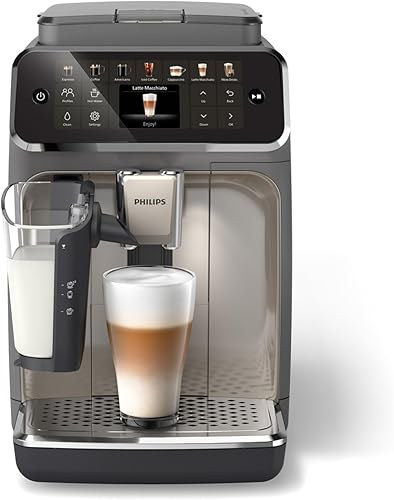
The 4400 LatteGo is where Philips starts to feel like a drink station instead of a simple espresso machine. The verified listing calls out 12 hot and iced presets, two profiles, QuickStart, and SilentBrew. That mix suits couples or roommates who do not order the same thing every morning.
Do not buy it just because the number is bigger. If you drink the same cappuccino daily, the 3200 is calmer on the wallet. Buy the 4400 when iced drinks, saved preferences, and a broader menu are things your household will press often.
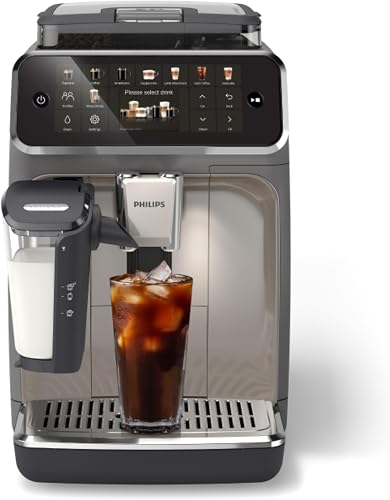
The 5500 LatteGo is the Philips machine for the household that treats the drink menu like a playlist. Its verified listing shows 20 hot and iced presets and up to 4 profiles, so it is built for people who want “my coffee” buttons rather than constant tweaking.
The downside is obvious: you are paying for choice. If two people will save profiles and rotate through iced drinks, lattes, and long coffees, the 5500 earns its spot. If everyone drinks the same coffee every morning, the extra buttons are mostly counter jewelry.

Baristina is the oddball, and that is the point. It is not a LatteGo superautomatic with cappuccino buttons. The verified listing frames it as a compact machine that grinds, tamps, and brews in one swipe, which makes it interesting for small kitchens that still want fresh beans.
Buy it only if compact fresh-bean espresso matters more than one-touch milk. If you want full control over dose and grind, a separate grinder still wins; our guides to the best burr grinders for espresso and espresso grind settings explain why.
The biggest mistake is buying the biggest Philips menu when you only make one drink. The second is assuming LatteGo makes the same silky microfoam as a manual steam wand. Philips machines are about easy, repeatable cups, not café-level milk art or full manual shot control.
The Philips 3200 Series LatteGo is the best Philips espresso machine for most homes. It covers the core drinks people make every week, keeps milk cleanup simple, and costs less than the premium 4400 and 5500 models.
The Philips 3200 is better for most value-focused buyers because it has the key LatteGo convenience without paying for newer extras. The Philips 3300 is better if quieter brewing and iced coffee presets matter more to you.
LatteGo is worth it if you want cappuccinos and latte macchiatos without cleaning a tube-style milk system. It is not the best choice if you want silky manual microfoam for latte art.
The Philips 3200 Series LatteGo is the best cappuccino pick for most people because it balances one-touch milk drinks and price. Choose the 2300 if you want fewer presets, or the 5500 if several people want saved drink preferences.
Philips says AquaClean can reduce descaling frequency when the filter is installed and activated as directed. Your exact timing depends on water hardness, filter use, and how many drinks you make.
No. Philips Baristina is a compact fresh-bean espresso machine with an integrated grind-tamp-brew workflow. It is not a full Philips LatteGo superautomatic and does not offer one-touch milk drinks.
Read these next if you are deciding between Philips convenience and a more manual espresso setup. They help you understand where superautomatics save effort, where separate gear gives more control, and when a cheaper machine is the smarter buy.