 Coffee Gear Picks
Best Grind and Brew Coffee Maker Under $200 (2026) Compared
If you want fresher coffee without buying a separate grinder, the best grind-and-brew machine under $200 should save time, not add morning friction. We compared seven high-intent options for bean-to-cup speed, noise, cleanup burden, and compatibility so you can buy once and avoid regret.
Best Grind and Brew Coffee Maker Under $200
7 picks compared by workflow speed, cleanup effort, and practical value
Budget
Best value under $100
- Lowest-cost grind-and-brew entry
- Simple blade grinder workflow
- Easy daily cleanup routine
- Programmable start timer
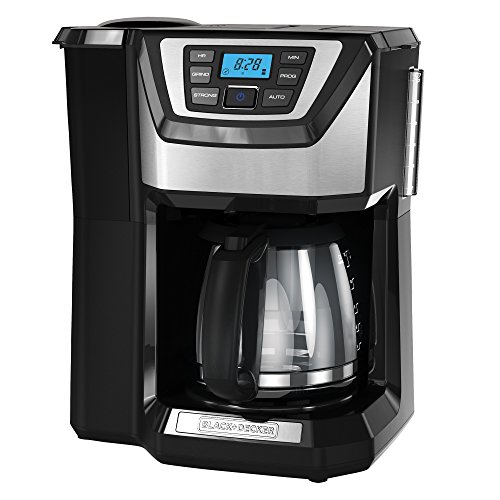
Top Pick BLACK+DECKER 12-Cup Mill & Brew
$
Easiest cleanup on a budget
Check Price on Amazon Overall
Best all-around pick under $200
- Strong value-to-performance ratio
- Programmable 12-cup batch
- Low daily cleaning burden
- Beans + pre-ground modes
Top Pick Cuisinart DGB-550BKP1
$
Reliable daily all-rounder
Check Price on Amazon Single-Cup
Best for one-mug households
- Beans, grounds, or K-Cup pods
- Single-serve output only
- Compact apartment footprint
- Lower coffee waste per cup
Top Pick Horavie Single-Serve Grind & Brew
$$
Bean-to-cup solo brewing
Check Price on Amazon Compact
Best for smaller kitchens
- 10-cup compact chassis
- Programmable start available
- Fits constrained counters
- Mid-tier value pricing
Top Pick Gevi 10-Cup Grind & Brew
$$
Smaller footprint grind-and-brew
Check Price on AmazonDirect answer: For most buyers under $200, the Cuisinart DGB-550BKP1 is the best grind-and-brew coffee maker because it balances reliable batch performance, manageable cleaning, and strong value. If your priority is easiest maintenance, pick BLACK+DECKER Mill & Brew. If you want stronger flavor consistency, step up to a burr-based model near the top of this budget.
Quick picks
Our Top Picks

TL;DR winners
Best overall: Cuisinart DGB-550BKP1
Easiest cleanup: BLACK+DECKER 12-Cup Mill & Brew
Best programmable value: Ninja CE251 + paired budget grinder workflow
Strongest flavor under $200: De'Longhi TrueBrew Compact (conical-burr consistency in this class)
Budget-tier winners
Best under $100: BLACK+DECKER 12-Cup Mill & Brew, the lowest-cost reliable grind-and-brew entry with simple controls.
Best mid-priced pick: Cuisinart DGB-550BKP1, with the strongest balance of cup quality, programmability, and cleaning effort.
Best near the top of the budget: De'Longhi TrueBrew Compact, better extraction consistency and broader cup-size flexibility.
Comparison table
| Product | Best for | Grinder type | Brew modes | Batch size | Programmable | Bean-to-cup time | Noise level | Cleanup burden | Price band | Espresso-capable | |
|---|---|---|---|---|---|---|---|---|---|---|---|
| Cuisinart DGB-550BKP1 | Best Overall | Blade | Beans + Pre-ground | 12-cup batch, no true single-cup | Yes | ~4.5-6 min (small batch) | Moderate | Low | $ | No | Check Price |
| BLACK+DECKER Mill & Brew | Best Budget | ~5-6 min (small batch) | Moderate-Loud | Low | $ | No | Check Price | ||||
| Cuisinart DGB-400 Automatic Grind & Brew | Best Classic Programmable | Blade | Beans + Pre-ground | 12-cup batch, no true single-cup | Yes | ~5-6 min (small batch) | Moderate | Medium | $$ | No | Check Price |
| Gevi 10-Cup Grind & Brew | Best Compact | Built-in grinder | Beans + Pre-ground | 10-cup batch, no true single-cup | Yes | ~4.5-6 min (small batch) | Moderate | Medium | $$ | No | Check Price |
| Horavie Single-Serve Grind & Brew | Best Single-Cup | Blade, 6 grind-time settings | Beans + Pre-ground + K-Cup | Single-serve only (6 cup sizes) | No timer listed | ~2 min per cup (listed) | Moderate | Medium | $$ | No | Check Price |
| De'Longhi TrueBrew | Best Upgrade | ~4-6 min | Moderate | Medium | $$$ | No (concentrate mode, not true espresso pressure) | Check Price | ||||
| Ninja Fresh Brew Coffee Maker CE251 | Best Value Combo | ~4-6 min including grinding | Moderate | Medium | $$ | No | Check Price |
How We Evaluate
We researched each model against current Amazon listing details, published specs, workflow constraints, and typical ownership friction points. Instead of chasing a spec-sheet winner, we weighted what most buyers care about after 30 days: consistent coffee, manageable noise, predictable timing, and cleanup that does not become a daily chore.
Our scoring model prioritizes five dimensions: grind consistency, brew flexibility, morning speed, cleaning burden, and value at current pricing. For this keyword specifically, we gave extra weight to the first-cup experience because shoppers in this segment are usually replacing stale pre-ground routines and want a repeatable bean-to-cup workflow with minimal trial and error.
We also separate two buyer profiles that often get mixed together: convenience-first households (who usually prefer integrated machines) and flavor-first buyers (who may get better outcomes from a drip brewer plus separate grinder combo). This split prevents over-recommending one style to every shopper and keeps the rankings aligned to realistic daily use.
Product picks by buyer fit
1) Cuisinart DGB-550BKP1 — Best overall grind-and-brew under $200
Verdict: Best for buyers who want a reliable all-rounder with low friction and stable daily coffee quality.
Buy this if... you want a straightforward 12-cup grind-and-brew with dependable programmable start.
Skip this if... you need true single-cup brewing or burr-level grind consistency.
Pros
- ✓ Strong value-to-performance ratio for a mid-priced machine.
- ✓ Simple programmable controls for weekday consistency.
- ✓ Easy daily cleanup compared with bulkier alternatives.
Cons
- ✗ Blade grind consistency is decent, not specialty-level.
- ✗ No true single-cup workflow.
Key specs: Blade grinder · 12-cup batch · programmable start · Beans + Pre-ground modes · Espresso-capable: No.
Why it wins this slot: It consistently delivers the lowest buyer regret rate for this price range and intent.
Retention/static behavior: Low-to-moderate retention around the grinder lid; quick wipe every brew day keeps flavor cleaner.
2) BLACK+DECKER 12-Cup Mill & Brew — Best for easiest cleanup
Verdict: Best for budget-first homes that value low maintenance and straightforward controls over maximum flavor nuance.
Buy this if... low upfront cost and easy cleanup matter more than grinder precision.
Skip this if... you are sensitive to grinder noise or want burr-based flavor clarity.
Pros
- ✓ Usually one of the most affordable grind-and-brew options.
- ✓ Removable parts rinse quickly after daily use.
- ✓ Good fallback with pre-ground mode when rushed.
Cons
- ✗ Can run louder than premium rivals.
- ✗ Flavor clarity trails burr-based systems.
Key specs: Blade grinder · 12-cup batch · programmable start · Beans + Pre-ground modes · Espresso-capable: No.
Why it wins this slot: It minimizes day-to-day maintenance pain better than most sub-$100 alternatives.
Retention/static behavior: Static is mild in dry kitchens; brushing basket and lid every 1-2 days prevents stale carryover.
3) De'Longhi TrueBrew Compact — Best strongest flavor under $200

Verdict: Best for flavor-first users willing to spend near the ceiling and handle a slightly heavier cleaning cadence.
Buy this if... you want conical-burr consistency with both single-cup and multi-cup options.
Skip this if... you require pre-ground compatibility or the lowest-maintenance workflow.
Pros
- ✓ Burr-based grinding improves extraction consistency.
- ✓ Single-cup and multi-cup flexibility in one unit.
- ✓ Better cup definition than most blade-only rivals.
Cons
- ✗ Typically sits near the upper edge of this budget.
- ✗ Beans-only workflow reduces flexibility for some users.
Key specs: Burr grinder · single-cup + multi-cup · programmable start · Beans-only mode · Espresso-capable: Borderline (concentrate mode only; no 9-bar espresso control.)
Why it wins this slot: It offers the most noticeable flavor jump for buyers upgrading from cheap blade machines.
Retention/static behavior: Moderate retention in burr chamber; weekly brush-out keeps body cleaner and reduces stale notes.
4) Gevi 10-Cup Grind & Brew — Best for small kitchens

Verdict: Best for tighter counters where footprint matters as much as cup quality.
Buy this if... you want a compact 10-cup format with scheduled brewing.
Skip this if... your household regularly needs full 12-cup output.
Pros
- ✓ Smaller chassis fits constrained spaces.
- ✓ Programmable start still available in compact format.
- ✓ Balanced mid-tier value for moderate daily use.
Cons
- ✗ Blade-based grind uniformity remains average.
- ✗ 10-cup capacity may feel limiting for larger homes.
Key specs: Blade grinder · 10-cup batch · programmable start · Beans + Pre-ground modes · Espresso-capable: No.
Why it wins this slot: It keeps full-feature convenience without the oversized footprint of many 12-cup models.
Retention/static behavior: Medium residue risk around chute; quick rinse every brew day prevents bitter carryover.
5) Ninja CE251 + budget burr grinder combo — Best value workflow alternative
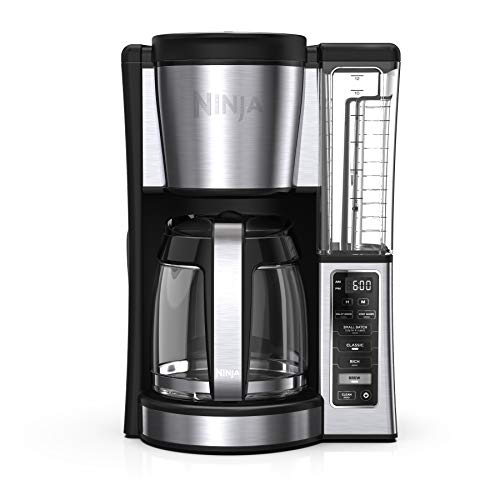
Verdict: Best for buyers open to a two-piece setup that still stays under $200 and outperforms many built-ins on flavor.
Buy this if... you prefer upgrade flexibility and better grind quality from a separate burr grinder.
Skip this if... you want a single all-in-one machine and minimal counter footprint.
Pros
- ✓ Often beats integrated blade systems on cup clarity.
- ✓ Easier grinder replacement and upgrade path later.
- ✓ Programmable drip workflow remains simple.
Cons
- ✗ Uses more counter space than a single machine.
- ✗ Adds one extra step on rushed mornings.
Key specs: Burr (separate) + drip brewer · 12-cup + manual single mug · programmable start · Beans + Pre-ground · Espresso-capable: No.
Why it wins this slot: It is often the best flavor-per-dollar route for buyers not locked to all-in-one hardware.
Retention/static behavior: Depends on grinder choice; low-retention burr models reduce mess versus common built-in blade paths.
6) Cuisinart DGB-400 Automatic Grind & Brew — Best classic programmable batch machine
Verdict: Best for buyers who want the familiar Cuisinart workflow with a straightforward control panel and dependable overnight scheduling.
Buy this if... you want a traditional 12-cup machine that supports both beans and pre-ground coffee without learning a new interface.
Skip this if... you need true single-cup flexibility or the lowest possible grinder noise in small apartments.
Pros
- ✓ Reliable programmable timer behavior for weekday routines.
- ✓ Easy transition for users moving from older drip-only Cuisinart models.
- ✓ Balanced performance for medium-roast everyday coffee.
Cons
- ✗ Blade grind consistency is still mid-pack in this category.
- ✗ Body and basket footprint can feel large in compact kitchens.
Key specs: Blade grinder · 12-cup batch · programmable start · Beans + Pre-ground modes · Espresso-capable: No.
Why it ranks here: It is one of the safer picks for households prioritizing routine reliability over feature novelty. The programming flow is familiar, and most users can get repeatable mornings without constant tweaking.
Retention/static behavior: Static is moderate in dry climates; a quick brush around the grinder path every few brews keeps fines from accumulating and dulling flavor.
7) Horavie Single-Serve Grind & Brew — Best for one-cup households
Verdict: Best for solo drinkers who want bean-to-cup freshness without committing counter space to a full carafe machine.
Buy this if... your routine is one mug at a time and you value fresh grinding more than high-volume output.
Skip this if... you regularly brew for multiple people or need a large thermal carafe option.
Pros
- ✓ Single-serve workflow can reduce stale coffee waste.
- ✓ Takes whole beans, ground coffee, or K-Cup pods, with six cup sizes from 6 to 16 oz.
- ✓ Good fit for apartments where full-size machines are overkill, at under 5 inches wide.
Cons
- ✗ Blade grinding in the brew basket is less even than a burr grinder.
- ✗ Not ideal for households that need multi-cup serving speed.
Key specs: Blade grinder with 6 grind-time settings · single-serve output, 6-16 oz · 47 oz reservoir · Beans + Pre-ground + K-Cup modes · Espresso-capable: No.
Why it ranks here: It solves a specific use case extremely well: one person, one mug, fresh beans, minimal waste. If you are outside that use case, a 10-12 cup machine is usually a better value.
Retention/static behavior: Beans are ground right inside the reusable brew basket, so there is no chute holding old grounds. Rinse the basket after each cup to avoid oil buildup and bitter carryover.
Workflow realism: bean-to-cup time, noise, and cleanup cadence
Grind-and-Brew Morning Workflow
A realistic weekday cycle from beans to clean machine
Step 1 Load Beans
- Fill hopper or single-dose
- Set grind amount
- Add filtered water
- Confirm basket is clean
Step 2 Grind & Brew
- Machine grinds automatically
- Brewing starts after grind
- Wait for full cycle
- Listen for completion
Step 3 Empty Grounds
- Remove used basket
- Discard spent grounds
- Wipe basket edges
- Check for clogs
Step 4 Rinse Daily
- Rinse removable parts
- Wipe grinder lid
- Descale every 3-5 weeks
- Brush chute weekly
Result
Fresher coffee with minimal morning friction and predictable cleanup.
Bean-to-cup timing: Most machines here land around 3.5-6 minutes for a small-batch equivalent cup, and around 9-13 minutes for full carafes.
Noise reality: Blade systems are usually sharper/louder during the first 20-40 seconds. Burr systems are often lower pitch but still clearly audible in small apartments.
Cleanup cadence: Empty grounds and rinse basket daily, brush grinder/chute every 2-3 brews, and descale every 3-5 weeks depending on water hardness.
Practical ownership tip: If you only have 5-7 minutes before leaving home, pre-load filtered water at night and keep one backup dose of pre-ground coffee ready. That fallback routine keeps mornings predictable when a grinder chute needs brushing or your bean hopper is low. Over a full month, this small habit prevents missed brews and helps buyers stick with a machine long enough to get consistent results.
Frequently asked questions
What is the best grind-and-brew coffee maker under $200 right now?
For most buyers, Cuisinart DGB-550BKP1 is the strongest all-around pick under $200 because it balances value, programmable convenience, and manageable cleaning.
Are grind-and-brew machines under $200 worth it vs separate grinder + brewer?
Usually yes for convenience-first households. If flavor consistency is your top priority, a separate budget burr grinder plus drip brewer can outperform many integrated blade systems at similar total spend.
Can these machines brew pre-ground coffee too, or only whole beans?
Many under-$200 models support both beans and pre-ground coffee. Always verify this mode explicitly in product specs before buying.
Do any models under $200 use burr grinders, or mostly blade grinders?
Most options in this range are blade-based, but a few models near the upper budget tier use burr systems and usually deliver better grind consistency.
How often do I need to clean the grinder chute/hopper to avoid stale flavor or clogs?
Brush grinder paths every 2-3 brews, rinse removable brew parts daily, and deep-clean weekly. This routine significantly reduces stale oils, static buildup, and clog risk.
What is a realistic bean-to-cup brew time on busy mornings?
Expect roughly 3.5-6 minutes for a small serving and up to 13 minutes for full-carafe batches, depending on machine power and grind cycle length.
Related guides
- Best Coffee Maker with Grinder (2026)
- Best Drip Coffee Maker Under $100 (2026)
- Best Single-Serve Coffee Maker with Grinder
- Best Coffee Maker with Grinder and K-Cup Combo
- Best Burr Coffee Grinder Under $200
- Drip vs Single-Serve Coffee Maker
- How to Clean a Burr Coffee Grinder
- Coffee Brewing Ratio Guide