 Coffee Gear Picks
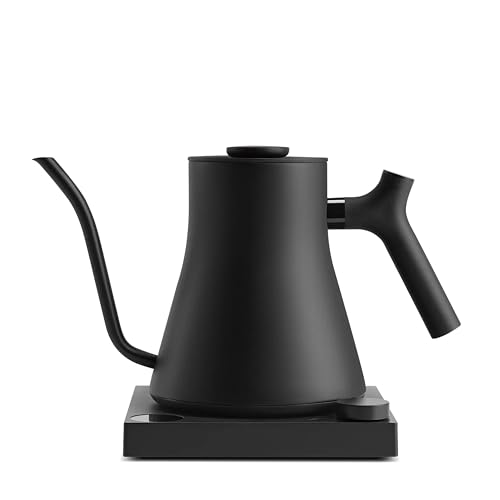
Gooseneck Kettle Dripping? Fixes for Spout & Lid (2026)
Gooseneck kettle dripping? Find where the water starts: the spout tip, lid rim, or body seam and base. A few leftover drops are different from an active leak.
Find the drip before fixing it
Check safely, then follow the water trail
Step 1 Make it safe
- Disconnect power safely
- Let the kettle cool
Step 2 Locate the source
- Check tip and lid
- Inspect seams and underside
Step 3 Choose the next action
- Clean only as directed
- Stop for structural or electrical leaks
Result
A small pouring nuisance needs a different response from a leaking kettle.
Where is the water coming from?
Spout tip: inspect residue and how you end the pour. Lid or rim: check seating and fill level. Seam or base: stop using it. Unplug and cool electric kettles before maintenance. Never submerge the base or open the housing; water reaching electrical parts means no further home checks.
If the kettle isn't your only workflow headache, our Best Pour Over Accessories (2026): 6 Worth Buying covers kettles, scales, and drippers for a more complete setup.
What you'll need before cleaning
Gather your model manual, a soft cloth, and clean water. Add a cleaner only if the manual approves it. You don't need repair tools for these checks: the goal is to remove residue and spot damage, not take the kettle apart. Let every hot surface cool first.
- Manual: check cleaner, rinse, and fill instructions.
- Soft cloth: use on accessible surfaces, without scraping.
- Dry workspace: keep electrical parts away from rinse water.
Safe fixes for spout and lid drips
Start with the cool kettle off its electrical base. Inspect the wet area's source, clean only accessible surfaces as your manual directs, and rinse fully. Try a controlled cool-water pour only if there is no structural damage or electrical concern. Don't heat a suspect kettle just to reproduce a leak.
1. Clean the spout tip gently
Look for chalky mineral residue around the lip. Gently clean it using the manual's method, rinse completely, and dry the outside. InstaCuppa's troubleshooting article points to buildup or a rough tip as possible drip causes. Don't file, bend, or sand the spout.
2. Finish the pour with a small tilt-back
Bring the kettle gently back toward upright as the stream ends, rather than leaving it tipped forward. InstaCuppa recommends this tilt-back technique. Keep it small and controlled, not a wrist snap that sends hot water splashing. Try it with cool water first.
3. Check the lid and fill line
Reseat the cool lid. Following Fellow's kettle care guide for lid-area cleaning, remove accessible residue around the lid and rim. Inspect any gasket for tears or distortion without pulling apart sealed pieces. Fill below your model's maximum mark. Condensation under a lid alone isn't proof that its seal has failed.
Serious Eats reported lid dripping when one reviewed kettle was full. That's a useful reason to check fill level, not evidence that every kettle has the same fault.
Don't force a fix
Avoid poking wire into the narrow spout or using abrasive pads on its lip. Neither is a sensible shortcut for scale. Don't assume vinegar, baking soda, or a bottle brush suits your model, either. Check approved care instructions before putting any cleaner or tool inside the kettle.
Sputtering stream or a puddle underneath?
Sputtering calls for a care check; a structural leak calls for stopping. Scale or residue could explain an uneven stream, but the symptom alone cannot tell you the cause. Water escaping a seam, spout joint, or underside is not an invitation to try stronger cleaner or another heating cycle.
Stream still sputters
Food & Wine's gooseneck-kettle guide recommends periodic descaling to keep mineral deposits from clogging the spout. Use only your manual's cleaner, dilution, contact time, and rinsing procedure. If that doesn't help, contact the maker.
Water reaches a seam, base, cord, or controls
Stop use and disconnect power only if safe. Don't touch a wet plug or outlet. Once safe and cool, photograph the leak location and contact the manufacturer with your model and purchase details for warranty guidance. No household glue, sealants, or improvised electrical repairs.
When replacement makes sense
Replace only after the safety decision or manufacturer guidance, not because a final drop annoys you. If you need a new kettle, compare electric and stovetop options in Best Gooseneck Kettle for Pour Over (2026): 5 Smart Picks, covering flow control, temperature, and use case.
Rethinking the brewer too? Best Pour Over Coffee Maker (2026): 6 Top Picks compares drippers and brewer formats. A replacement kettle doesn't need to mean replacing the whole setup.
Frequently asked questions
Is a few drops from a gooseneck spout normal?
A few drops after you finish pouring can be retained water, not a leaking body. InstaCuppa recommends checking the spout tip and using a small tilt-back. If water keeps appearing while the kettle stands upright, locate its source before using it again.
Why does my gooseneck kettle sputter?
Scale or residue is one possible cause, not a diagnosis. Food & Wine recommends periodic descaling and keeping the spout clear. Follow your model manual for the cleaner and rinse cycle; if sputtering persists, ask the manufacturer rather than poking tools into the spout.
Why does water drip from my kettle lid?
Check lid seating, rim residue, fill level, and any gasket first. Fellow’s care guide covers lid-area cleaning; Serious Eats also reported lid dripping when one reviewed kettle was full. Let yours cool, clean as directed, and stay below its marked maximum before checking again.
Can I use vinegar to fix kettle drips?
Use vinegar only if your model manual allows it, at the stated dilution and contact time. Food & Wine identifies mineral deposits as a reason for periodic descaling, but that does not make every cleaner suitable. Rinse completely according to the manual afterward.
Can I keep using an electric kettle with a wet base?
Stop using it until the cause is resolved. Water near the connector, cord, or controls needs manufacturer advice, not another heating cycle. Disconnect power only if safe; if the plug or outlet is wet, avoid touching it and get qualified help.
Should I replace a kettle that leaks at a seam?
Stop using a kettle that releases water through a body seam or spout joint. Take photos once it is cool and disconnected, then contact the manufacturer about warranty service or replacement. Do not patch it with household glue or sealant, even on a stovetop model.