 Coffee Gear Picks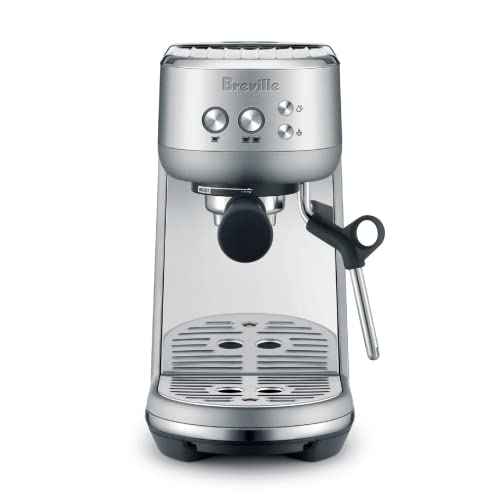
Best Espresso Machine Budget Picks (2026)
The best espresso machine budget pick for most homes is the Breville Bambino because it combines fast heat-up, compact size, PID temperature control, and beginner-friendly steaming without jumping into prosumer pricing.
If you want the cheapest possible path, look at the De'Longhi Stilosa. If you want a machine you can tinker with for years, the Gaggia Classic Evo Pro, Thunder Black is the stretch pick.
Budget Espresso Machines Worth Shortlisting
Ranked by shot control, milk workflow, counter space, upgrade path, and true total cost
Overall
Fast mornings without the prosumer price tag
- ThermoJet heat-up
- PID temperature control
- Low-pressure pre-infusion
- Compact body
Top Pick Breville Bambino
$$$
Best balance for most homes
Check Price on Amazon Cheapest
For spending as little as possible
- Manual steam wand
- 15 bar pump pressure
- Compact body
- Simple starter kit
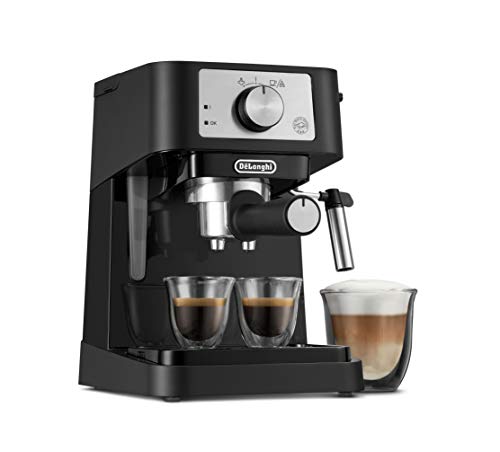
Top Pick De'Longhi Stilosa
$
Low-cost latte starter
Check Price on Amazon Manual
Pull the lever and control the shot yourself
- No electricity
- Lever pressure control
- Built-in pressure gauge
- Folds for travel
Top Pick Flair 2GO
$$
Lever espresso control
Check Price on Amazon Upgrade
For growing into better grinders and accessories
- 58 mm portafilter
- 9 bar pressure
- Commercial steam wand
- Three-way solenoid valve
Top Pick Gaggia Classic Evo Pro
$$$
Most room to grow
Check Price on AmazonQuick answer: Buy the Breville Bambino if you want the least annoying daily espresso routine. Buy the De'Longhi Stilosa if every dollar matters, the Flair 2GO if you want manual control, and the Gaggia Classic Evo Pro, Thunder Black if you already know espresso will become a hobby.
Quick picks
Our Top Picks

Which budget espresso machine should you compare first?
Start with the Breville Bambino, then compare down or up based on your patience. The Stilosa saves cash, the CASABREWS adds helpful visual cues, the Flair gives you lever control, the Dedica saves counter width, and the Gaggia is the better long-term hobby machine.
| Product | Best for | Price band | Key spec | Verdict |
|---|---|---|---|---|
| Breville Bambino | Most budget-focused home espresso buyers | $$$ | Compact footprint with PID and fast heat-up | Best balance of speed, size, and beginner control. |
| De'Longhi Stilosa | Beginners spending as little as possible | $ | The cheapest sensible starting point for milk drinks. | |
| CASABREWS CM5418 | Feature seekers on a tight budget | $$ | Built-in pressure gauge and 20-bar listed pump | Lots of visible features without a scary price jump. |
| Flair 2GO | Control-focused buyers who do not need a steam wand | $$ | Best if you want lever control, a gauge, and no milk steaming. | |
| De’Longhi Dedica EC680M | Small kitchens and narrow counters | $$$ | The narrow-counter pick that still feels polished. | |
| Gaggia Classic Evo Pro | Hobbyists who want a machine they can grow into | $$$ | Commercial steam wand and three-way solenoid valve; no built-in PID claimed | A sturdy upgrade path for patient espresso hobbyists. |
How did we choose these budget espresso machines?
We compared budget espresso machines by the parts you feel every morning: shot control, heat stability, milk steaming, counter footprint, upgrade path, and the real cost once you add a grinder. A cheap machine stops being cheap if it needs three fixes before breakfast.
Shot control matters because espresso is touchy. Grind a little too coarse and the shot runs thin and sour; grind too fine and it drips like cold honey. Pressurized baskets are more forgiving for beginners, while non-pressurized setups reward a better grinder and steadier technique.
Heat matters too. Serious Eats notes that PID temperature control helps machines stay more consistent, which is why the Bambino looks strong spec-for-spec. CNN Underscored frames budget espresso around roughly the under-$350 class, but this list also includes one upgrade-minded pick for buyers who can stretch.
Which budget espresso machine is best for each kind of buyer?
Match the machine to your morning routine. Milk-drink people need steam that does not feel like a chore. Straight-espresso people need control. Tiny-kitchen people need width. Beginners need a setup that forgives imperfect grinding and tamping.
1) Breville Bambino — Best Overall
The Bambino is the one I would point most friends toward because it removes two classic beginner headaches: waiting around and guessing about temperature. The ThermoJet system is built for quick heat-up, and PID control helps keep the water from wandering all over the place.
It is not the cheapest machine here, but it is often the cheapest way to get a smooth, repeatable workflow, especially if you mostly make cappuccinos, flat whites, or Americanos before work. Pair it with a capable espresso grinder and it has room to grow.
Pros
- ✓ Fast heat-up for weekday use
- ✓ PID control and pre-infusion at a budget-friendly tier
- ✓ Compact footprint for apartment counters
Cons
- ✗ Costs more than ultra-cheap starter machines
- ✗ Still needs a capable grinder for best results
2) De'Longhi Stilosa — Best Cheap Pick
The Stilosa is the “I just want to start” machine. Coffee Chronicler positions it as a favorite in the very low-cost espresso class, and that tracks: you get a pump machine, a manual steam wand, and a small footprint without paying Bambino money.
The tradeoff is patience. Expect a more manual routine and less polish. If your goal is decent morning lattes and you are okay learning slowly, it is a smart cheap pick. If you want fast, repeatable shots with fewer little rituals, save for the Bambino.
Pros
- ✓ Lowest-cost sensible pick in this group
- ✓ Manual steam wand for lattes and cappuccinos
- ✓ Compact enough for small kitchens
Cons
- ✗ More fussy than the Bambino
- ✗ Included starter accessories are basic
3) CASABREWS CM5418 — Best Features for the Money
The CASABREWS CM5418 is for people who like feedback. The built-in pressure gauge gives you something to watch while the shot runs, which can make the process feel less mysterious than a plain black box humming on the counter.
I would not buy it just because the pressure number sounds big. Espresso quality still comes down to fresh beans, grind size, dose, and how evenly you tamp. But for the price band, the removable tank, gauge, and steam wand make it a compelling “features-first” choice.
Pros
- ✓ Pressure gauge helps beginners see what is happening
- ✓ Slim stainless-style body for the money
- ✓ Steam wand included for milk drinks
Cons
- ✗ Gauge does not replace good grind control
- ✗ Brand has less long-term espresso reputation than Breville or Gaggia
4) Flair 2GO — Best Manual Control

The Flair 2GO is not a push-button machine. You boil water, load the stainless brew cylinder, and use the lever to create pressure yourself while the built-in gauge shows where you are. It is a ritual-first way to make espresso, and the frame folds down into a carrying case when you are done.
Buy it if you drink straight espresso and enjoy tweaking the process. Skip it if your dream drink has silky milk foam, because there is no steam wand here. It also asks more from your grinder; the bottomless portafilter has no pressurized basket to hide behind, so grind mistakes show up fast.
Pros
- ✓ No electricity required
- ✓ Pressure gauge makes the lever easier to learn
- ✓ Folds down for storage or travel
Cons
- ✗ No milk steaming
- ✗ Slower and more manual than pump machines
5) De’Longhi Dedica EC680M — Best Slim Design

The Dedica is the narrow-counter problem solver. At about six inches wide, it fits where chunkier machines make your toaster homeless. If your kitchen already feels like a game of appliance Tetris, that slim body is the main reason to buy it.
It is not the value champ against the Bambino if your counter has room, because you are paying partly for the shape. Still, for apartments or cramped coffee corners, the Dedica makes espresso possible without taking over the whole counter.
Pros
- ✓ Very slim body for tight counters
- ✓ Stainless steel exterior
- ✓ Manual frother and adjustable tray
Cons
- ✗ Shape is the main advantage over some rivals
- ✗ Less upgrade-minded than the Gaggia
6) Gaggia Classic Evo Pro — Best Upgrade Path

The Gaggia is the pick for someone who already knows they will buy a better grinder later. Wirecutter describes the Gaggia Classic line as capable of complex shots but less beginner-easy than Breville-style options, which is the exact tradeoff here.
It has the grown-up espresso cues: a 58 mm portafilter, 9 bar pressure, a commercial steam wand, and a three-way solenoid valve. The downside is weight, cost, and a steeper learning curve. Buy it for the long road, not for instant convenience.
Pros
- ✓ Best upgrade path in this budget-focused group
- ✓ 58 mm commercial portafilter
- ✓ Commercial steam wand and three-way solenoid valve
Cons
- ✗ More expensive and heavier than beginner picks
- ✗ Less forgiving for casual users
Frequently asked questions
What is the best budget espresso machine for most people?
The Breville Bambino is the best budget espresso machine for most people. It heats quickly, has PID temperature control, fits small counters, and keeps the milk workflow friendly enough for beginners without jumping into serious hobbyist pricing.
Can a cheap espresso machine make real espresso?
Yes, but cheap machines often lean on pressurized baskets and forgiving workflows. That can make tasty, crema-topped drinks, but it may not give the same control as a non-pressurized setup with a strong grinder and careful puck prep.
Is the Breville Bambino worth it over the De'Longhi Stilosa?
Yes for most people. The Bambino costs more, but its fast heat-up, PID temperature control, and low-pressure pre-infusion make weekday espresso less fussy. Choose the Stilosa if the lowest price matters more than speed and polish.
Do I need a grinder for a budget espresso machine?
You need a good grinder if you want espresso to taste sweet, thick, and balanced. Pre-ground coffee can work in pressurized baskets, but a burr grinder gives you the control to slow down or speed up the shot.
What is the best budget espresso machine for milk drinks?
The Breville Bambino is the best budget pick for milk drinks because the steaming workflow is quick and beginner-friendly. The De'Longhi Stilosa can also make lattes and cappuccinos, but it asks for more patience and practice.
Is the Gaggia Classic Evo Pro, Thunder Black still a budget machine?
It is budget only compared with prosumer machines, not compared with entry-level picks. The Gaggia Classic Evo Pro, Thunder Black costs more and feels less automatic, but it makes sense if you want a machine that can grow with a better grinder.
Which related guides help with budget espresso?
The machine is only one piece of the espresso puzzle. These guides help you avoid the classic budget trap: buying a shiny machine, feeding it uneven grounds, and wondering why the shot tastes like lemon peel and burnt toast.
- Best espresso machine under $200: a narrower guide if the Bambino and Gaggia stretch too far.
- Best burr grinder for espresso: the best next purchase after the machine.
- Best hand grinder for espresso under $100: strong value if you do not mind cranking by hand.
- Burr grinder settings for espresso: a plain-English guide to fixing sour or bitter shots.
- Best coffee scale for espresso and pour over: small scales that make dosing repeatable.