 Coffee Gear Picks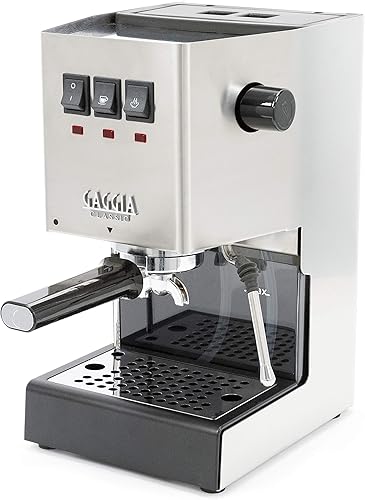
Best Espresso Machine Pressure: 9 vs 15 Bar
What is the best espresso machine pressure for home espresso?
The best espresso machine pressure for home espresso is about 9 bars at the coffee puck (the coffee bed). That’s the conventional extraction target, and it’s more useful than chasing the biggest pump number on the box. Espresso Academy explains why 9 bars is the long-running standard, and why pressure regulation matters most.
Top pick: Gaggia Classic Evo Pro because its listing verifies 9-bar espresso extractions and a 58mm commercial portafilter, which makes its pressure claim clearer than most consumer 15-bar marketing.
- Price band: $$
- Verified output pressure: 9 Bars
- Portafilter size: 58mm commercial portafilter
- Capacity: 2.1 liters
- Materials/key build: Brass, Plastic, Stainless Steel
Which pressure-rated espresso machines are worth comparing?
Start by comparing machines based on what they actually explain about pressure: is the number brew pressure at the puck, a pump maximum, or a feature like pre-infusion? The table below pulls the most buyer-relevant pressure-related specs from manufacturer/Amazon listings so you can sanity-check the marketing fast.
| Product | Best for | Price band | Key spec | Verdict |
|---|---|---|---|---|
| Gaggia Classic Evo Pro | Shoppers who want a clearly specified 9-bar semi-automatic machine | $$ | 9 Bars | Clearest 9-bar pressure claim in this group. |
| Breville Bambino Plus | Compact kitchens that still need pressure pre-infusion and fast heat-up | $$ | Low pressure pre-infusion gradually increases pressure | Compact and fast, with pre-infusion to smooth out extraction. |
| Breville Barista Express | Buyers who want pressure pre-infusion and a built-in grinder | $$$ | Low pressure pre-infusion gradually increases pressure | Best if you want pre-infusion and a built-in grinder in one footprint. |
| De’Longhi Dedica EC680M | Narrow countertops and buyers comparing 15-bar pump machines | $ | 15 Bars | Slim 15-bar option, but treat it as a pump spec unless the listing clarifies brew pressure. |
| Rancilio Silvia | Enthusiasts comparing pressure stability and heavier machine build | $$$ | Single 12-ounce brass boiler | A heavier, more “prosumer-leaning” build for buyers prioritizing longevity and serviceability. |
| De'Longhi La Specialista Arte Evo | Buyers who want a listing that explains 15-bar pump and 9-bar extraction | $$$ | 15 bar Italian pump; Optimal 9 bar of high pressure during extraction | Most transparent about pump pressure vs extraction pressure. |
If you want one simple rule: prefer listings that either (1) state 9-bar output/extraction directly (like the Gaggia) or (2) clearly separate pump pressure from extraction pressure (like the La Specialista Arte Evo). Those two styles are the least confusing for shoppers.
What budget tier gets reliable espresso pressure?
Stable pressure and stable temperature are the same purchase in practice, which is why dual boiler machines dominate the top of this category. For most shoppers, reliable pressure becomes easier to find once you’re shopping in the midrange, because listings tend to be clearer about regulation, heating, and workflow. Under $200 you’ll see more pump-pressure marketing and more reliance on pressurized baskets to make “espresso-like” results easier.
| Budget tier | What you usually get | Pressure expectation | Best fit |
|---|---|---|---|
| Under $200 | Compact machines, pressurized baskets, fewer controls | Often 15-bar pump claims, less detail on puck pressure | Casual milk drinks and tight budgets |
| $200–$500 | Better steam, faster heating, compact semi-automatic machines | More credible beginner pressure performance | First serious home setup |
| $500–$1,000 | Integrated grinders or prosumer-style parts | More meaningful pressure and control claims | Daily espresso and dialing in |
| $1,000+ | Heavier build, PID, dual boiler, or adjustability depending on model | Best chance of stable, adjustable pressure | Enthusiasts who know what they want |
Above the midrange you move into prosumer territory, where rotary pumps and plumbed lines make pressure a specification rather than a marketing number. One more reality check: a $1,000+ machine won’t taste “better” on day one if the grinder and puck prep are inconsistent. Budget for the grinder and a scale, then treat pressure as the spec you use to avoid misleading listings.
What pressure mistakes make espresso taste worse?
Most pressure mistakes come from treating espresso like a strength contest. More bars don’t guarantee more flavor. The goal is controlled pressure paired with a puck that offers even resistance, plus stable temperature and a grinder that lets you make small, repeatable changes.
- Buying “20 bar” because it sounds stronger. That’s often a pump maximum. It’s not a direct indicator of brew pressure or shot quality.
- Ignoring grinder quality. If the grind is inconsistent, water will gush or choke—no pressure spec fixes that.
- Using a pressurized basket and expecting café-style feedback. Pressurized baskets are forgiving, but they hide distribution and grind issues that matter for traditional espresso.
- Chasing crema instead of balance. Crema is easy to overvalue; sweetness and clarity are better indicators of a dialed-in shot.
- Trying to “solve” taste by changing pressure first. Adjust grind, dose, distribution, and shot time before you blame the pump.
Which related guides should readers use next?
If pressure specs are confusing, you’re not alone. The fastest way forward is to pair a sensible machine with a grinder that can actually do espresso, then use shot time and taste to dial in. These guides help you pick the right next step.
- Best Espresso Machine Under $200 — budget machines where pump-pressure claims need careful reading.
- Best Burr Grinder for Espresso — grinders that adjust fine enough for real espresso dialing-in.
- Burr Grinder Settings for Espresso — how to fix fast/sour and slow/bitter shots systematically.
- Best Hand Grinder for Espresso Under $100 — manual options when the budget is tight but grind quality still matters.
Frequently asked questions
How many bars do you need for espresso?
For traditional espresso, you’re generally aiming for about 9 bars at the coffee puck. That doesn’t require a “9-bar pump” on the box—many machines use higher-rated pumps and regulate down during extraction. What matters is stable, controlled pressure at the puck.
Is a 15 bar espresso machine good?
It can be. “15 bar” is often a maximum pump rating, not a promise of 15 bars during brewing. A 15-bar machine is more convincing when the listing also mentions regulated brew pressure, pre-infusion, and the basket type it’s designed to use (pressurized vs non-pressurized).
Is 20 bar better than 15 bar for espresso?
Not usually. Espresso doesn’t improve just because the pump can hit a higher maximum number. If extra pressure reaches the puck uncontrolled, it can increase channeling and harsh flavors. Treat 20-bar claims as marketing unless the machine explains how it regulates extraction pressure.
What does pump pressure mean on an espresso machine?
Pump pressure is the maximum pressure the pump can generate inside the machine. Brew (extraction) pressure is what actually reaches the coffee puck. Those numbers aren’t always the same, so a big pump-pressure badge doesn’t automatically translate to better espresso in the cup.
Can too much pressure ruin espresso?
Yes—if it hits the puck without good regulation, high pressure can force water through weak spots in the coffee bed, leading to channeling. That often tastes sharp, bitter, or hollow. Before blaming pressure, fix grind size, dose, distribution, basket choice, and shot time first.
Should beginners buy a 9 bar or 15 bar espresso machine?
Beginners should buy the machine with the clearest pressure story. A verified 9-bar extraction claim is ideal. But a “15-bar” machine can still be a solid starter if it mentions pre-infusion/pressure management, has decent heat control, and includes baskets that match your grinder and skill level.