 Coffee Gear Picks
Grind Size for a Non-Pressurized Portafilter: How to Dial In (2026)
A non-pressurized basket needs a fine, even grind; a harder tamp will not rescue an unsuitable setting. No matter which espresso machine you own—see our best espresso machines under $200—dialing in starts with the grinder.
Dial In a Non-Pressurized Basket
Keep the dose steady, chase a 1:2 shot, then let taste guide the next adjustment
Step 1 Dose
- Weigh 18g of coffee
- Use the same dose each pull
Step 2 Grind
- Start espresso-fine
- Change one click at a time
Step 3 Pull
- Aim for 36g out
- Target 25–30 seconds
Step 4 Taste
- Sour means finer
- Bitter means coarser
Result
A sweeter, thicker espresso shot you can repeat tomorrow morning
What grind size does a non-pressurized portafilter need?
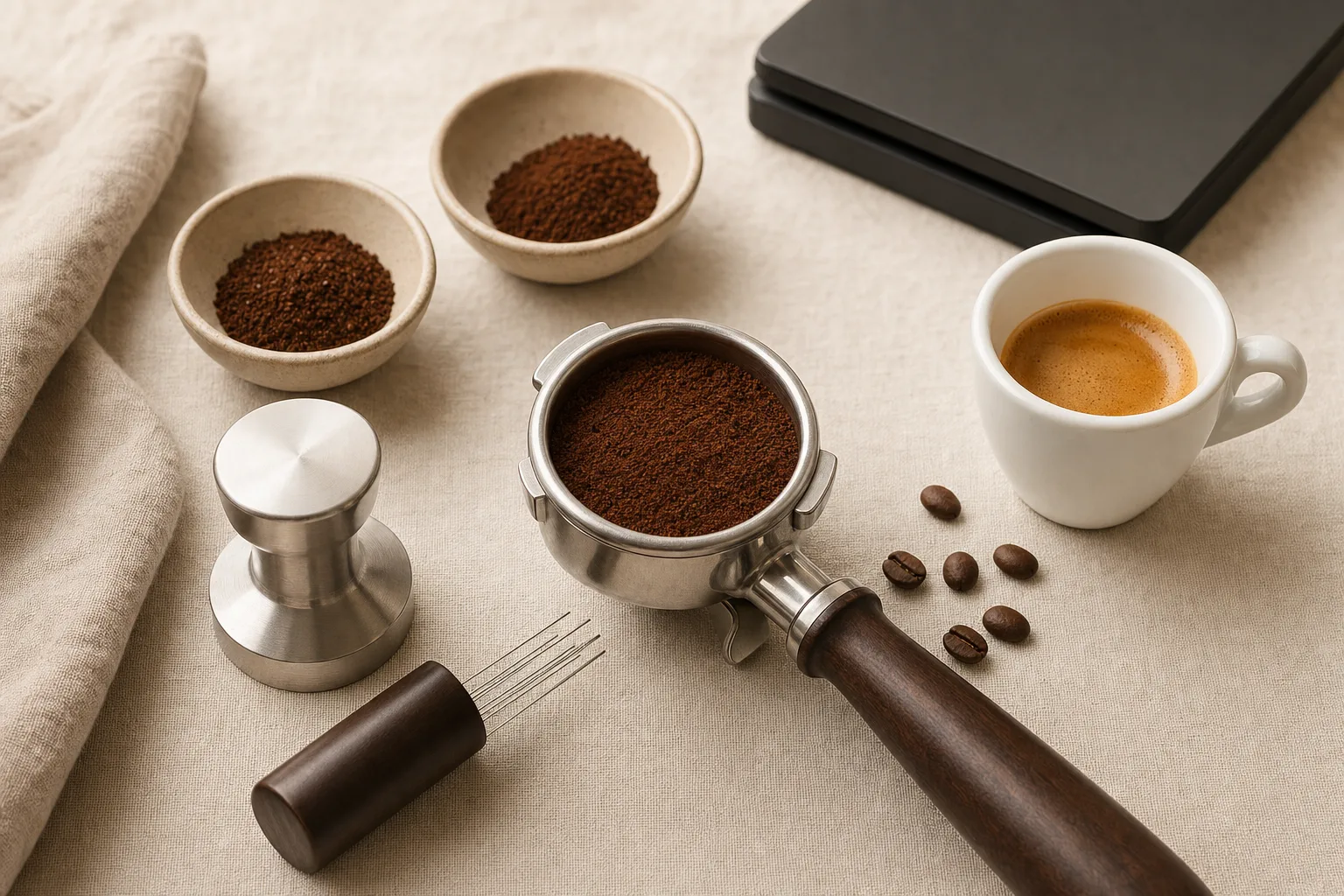
A non-pressurized portafilter needs a fine espresso grind, roughly 150–250 microns: closer to powdered sugar than gritty sand. That is noticeably finer than the medium-fine grind a pressurized basket can tolerate. The Instacuppa grind-size guide and Coffee Roast Co. both place a single-wall espresso puck in that range.
Start fine, then use the shot as your map. If it runs quickly and tastes sharp, go finer. If it only drips and tastes harsh, move slightly coarser.
What tools do you need to dial in a non-pressurized portafilter?
A non-pressurized basket is standard on semi-automatic machines, which is the class this whole routine assumes. You need an espresso-capable burr grinder, a scale that reads 0.1g, and a tamper that fits your basket. A WDT stirrer and leveler are optional, but they help reduce clumps and create a more even puck.
- Espresso burr grinder: Baratza Encore ESP. A real espresso burr grinder is non-negotiable for a non-pressurized basket—see our best burr grinder for espresso picks.
- 0.1g scale: Maestri House S2, for weighing coffee in and espresso out. See our coffee scale picks for espresso for more options.
- Even-puck helpers: Normcore V3 WDT tool to break clumps, Gravity leveler to smooth the bed, and V4 tamper for repeatable pressure.
Our Top Picks


How do you dial in the grind for a non-pressurized portafilter?
Hold the dose steady, pull an 18g-in/36g-out shot in about 25–30 seconds, taste it, then change only the grind. This 1:2 recipe is a useful baseline, not a rule; one small adjustment at a time lets you identify what improved or hurt the cup.
Step 1: Weigh 18g and keep it fixed
Put 18g of beans into the grinder and record the dose. Weighing matters because an extra gram can slow a shot just like a finer grind, making the result hard to interpret.
Step 2: Grind fine and prepare an even bed
Temperature stability decides how repeatable this becomes, which is why E61 group machines are the traditional answer for people dialing in single-wall baskets. Use a fine espresso setting, distribute the grounds, and tamp level. Consistency matters more than force: a level, even puck gives water fewer easy paths around the coffee.
Step 3: Pull toward 36g out in 25–30 seconds
Start the timer with the pump and stop around 36g in the cup. If you want to control pressure across the shot rather than just time it, that is the point where people move up to a prosumer machine with a real pressure profile. A 1:2 ratio—twice as much espresso out as dry coffee in—is a practical place to begin. Keep the water setting and tamp unchanged for the next pull.
Step 4: Taste, then move one grind step
Too fast and sour? Go finer. Slow, bitter, and heavy? Go coarser. Make one click or a small adjustment, re-pull, and compare the cups before changing anything else.
Why is the grind so different from a pressurized basket?
A pressurized, or dual-wall, basket creates resistance at its restricted outlet, so it can accommodate coarser or less uniform grounds. A non-pressurized single-wall basket has many holes and relies on an even, fine coffee puck to provide the resistance for extraction.
Coffee Roast Co. explains the single-wall puck’s fine-grind requirement, while this Coffee Stack Exchange discussion of pressurised and non-pressurised portafilters explains how the dual-wall outlet provides that resistance. Traditional espresso targets about 9 bars; with a single-wall basket, the grounds must contribute the needed resistance.
Pick the basket that matches your grinder
The basket decides how much forgiveness you get
Pressurized basket
- Works with coarser grounds
- More forgiving of pre-ground coffee
Non-pressurized basket
- Needs a fine, even grind
- Gives you more control over taste
Outcome
A single-wall basket offers more control, provided the grinder can make small, repeatable adjustments.
What grind setting should you start with on your grinder?
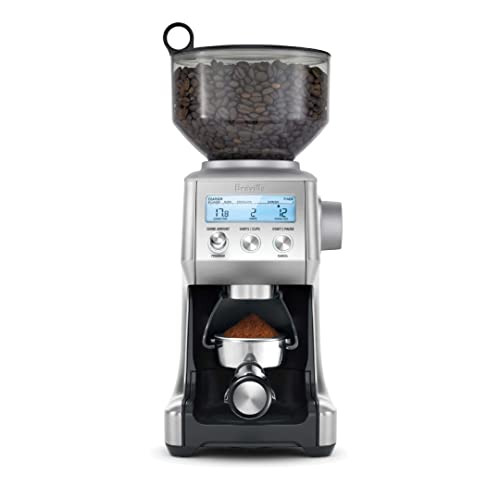
On a Baratza Encore ESP, begin in its 1–20 espresso range; setting 15 is a sensible baseline, then move one step at a time. On a Breville Smart Grinder Pro, begin in the espresso range of the dial. These are starting points, because coffee, dose, basket, and machine all shift the useful setting.
Fresh, lighter-roasted coffee often needs a finer setting than a darker roast. Once a shot tastes balanced at your chosen dose and ratio, record the grinder setting and date; coffee changes as it ages, so expect to adjust it later.
What mistakes make non-pressurized espresso hard to dial in?
The usual problems are changing several variables at once, judging only by crema, and relying on stale pre-ground coffee. Keep the recipe fixed while you establish the grind; then your timing and taste notes can actually point to a useful change.
- Changing dose and grind together — keep the dose fixed until the shot time and taste make sense.
- Copying a dial number — another grinder’s “15” means nothing on yours; use the scale, timer, and taste.
- Ignoring clumps or a crooked tamp — uneven grounds can give water a fast route through the puck.
How do you fix sour or bitter espresso from a non-pressurized basket?
A sour, fast, thin shot is usually under-extracted, so grind finer; a bitter, harsh shot that drips slowly is usually over-extracted, so grind coarser or shorten the shot. James Hoffmann’s espresso dial-in video uses this taste-and-time framework: make one change, then taste again.
Diagnose the cup
Match what you taste and see to the next move
Sour / fast / thin
- Under-extracted
- Grind finer
Bitter / harsh / slow
- Over-extracted
- Grind coarser or shorten shot
Watery
- Grind finer
- Or raise dose slightly after checking basket size
Outcome
Make one targeted change, pull again, and judge the result by taste as well as time.
Frequently asked questions
Can I use pre-ground coffee in a non-pressurized portafilter?
You can, but it is rarely fine or fresh enough for an easy dial-in. Pre-ground coffee often runs too fast through a single-wall basket. Fresh coffee from an espresso-capable burr grinder gives you the small adjustments needed to reach a useful time range.
How fine should espresso feel between my fingers?
Think powdered sugar or very fine table salt, not beach sand. Texture is only a starting clue because grinders produce different particle distributions. Let the scale, shot time, and taste make the final call rather than trying to match texture perfectly.
Why does my non-pressurized basket run fast even on a fine setting?
A fast shot can mean the grind is still too coarse, but it can also mean too little coffee or an uneven bed of grounds. Keep your dose fixed, stir out obvious clumps, tamp level, then make the grinder one step finer.
Do I need exactly 18 grams for a double espresso?
No. Eighteen grams is a useful starting dose for many double baskets, not a rule. Check the basket’s stated capacity if you have it, then keep that dose fixed while you establish the grind setting that works for your coffee.
Should I change dose or grind size first?
Change grind size first. It is the cleanest way to slow down or speed up a shot without moving several variables at once. Change the dose only when your basket is plainly underfilled or overfilled, then resume dialing in.