 Coffee Gear Picks
How to Backflush an Espresso Machine (2026 Step-by-Step)
Backflushing is the maintenance job that clears old coffee oils and fine grounds from a compatible espresso machine's group head and valve. If you're shopping for your first machine, our best espresso machine under $200 picks include models worth learning this simple routine on.
Espresso Machine Backflush Routine
A quick clean for the parts that stale coffee oils reach first
Step 1 Prepare
- Check for a 3-way valve
- Fit the right blind filter
Step 2 Clean
- Add 3 g cleaner
- Run 5-second pump cycles
Step 3 Rinse
- Empty the blind filter
- Run 3-4 water cycles
Step 4 Finish
- Wipe shower screen
- Purge and pull a fresh shot
Result
A cleaner group head, clearer-tasting shots, and fewer stale, oily notes in the cup
How do you backflush an espresso machine?
On a machine with a three-way valve, lock in a blind filter, run a few short pump cycles with espresso cleaner, then rinse with clean water. Use a clear-water backflush after each session and a detergent backflush about once a week to stop oils building up.
Not every machine can do this at all, and whether yours can is largely a design decision made before you bought it, and one of the things worth checking against machines rated as easy to clean. A three-way valve releases pressure into the drip tray when you stop a shot. That release is a useful clue, but the manual is the final word. If your machine lacks that valve or its maker says not to backflush, use the specified cleaning method instead.
What do you need to backflush an espresso machine?
You need a blind filter that fits your portafilter, espresso cleaner, water, and a clean cloth for the final wipe. Our cleaner picks cover the tablet and powder formats different manuals specify. Many prosumer machines use 58 mm baskets, while compact home machines often need 54 mm, so check your manual before ordering an insert.
- Urnex Cafiza tablets: 100 tablets, price band $$, for weekly detergent cleaning of group heads, valves, and lines.
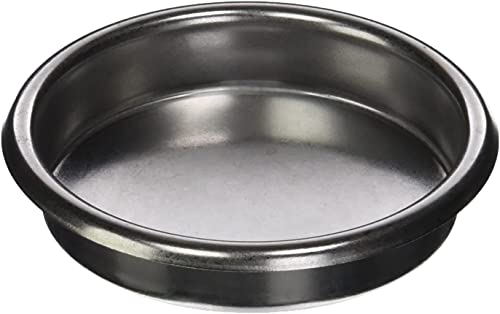
- Espresso Supply 58 mm Backflush Insert: price band $, a metal blind insert for standard 58 mm portafilters.
- Clean water and a cloth: water rinses detergent away; the cloth wipes the shower screen.
Our Top Picks
What are the steps for a detergent backflush?
Prepare the blind filter, pulse cleaner through the group, then rinse until the water runs clear. Short cycles push cleaner into the valve and let it drain back out, rather than leaving foam sitting in one spot.
Step 1: Confirm the machine can be backflushed
Check the manual for a three-way valve and an approved backflush procedure. A quick release into the drip tray after stopping a shot supports that diagnosis, but do not rely on that sign alone. If backflushing is not approved, stop and use the maker's cleaning instructions.
Step 2: Fit the blind filter and add cleaner
Remove the normal basket and fit the blind basket or insert. Add about 3 g of Cafiza powder, or the tablet amount approved by your machine maker, then lock the portafilter in firmly. The sealed basket directs the cleaner through the group and valve instead of into a cup.
Step 3: Pulse the pump five times
Run the pump for about five seconds, stop for five seconds, and repeat five times. The pause lets the three-way valve release cleaner and loosened oils into the drip tray.
Step 4: Empty, rinse, and repeat with water
Remove the portafilter carefully, rinse the blind filter, and lock it back in empty. Run three or four more short cycles with clean water. Wipe the shower screen and run water through the bare group for a few seconds before brewing.
Which backflushing mistakes make espresso taste worse?
Rinse thoroughly and follow the machine's stated procedure. The common errors are simple, but detergent or unnecessary pressure can create problems that a cleaner cannot solve.
- Skipping the water rinse: detergent residue can make the next espresso taste soapy.
- Backflushing a machine without a three-way valve: use its manufacturer-approved cleaning routine instead.
- Using too much cleaner: it creates excess foam and takes longer to rinse out.
- Leaving the dirty blind filter locked in: rinse it after the detergent cycles so residue is not returned to the group.
What should you do when the machine seems off after backflushing?
Match the fix to the symptom before adding more cleaner. Most issues after a backflush are leftover detergent, an incorrectly fitted blind filter, or a gasket that was already nearing replacement.
The first shot tastes soapy or sour
Run two more clear-water cycles, purge the group head, and discard the first shot. If the shot is clean but no longer matches your usual yield, dialing your dose back in with a precision scale after a deep clean keeps every shot consistent.
No pump pressure builds with the blind filter installed
Make sure the blind basket or insert is the correct diameter and seated properly. A blind filter should block the brew path, but do not force the portafilter tighter than its normal lock position.
Water leaks around the portafilter
Inspect the group gasket while the portafilter is out. A flattened, cracked, or coffee-caked gasket can leak under backflush pressure and may need cleaning or replacement.
Shots run differently once the group is clean
Return to your normal dose and yield, then adjust one variable at a time. Matching a dedicated espresso grinder like one of our best burr grinder for espresso picks helps keep your setup dialed in after a clean, especially when you need to make a small grind adjustment.

Frequently asked questions
What is a blind or backflush filter basket?
A blind filter is a basket with no holes, so water cannot pass through it like it does through coffee. It sends pressure back through the group head and three-way valve, carrying cleaner and loosened coffee oils out through the drain.
How often should a home espresso machine be backflushed?
Run a clear-water backflush after each espresso session if your machine has a three-way valve. Use espresso cleaner about weekly for regular home use, or sooner if you notice oily smells around the group head.
Can you backflush without espresso cleaner?
Yes, a clear-water backflush is useful for daily cleanup. It does not replace detergent. Water moves loose grounds, while cleaner breaks down the sticky coffee oils that can make a fresh shot taste stale.
What is the difference between backflushing and descaling?
Backflushing cleans coffee oils from the group head, valve, and drain path. Descaling removes mineral buildup from the water system and boiler. They solve different problems, so follow your machine maker’s schedule for both.
How much cleaner should I use per backflush?
Use about 3 g of powder, roughly half a teaspoon, or half to one cleaning tablet according to the product and your manual. More cleaner does not clean better. It makes extra foam and takes longer to rinse away.
Does backflushing descale or clean the boiler?
No. A backflush works around the group head and three-way valve, not the boiler’s mineral scale. Use the descaling method and solution approved by your machine’s manufacturer when your water and manual call for it.