 Coffee Gear Picks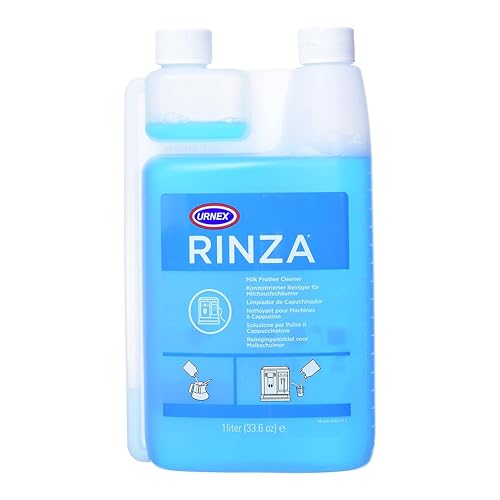
How to Clean an Electric Milk Frother (2026)
Clean an electric milk frother with a one-minute rinse after every drink, a soapy wash each week, and descaling when mineral scale appears. That little rhythm takes roughly 20 minutes a week and keeps your foam from smelling like an old saucepan.
A milk-frother cleaning rhythm that sticks
Four small moves for a clean jug, fresher foam, and no baked-on milk smell
Step 1 Rinse
- Empty milk right away
- Rinse jug and whisk
- Wipe the base
Step 2 Wash
- Use warm soapy water
- Brush lid crevices
- Air-dry parts
Step 3 Descale
- Mix descaler
- Run a warm cycle
- Rinse twice
Step 4 Reset
- Check the whisk
- Reassemble dry
Result
Sweet-smelling foam instead of a sour, burnt-milk surprise in your next latte.
How do you clean an electric milk frother? (Quick answer)
Rinse the jug, lid, and whisk right after each use; hand-wash them in warm soapy water weekly; and descale a heated jug according to its manual or when white scale appears. Never dunk the electrical base. KitchenAid’s cleaning guidance makes the same removable-parts-wet, base-dry split.
An electric frother is the easy budget route to soft microfoam at home. If you are ready to froth straight from the machine instead, our best espresso machines under $200 roundup shows the upgrades that actually pull richer foam.
What will you need to clean a milk frother?
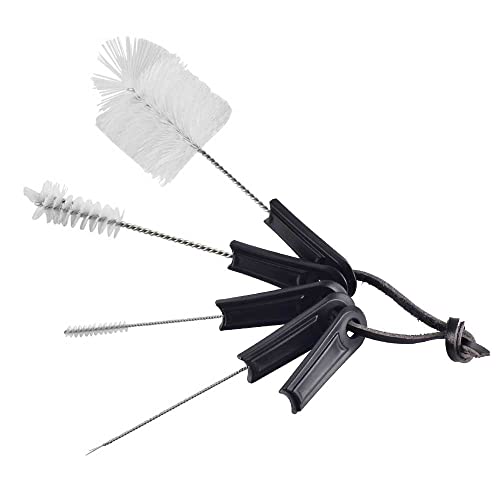
A separate jug is one more thing to wash, which is the trade-off against a machine with the frother built in, which moves the milk work onto the machine's own cleaning cycle. You need warm water, a drop of mild dish soap, a microfiber cloth, and one soft brush that fits the jug’s bottom corner. Add milk cleaner for the tan ring that will not budge and descaler for chalky white scale. Skip scouring pads—they can rough up a nonstick coating.
- For daily care: warm water and a clean cloth.
- For the weekly wash: mild soap and a small soft brush.
- For baked-on residue: a milk-system cleaner.
- For white mineral crust: a compatible descaler.
Pairing a standalone frother with an espresso machine that ships without milk hardware keeps the two cleaning jobs apart, which is often why people choose that split in the first place. For a simple daily latte setup, many households pair a frother with a drip machine. Our best drip coffee makers under $100 guide can help you choose that other counter-space regular.
Our Top Picks



Our Top Picks
Step-by-step: how do you clean an electric milk frother in 6 steps?
Unplug it, deal with milk before it dries, then wash only the parts meant to get wet. The key split is simple: a handheld whisk can briefly spin in a mug of soapy water, while a jug frother needs its jug, lid, and whisk hand-washed separately.
1. Unplug, empty, and separate
Unplug the frother and pour out leftover milk. Remove the lid and magnetic whisk if your model has them. Real Homes’ cleaning guide likewise advises unplugging and keeping the electrical base out of water.
2. Rinse before the milk sets
Rinse the jug and loose parts with warm water straight away. Fresh milk film slides off easily; dried film turns into a stubborn tan shell. Wipe the base with a damp, well-squeezed cloth only.
3. Hand-wash the jug, lid, and whisk
Wash removable pieces with warm water and a small amount of soap. Use a soft brush around the lid vent, the whisk socket, and the bottom edge where milk likes to hide. Rinse until the water no longer feels slippery.
4. Use the right routine for your frother type
For a handheld wand, run the whisk for a few seconds in a mug of warm soapy water, then run it again in clean water. wikiHow’s frother guide describes this quick self-clean method. For a heated jug, do not run the empty jug on its base; wash its removable parts by hand instead.
5. Lift stubborn milk film without scratching
Soak the jug with warm water and milk cleaner as its label directs, then brush gently. The goal is to loosen protein, not sand the surface. If the ring feels gritty or looks white, it is scale too—move on to descaling.
6. Dry completely and check the whisk
Air-dry the jug, lid, and whisk before reassembly. Dishwasher-safe parts and a jug with no tight bottom corner are what make this quick, and they are the same details that separate the easiest espresso machines to clean. Make sure the whisk spins freely and the magnetic post is clear. A whisk that is bent, missing, or clogged will give you thin bubbles instead of glossy foam.
Which milk-frother cleaning mistakes should you avoid?
A steam wand has the opposite problem: nothing to disassemble, but it has to be purged and wiped within seconds of use, which is worth weighing if you are choosing between a frother and a machine with a wand. The biggest mistake is treating every frother like a waterproof cup. Follow the manual for your exact model, but these habits cause most of the sticky messes and disappointing foam.
- Waiting until tomorrow — rinse right away, before milk protein hardens.
- Submerging the base — wipe it only; water and electrical contacts do not mix.
- Using a rough scrubber — a soft brush cleans seams without chewing up coatings.
- Forgetting the whisk socket — hidden milk there can make a clean jug smell sour.
- Assuming every small part is dishwasher-safe — hand-wash the whisk unless your manual specifically says otherwise.
- Letting old coffee gear build up too — fresh milk cannot rescue stale grounds; see our burr grinder cleaning guide for the other half of a cleaner latte.
How do you fix burnt milk, weak foam, and stuck films?
Match the symptom to the mess instead of throwing more soap at it. Burnt smells usually need milk cleaner and, when scale is visible, descaling; weak foam often points to a dirty or damaged whisk.
Burnt-milk smell
Cause: protein baked onto the jug floor or hiding under the whisk. Fix: soak with a dairy cleaner, brush the seam, descale if there is white crust, and air-dry before reassembly.
Weak, bubbly foam
Cause: a clogged, bent, or missing whisk. Fix: clean the whisk and socket, then replace the whisk if it cannot spin cleanly. A damaged whisk will not whip milk evenly.
White film or heating that seems sluggish
Cause: limescale—minerals left behind as water dries. Fix: descale with a product approved for your machine, then rinse twice. The longer it sits, the harder the crust is to remove.
How do you descale an electric milk frother, and why does it matter?
Descale a heated frother when you see white crust, or use the interval in its manual. Mix a manufacturer-approved descaler as directed; if the manual permits vinegar, use one part white vinegar to three or four parts water, run the permitted cleaning cycle, then rinse twice.
As a general benchmark, De’Longhi recommends roughly three-month descaling intervals for its coffee machines, though your frother’s own instructions take priority. Scale forms a chalky layer on the heated surface and can be tougher to remove if ignored. If you would rather not use vinegar, EcoDecalk is a convenient purpose-made option.

Frequently asked questions
How often should you clean an electric milk frother?
Rinse the jug and whisk after every use, then give the removable parts a proper warm, soapy wash weekly. Use the descaling interval in your own manual; roughly every three months is a sensible starting point for a heated jug, while hard water or visible scale calls for earlier attention.
What's the best way to clean an electric milk frother?
Use a rinse-wash-descale rhythm: rinse immediately, hand-wash the removable parts weekly, and descale when your manual calls for it or scale appears. Keep the electrical base dry, and dry every part before putting it back together so trapped moisture does not create a stale smell.
Can you put a milk frother whisk in the dishwasher?
Check the manual for your model. Many small magnetic whisks are best hand-washed because they are easy to lose or damage in a dishwasher; KitchenAid, for example, directs owners to rinse its removable whisk with clean water. A few seconds in warm soapy water is usually all it needs.
Does white vinegar work to descale an electric milk frother?
It can loosen mineral scale, but only use it if your frother manual permits vinegar. A common mix is one part white vinegar to three or four parts water, followed by two fresh-water rinses. A purpose-made descaler is the safer choice when the manufacturer specifies one.
Why does my electric milk frother smell like burnt milk?
The smell usually comes from milk protein baked onto the jug floor or tucked under the whisk. Use a milk-system cleaner as directed, brush the seams, descale if you see white crust, and let everything air-dry fully. Do not froth fresh milk over the residue.
Can you submerge an electric milk frother base in water?
Never submerge a powered base. Only the removable jug, whisk, and lid belong in water when the manual allows it. Unplug first, then wipe the base with a well-squeezed cloth; water around electrical contacts is not a shortcut worth taking.