 Coffee Gear Picks
How to Find the Perfect AeroPress Grind (2026)
The perfect AeroPress grind is medium-fine, close to table salt, then nudged one click at a time until the cup tastes sweet instead of sharp or harsh. Keep your dose and brew time steady, and the grinder stops feeling like a mystery dial.
Top pick: the Baratza Encore, its 40 counted grind settings make dialing in repeatable, and it is a sensible all-round electric grinder rather than a one-recipe toy.
- Price band:
- $$
- Settings:
- 40
- Burrs:
- 40 mm conical steel
- Best for:
- Click-based dialing on an all-round electric grinder
Dial In Your AeroPress Grind
A simple, repeatable path from guesswork to a sweet, balanced cup
Step 1 Start medium-fine
- Aim for table-salt texture
- Choose one starting setting
Step 2 Measure your dose
- Weigh 14–16 g coffee
- Keep the dose unchanged
Step 3 Brew for 1:30
- Add hot water
- Stir and steep
Step 4 Taste the cup
- Look for sweetness
- Notice sour or bitter edges
Step 5 Move one click
- Finer for sour coffee
- Coarser for bitter coffee
Step 6 Lock it in
- Write down the setting
- Repeat with the same recipe
Result
A repeatable AeroPress setting that tastes sweet, clean, and properly brewed
What is the best AeroPress grind?
Use a medium-fine grind that feels like table salt for a standard AeroPress brew, then adjust one click at a time. AeroPress itself calls medium-fine the normal starting point, while a shorter, espresso-style recipe can need a finer grind. AeroPress explains the starting point here.
A number on a grinder is not a universal language. Start around 14 to 16 on a Baratza Encore, a range listed by Coffee Chronicler’s grinder chart, but trust your cup over the number.
What do you need to dial in an AeroPress grind?
You need an AeroPress, fresh beans, a burr grinder, a 0.1 g scale, kettle, and timer. A burr grinder cuts beans into more even pieces than a blade grinder, so your coffee is less likely to taste sour and bitter in the same sip.
- AeroPress and paper filter: use the same setup for each attempt.
- Burr grinder: counted clicks make small changes easy to repeat.
- Scale and timer: weigh 14–16 g and keep the brew near 1:30.
- Fresh beans and kettle: old coffee can taste flat before the grind is even involved.
A counted grinder like the Encore is the easy electric route, and our shortlist of grinders that hit the AeroPress sweet spot covers more electric and manual choices. For a travel kit, the best manual grinders under $100 give you much better control than a blade grinder without filling your counter.
Our Top Picks
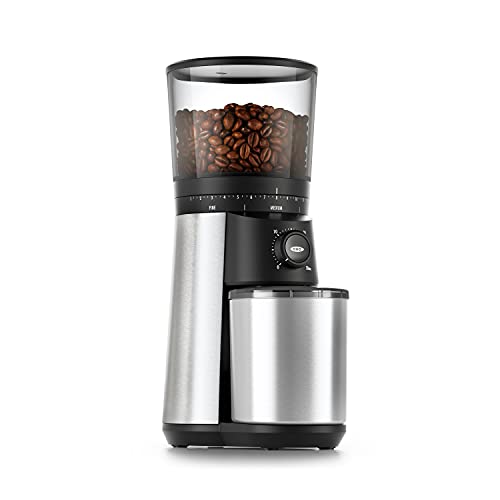


How do you dial in an AeroPress grind step by step?
Start medium-fine, brew one controlled cup, then let the taste tell you which single direction to move. Do not change the grind, dose, water, and steep time all at once. You will make a tasty accident, not a recipe you can repeat.
Step 1: Set a medium-fine starting point
Grind until the coffee feels finer than drip but not powdery, like table salt between your fingers. This gives water enough access to the coffee without turning the press into a wrestling match. AeroPress recommends medium-fine for its standard method.
Step 2: Weigh 14–16 g of coffee
Pick 15 g if you want one clean baseline, then use that same dose for every adjustment. A scale matters because a rounded scoop can quietly add or remove several grams, which makes a grind change impossible to judge.
Step 3: Brew one simple baseline cup
Add hot water, stir, steep for about 1:30, then press gently. Baratza’s AeroPress brew guide notes that contact time is a recipe variable, which is why a grind setting only makes sense alongside a fixed recipe.
Step 4: Taste before you touch the grinder
Look for a rounded sweetness and a finish that does not scrape your tongue. Lemon-like sourness points finer. Dry, smoky bitterness or a stubborn press points coarser. Let the cup cool for a minute too, because very hot coffee hides details.
Step 5: Move one click, then brew again
Change only one click or a tiny step on a hand grinder. Bigger jumps skip right past the good spot, especially with a medium roast. Keep a note on your phone with the bean, setting, dose, and brew time.
Step 6: Lock in the setting for that bag
Once the cup is sweet and balanced, write down the winning number before you forget it. Electric grinders with numbered steps make this painless, and our top burr grinders under $200 are a good place to find that kind of repeatable control.
What mistakes throw an AeroPress grind off course?
The usual mistake is chasing a grind number instead of controlling the whole small recipe. Your grinder’s “15” is not another grinder’s “15,” and a dark roast may need a different spot from a dense light roast. Keep the dose and steep time fixed first.
- Changing everything: move only the grind, then taste again.
- Grinding too fine for a long steep: the cup can turn woody and bitter, and the press can become unnecessarily resistant.
- Using a blade grinder: dust plus large chunks can create a confused cup with sour and bitter flavors together.
How do you fix a bitter or sour AeroPress cup?
Fix sour AeroPress coffee by grinding finer one click. Fix bitter coffee by grinding coarser one click. These moves change extraction, which is simply how much flavor the water pulls from the grounds, without scrambling the rest of your recipe.
The coffee is sour, thin, or lemony
Grind finer and repeat. If the next cup is still sharp, hold the grind and steep 10 to 15 seconds longer. Counter Culture Coffee’s AeroPress guide is a helpful recipe reference when you want to check the rest of your method.
The coffee is bitter, dry, or hard to press
Grind coarser first. If it still tastes rough, shorten the steep a little. Do not force the plunger, either: resistance is a useful sign that the grind may be too fine for your recipe.
How does AeroPress grind compare to drip and espresso?
AeroPress sits between drip and espresso for most normal recipes: finer than the sandy texture used for many drip brews, much coarser than an espresso grind. That overlap is good news because the same capable burr set can cover AeroPress and pour-over without drama.
For a one-minute, concentrated recipe or a flow-control cap (one of our top AeroPress add-ons), shift finer and shorten the contact time. That is the edge case where portable hand grinders that reach espresso-fine settings make sense. For everyday AeroPress and filter brewing, see our pour-over grinder picks.

Frequently asked questions
What is the best grind size for AeroPress?
Start medium-fine, with grains that feel close to table salt. AeroPress says medium-fine is its standard starting point. From there, change one click at a time based on taste and brew time, not the number printed on somebody else’s grinder.
How fine should AeroPress coffee be ground?
For a normal one to two minute recipe, medium-fine is the sweet spot. Go a little finer for a short, concentrated recipe or a flow-control cap. Go a little coarser if pressing feels hard or your cup tastes dry and bitter.
Why does my AeroPress coffee taste bitter?
Bitterness often means the water pulled too much from the coffee. Grind one click coarser first, then keep the dose and steep time the same. If it is still harsh, shorten the steep slightly before changing anything else.
Why does my AeroPress coffee taste sour?
Sour coffee usually needs more extraction, meaning the water did not pull enough flavor from the grounds. Grind one click finer and repeat the same recipe. If it remains thin and lemony, add a little more steep time before changing anything else.
What Baratza Encore setting works for AeroPress?
Coffee Chronicler lists roughly 14 to 16 as a useful Encore starting neighborhood for AeroPress. Treat it as a first guess, not a finish line. Bean age, roast level, and your recipe can move the tasty setting several clicks either way.
Can I use pre-ground coffee in an AeroPress?
You can, but it makes dialing in much harder because the grind is fixed before you taste the cup. Buy a medium-fine bag if you must. Fresh beans and a burr grinder give you the small, repeatable adjustments that make AeroPress so forgiving.